
Electronics and semiconductors

Electronics and semiconductors

Graphene nanotubes for electronics and semiconductors: precise signal transmission and reliable ESD protection

Electrical conductivity is a critical factor in the electronics and semiconductor industries, directly influencing device performance, reliability, and miniaturization. As components continue to shrink and circuit density increases, even minor charge accumulation or signal loss can lead to failures, yield loss, or long-term reliability issues.


Graphene nanotubes play a key role in meeting these challenges by providing permanent electrical conductivity at ultralow loadings in various materials. Their stable 3D conductive networks enable precise signal transmission, effective ESD protection, and contamination-free performance, while preserving mechanical properties, color, and processability. As a result, graphene nanotubes support the development of smaller, faster, more reliable, and more versatile electronic and semiconductor technologies.

Graphene nanotubes—electrically conductive agent for added functionality

Graphene nanotubes create permanent, low resistance in materials, enhancing functionality through allowing precise signal transmission and preventing charge buildup to protect ESD-sensitive components and ensure stable, reliable processes.


Robust, conductive 3D nanotube networks, formed at ultralow concentrations, provide durable performance and contamination-free operation while also enabling the clean, vibrant aesthetics essential for consumer wearables and high-precision electronic devices.

Do you have questions or ideas for new applications of graphene nanotubes?

  • Wafer components

    Graphene nanotubes provide durable ESD protection, clean performance, and improved wear resistance for wafer carriers, spacers, and vacuum-process components. When integrated into plastic parts, nanotubes enable FOUP and CASE solutions with significantly extended service life. Nanotube-enhanced coatings ensure a contamination-free operating environment, making them especially suitable for EUV and DUV processing.

    Wafer components
  • Pressure-sensitive anti-static films

    This ultrathin, flexible, “smart,” pressure-sensitive adhesive film with graphene nanotubes is designed for touchscreen compatibility and electronic protection and can be used for electronics and wafer contact for positioning sensing. It delivers strong mechanical performance and excellent permanent piezoresistive response, adapting to different PSA technologies and wafer chuck designs.

    Pressure-sensitive anti-static films
  • Protective films

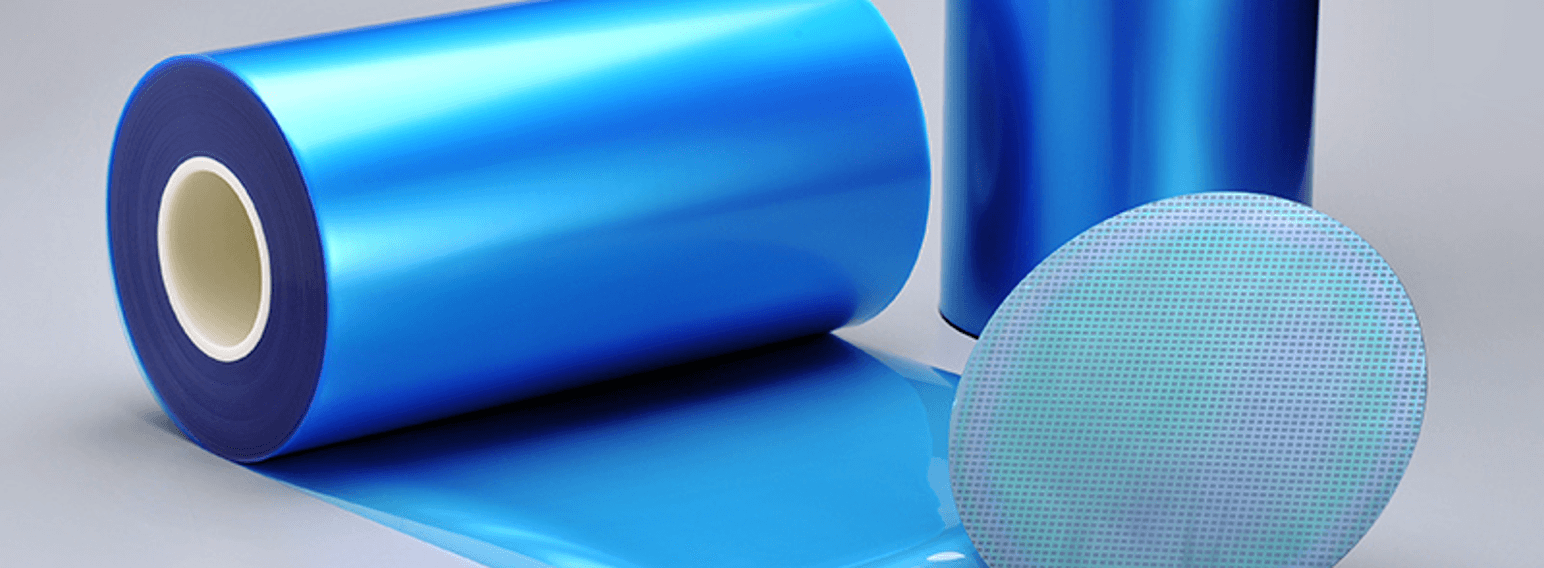
    Thin transparent or colored anti-static protective films containing graphene nanotubes show reliable electrical conductivity without altering processing conditions or rheological behavior. These nanotube-enhanced films on PET or PTFE substrates deliver durable ESD protection for semiconductor devices, electronic components, and other static-sensitive products throughout handling, transport, and storage.

    Protective films
  • Conveyor belts

    Anti-static properties introduced into conveyor belts through graphene nanotubes help prevent product damage, improve detection, and minimize the safety risks caused by static electricity. Embedded within conveyor belts, graphene nanotubes form a stable conductive network that safely dissipates surface charges without carbon migration, supporting clean, reliable material handling in ESD-sensitive manufacturing processes.

    Conveyor belts
  • Industrial coatings

    Powder coatings and gelcoats powered by graphene nanotubes show excellent reliability by providing stable, long-term anti-static protection without compromising mechanical strength or color quality. ESD-safe floors can meet ASTM F150, EN 61340-4-1, ANSI/ESD S7.1, and DIN EN 61340-4-5 (<100 V) with just 0.01 wt.% graphene nanotubes. Such enhanced coatings also deliver improved durability, easy maintenance, and attractive color options.

    Industrial coatings
  • Wearable sensors

    Graphene nanotubes enable highly conductive, flexible electrodes for monitoring human body impedances and daily activity that ensure stable signal transmission to electronic devices. Their ultralow loading provides reliable performance while maintaining high elasticity, excellent body adhesion, non-marking use, touch comfort, and compliance with the EU RoHS Directive.

    Wearable sensors
  • Industrial seals

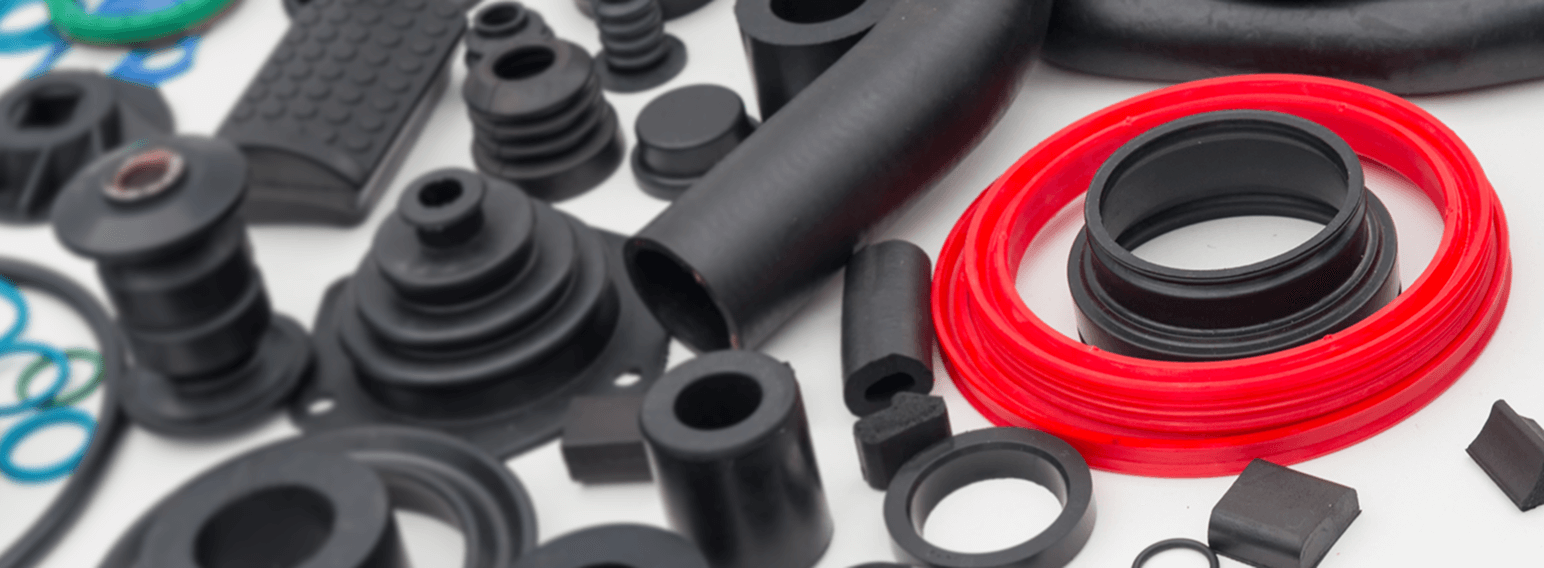
    Rubber components enhanced with graphene nanotubes provide permanent connection and ESD protection for static-sensitive semiconductor and electronics environments according to ATEX/IECEx requirements while maintaining their original chemical resistance. The stable conductive network remains effective even after heat or fuel aging, and the clean, zero-carbon-release surface helps preserve strict contamination control in critical manufacturing areas.

    Industrial seals

Welcome more joint R&D projects in this field