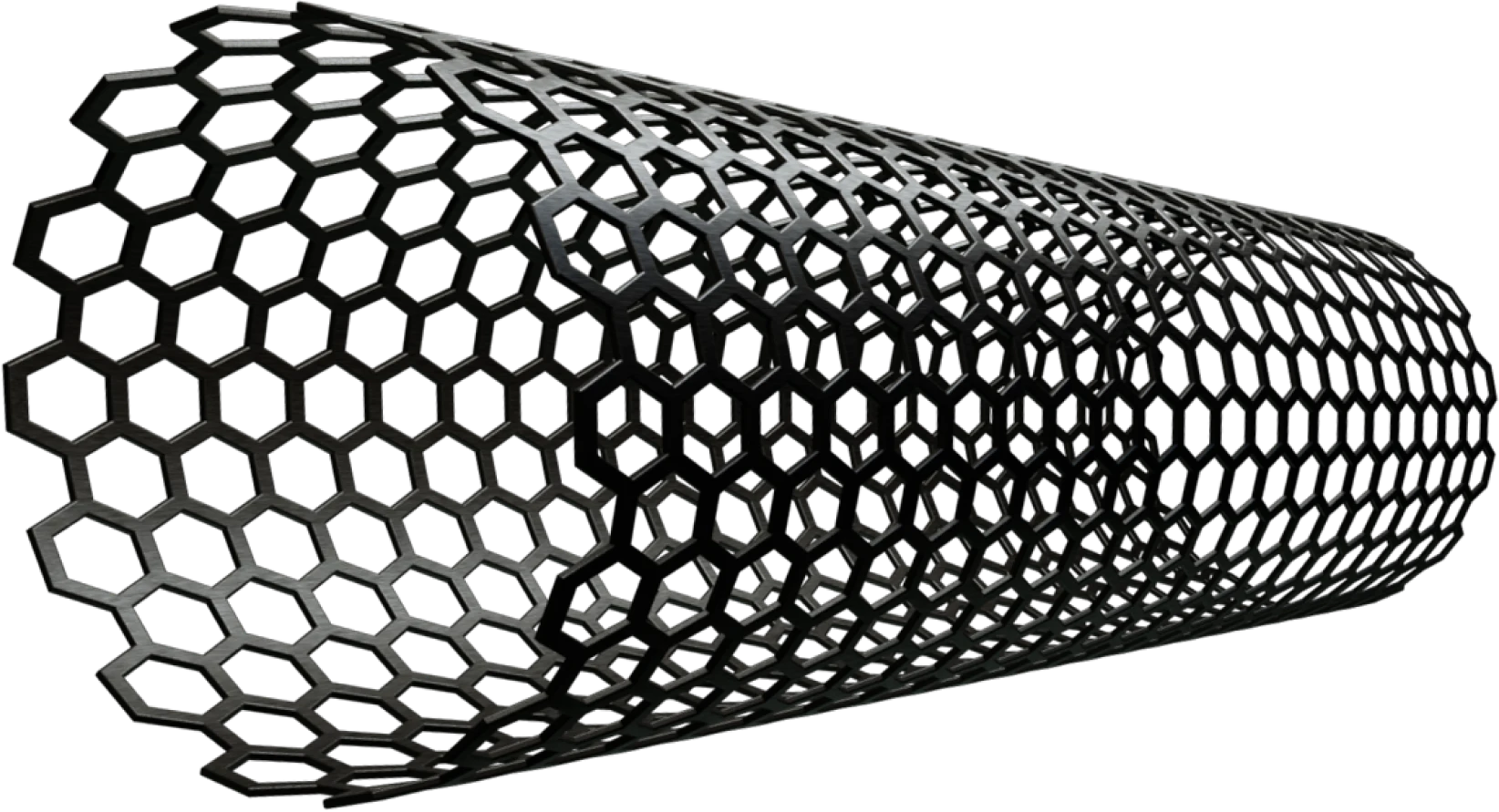
Innovative energy storage technologies, such as sodium-ion and solid-state batteries, as well as dry electrodes, often face challenges like low conductivity, poor contact, and material degradation. TUBALL™ single-walled carbon nanotubes effectively address these issues by creating a reliable and flexible 3D conductive network within the electrode. They compensate for material volume changes, reinforce interfaces, and provide high mechanical strength to electrodes even without solvents. Thanks to this, TUBALL™ overcomes existing limitations, enabling the development of safer, longer-lasting, and higher-capacity next-generation power cells.
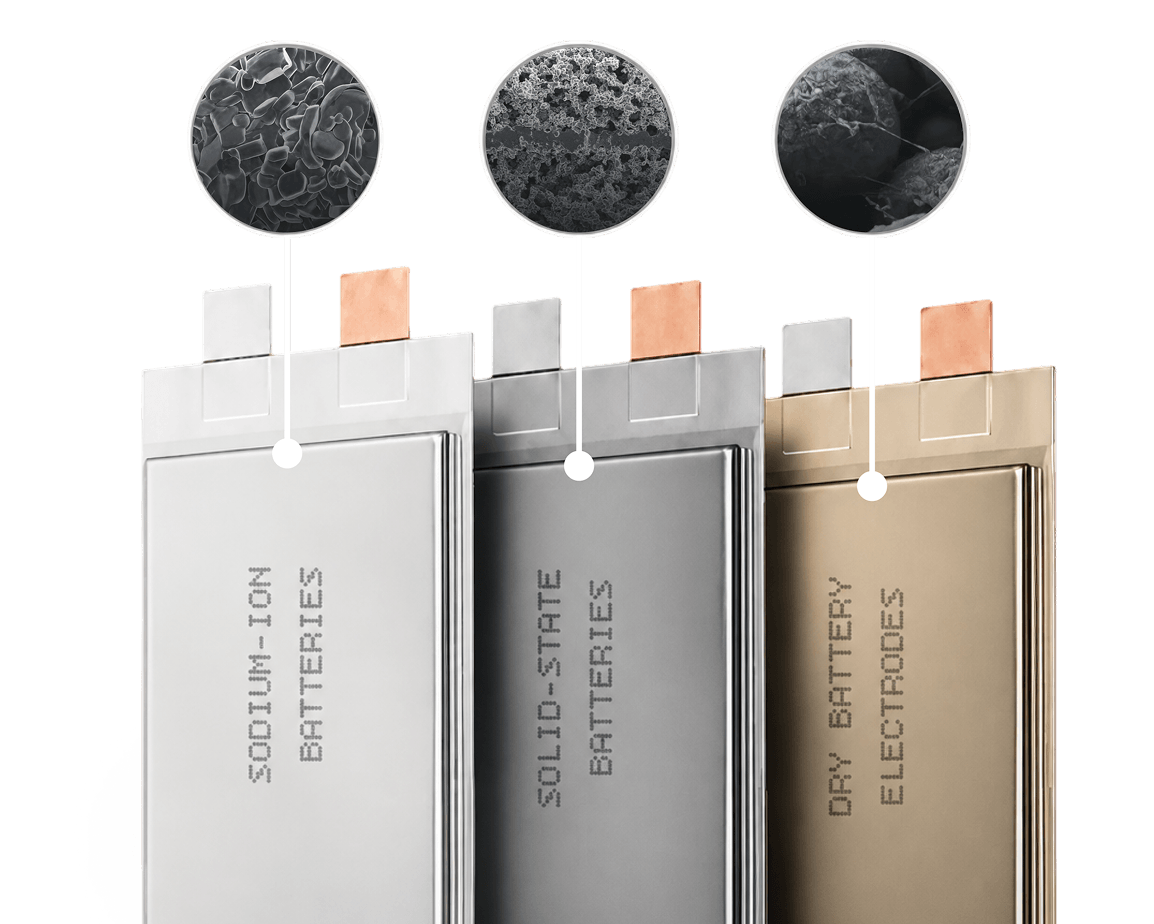

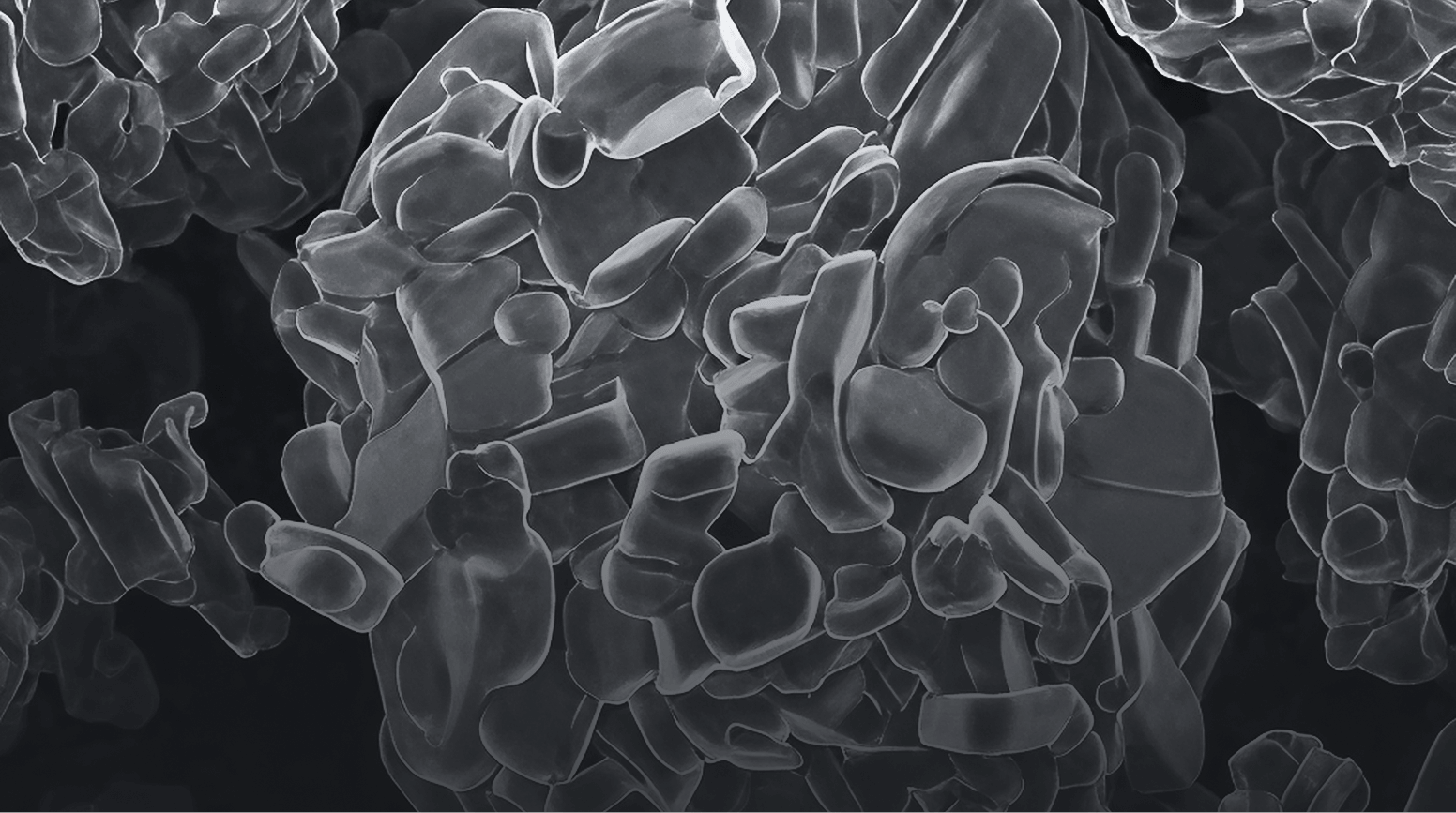
Sodium-ion batteries are limited by the low conductivity and capacity of the active materials. TUBALL™ single wall carbon nanotubes enable efficient charge transport and accommodate large volume changes, allowing the use of higher-capacity, expansion-prone materials and unlocking higher energy density.
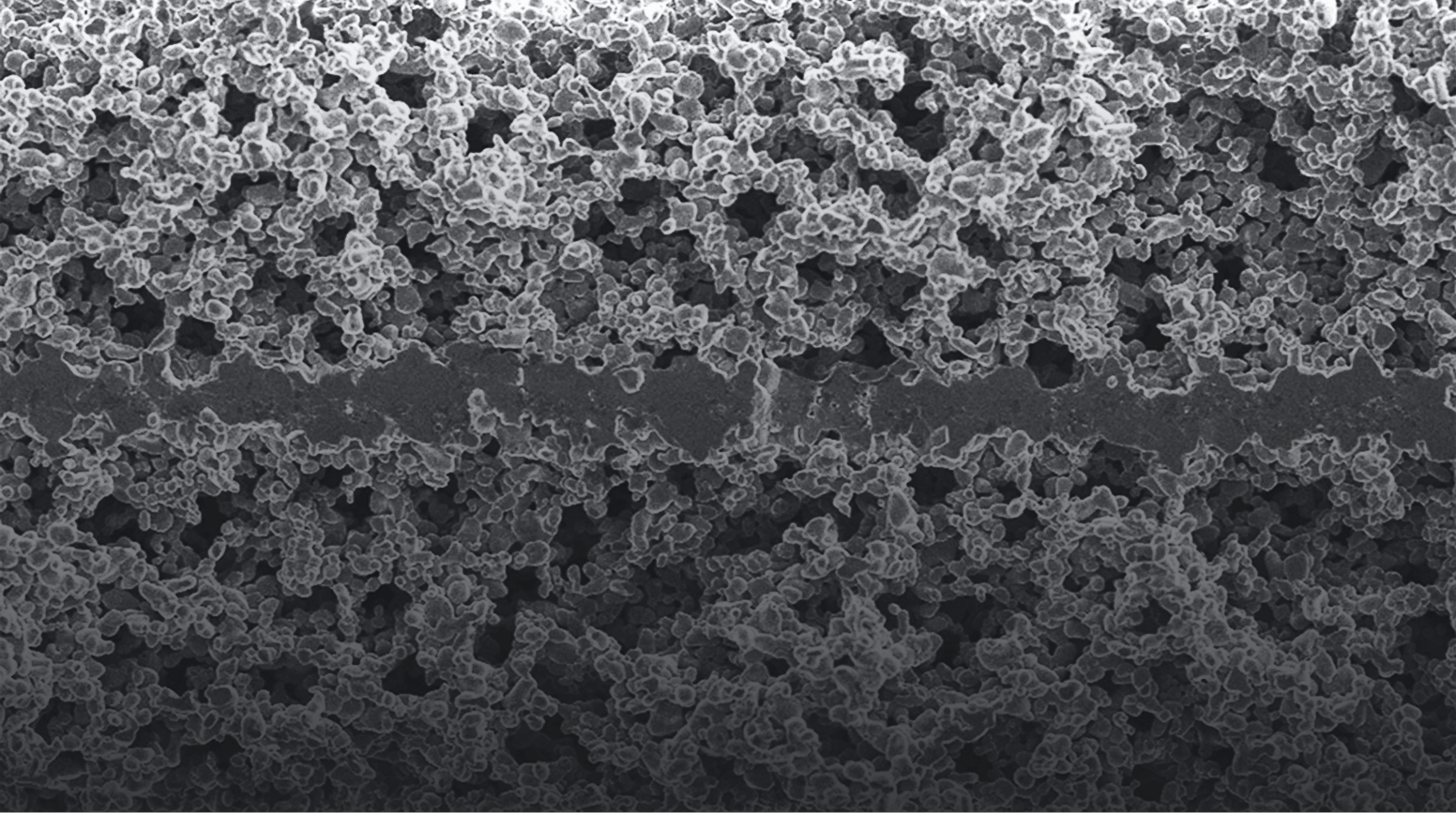
Solid-state batteries suffer from poor solid–solid contact and limited electron transport. TUBALL™ single wall carbon nanotubes preserve percolation at reduced carbon content, reinforce interfaces, and maintain electrical connectivity for safer, higher-performance cells.
Dry electrode manufacture requires conductivity and mechanical strength without liquid dispersion. TUBALL™ forms a 3D conductive network, delivering uniform conductivity, crack resistance, and high-density solvent-free electrodes.

TUBALL™ products for next-generation battery technologies are currently under development and are not yet commercially available. Existing TUBALL™ grades may be considered where their standard solvent systems are compatible with the application.
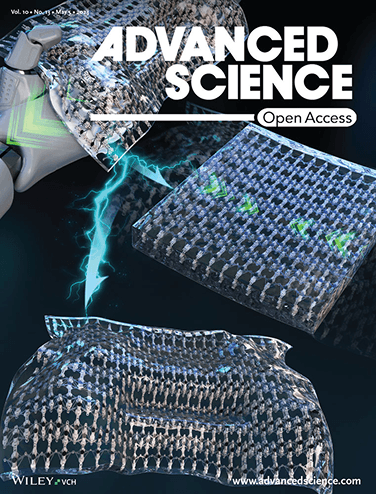
Mono-dispersed ultra-long SWCNTs create a continuous conductive and mechanical network that enables binder-free and self-supporting LFP cathodes with high-rate performance at extremely low additive loadings. The SWCNT framework delivers up to 130.2 mAh g⁻¹ at 5C and 90.7 mAh g⁻¹ at 20C, while providing exceptional mechanical strength, low charge-transfer resistance, and stable cycling without conventional binders or current collectors.
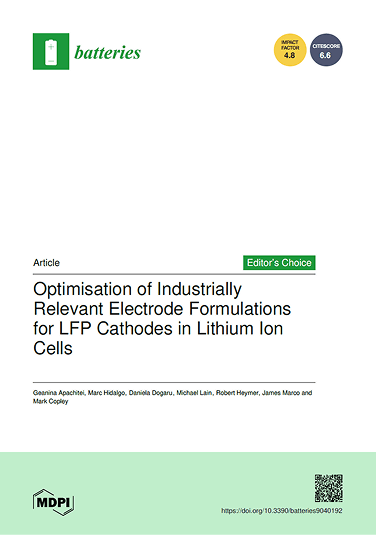
SWCNTs are identified as the most effective conductive additive for high-loading LFP electrodes, providing superior long-range electronic pathways and significantly improving high-rate performance compared with graphite alone. The study shows that increasing SWCNT content reduces electrode resistance and enables 5C:0.2C capacity ratios above 50% while maintaining industrially relevant active material loadings above 94 wt%.
SWCNTs enabled the successful scale-up of ultra-high active material LFP cathodes (97 wt%) from laboratory coin cells to multi-layer pouch cells by maintaining a robust conductive network at minimal carbon loading. The study demonstrates that SWCNT-based electrodes preserved low resistance, strong rate capability, and excellent cycling performance during a 30× scale-up in mixing and a 300× increase in cell capacity, outperforming model predictions
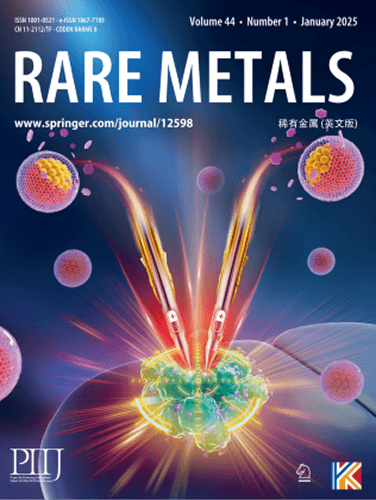
CNTs play a central role in constructing a three-dimensional conductive network with MXene, significantly enhancing electron transport and enabling ultra-fast charge/discharge performance in both LTO and LFP electrodes. The CNT/MXene framework delivers high-rate capacities of 146.2 mAh g⁻¹ for LTO and 104.6 mAh g⁻¹ for LFP at 20C, while the full LTO||LFP cell achieves 68.3 Wh kg⁻¹ and 1547.5 W kg⁻¹ at 10C.
SWCNTs form a highly aligned, tissue-like conductive scaffold that enables ultra-thick NMC cathodes with exceptionally high active material loading (99.5 wt%) while maintaining efficient electron transport and low-tortuosity ion pathways. The SWCNT-based network delivers a record areal capacity of 79.3 mAh cm⁻² at 511 mg cm⁻² loading—over 25× higher than conventional electrodes—demonstrating the potential of nanotubes for ultra-high-energy-density batteries.
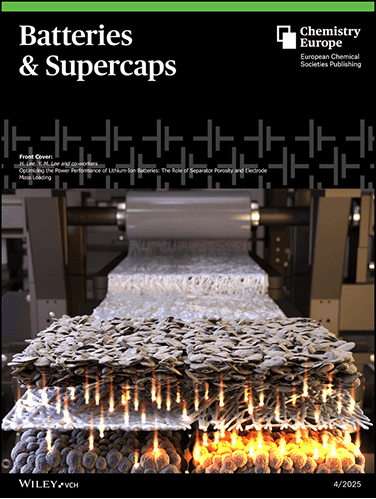
A small amount of SWCNTs (0.5 wt% dispersion) significantly improves the conductive network, electrode homogeneity, and cycling stability of high-loading LMFP cathodes, outperforming formulations based solely on carbon black or excessive CNT content. The study demonstrates that optimized SWCNT-enabled electrodes can be successfully scaled to pouch cells, delivering 110 mAh g⁻¹ at C/2 with 93% capacity retention after 100 cycles