Graphene nanotubes provide PE containers with permanent, humidity-independent anti-static protection for the safe storage and transportation of flammable chemicals and liquids. Combining lasting electrostatic safety with exceptional strength, light weight, and color versatility, they offer durable, customizable storage solutions built to perform over time. Nanotubes are effective at ultralow dosage and can be applied in polyethylene rotomolding using standard processing and equipment.
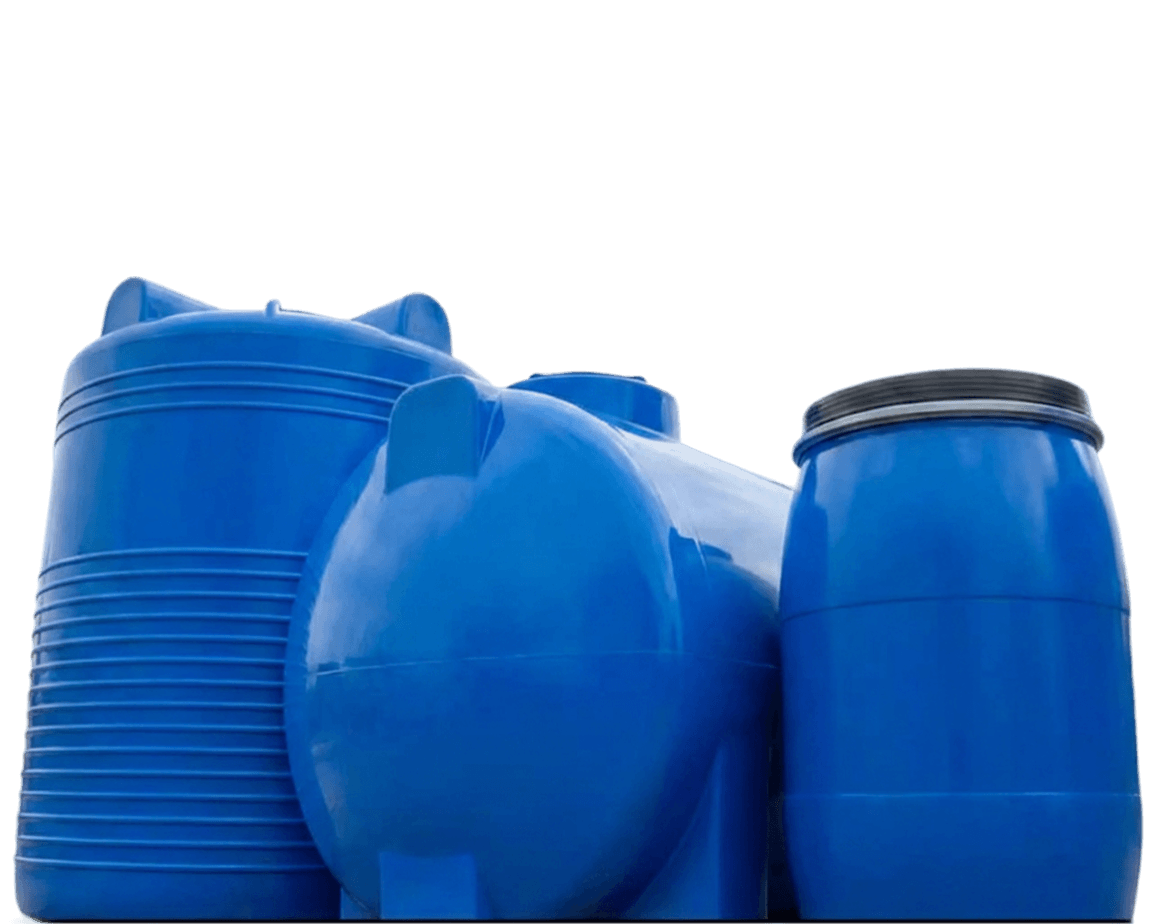





Anti-static rotomolded polyethylene (PE) tanks are designed for use in environments where flammable liquids, combustible dusts, or electrostatic-sensitive materials are present. By dissipating static electricity, they reduce the risk of ignition caused by electrostatic discharge during material filling and emptying, pneumatic conveying, cleaning, friction, and sliding contact. Manufactured through the rotomolding process, these tanks are seamless, lightweight, and highly resistant to chemicals, while offering flexibility in shape and size to meet specific industrial requirements. Because standard PE is electrically insulating and prone to static charge accumulation, electrically conductive agents are used to provide the plastic with anti-static performance.

TUBALL™ graphene nanotubes provide stable and uniform electrical conductivity in polyethylene rotomolded parts, eliminating insulative “hot spots” and preventing deterioration of anti-static performance over the service life cycle, independent of humidity.
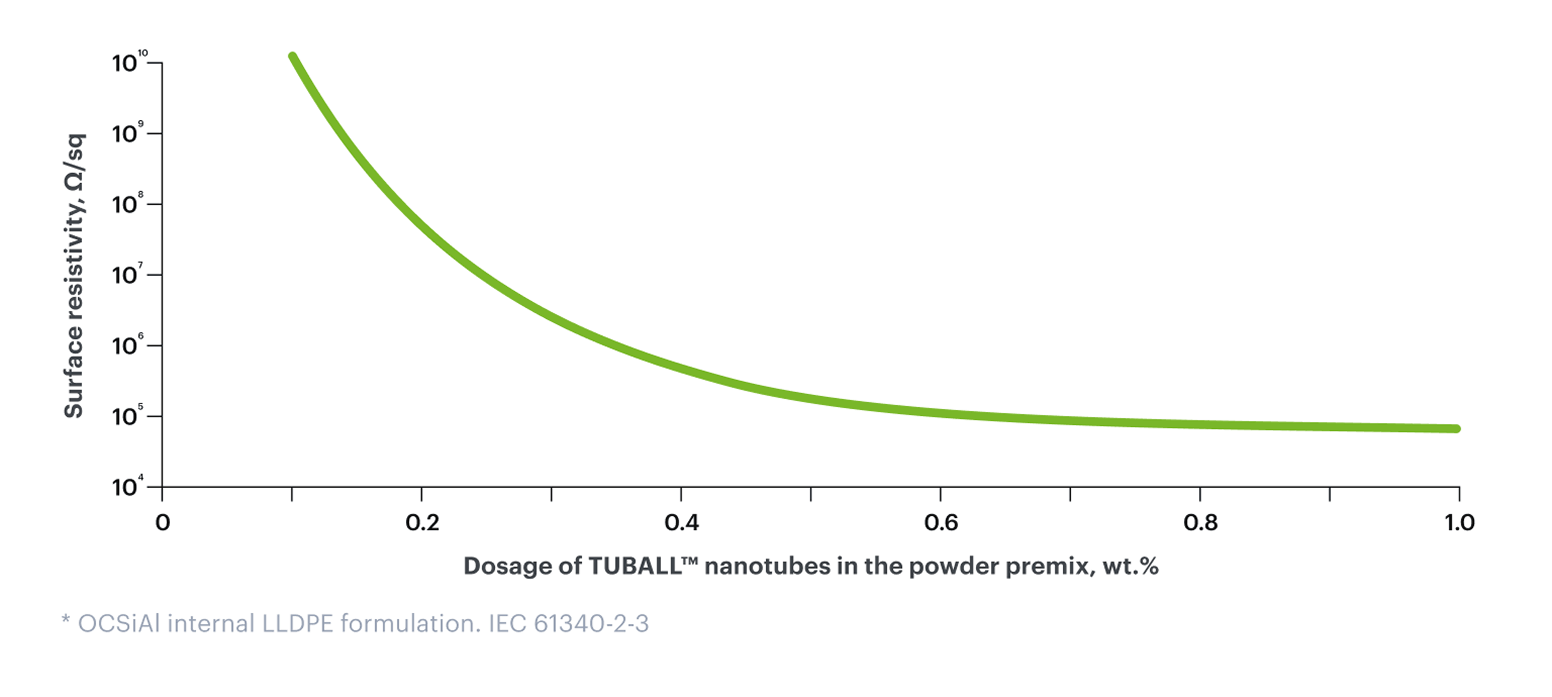

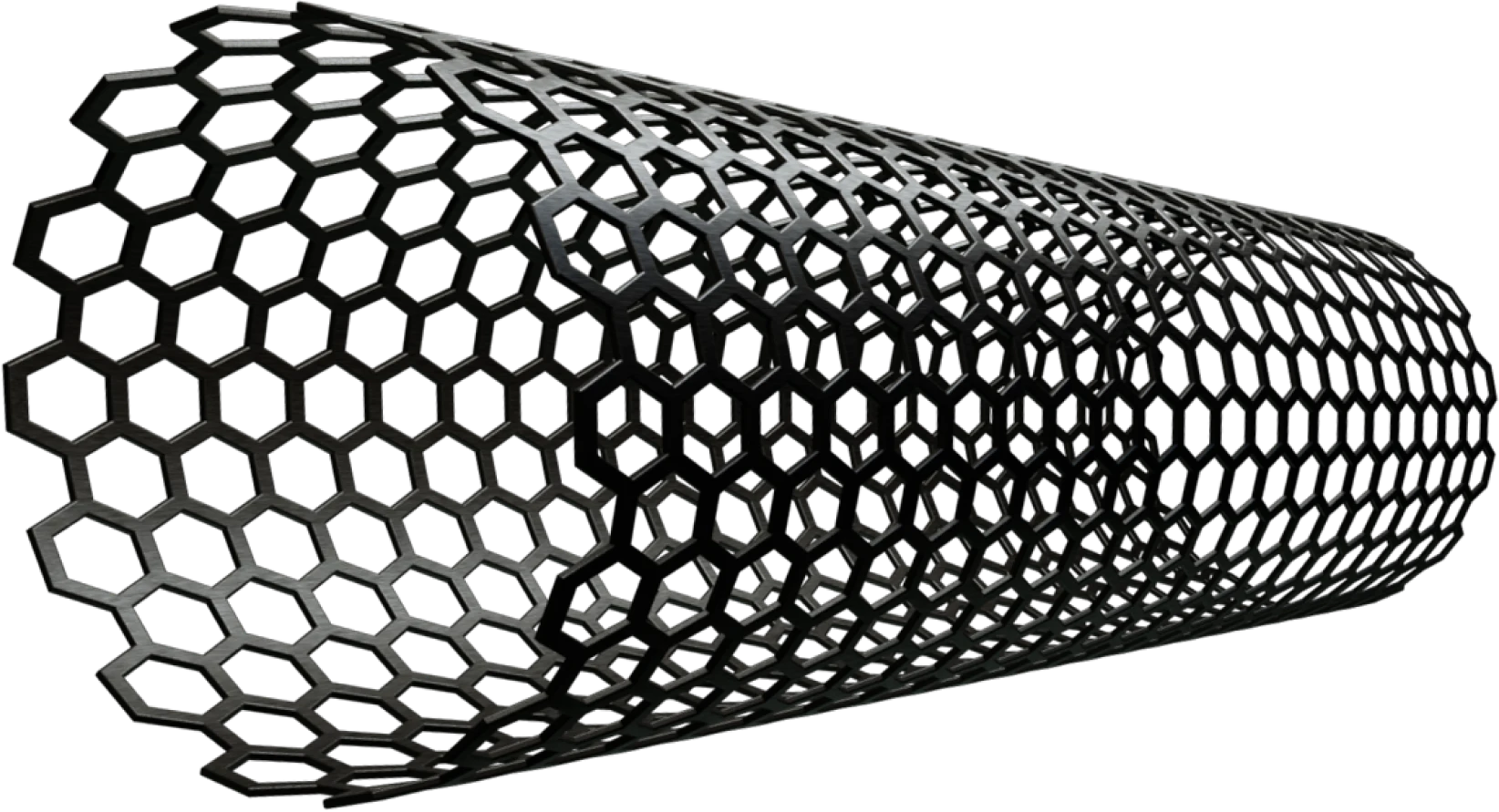
TUBALL™ graphene nanotubes unique morphology allows them to create a dense conductive network inside polyethylene rotomolded parts at ultralow loading rates, starting from just 0.01 wt.% of the total compound. This unprecedentedly low concentration has minimal impact on the mechanical properties or the original color of the material.
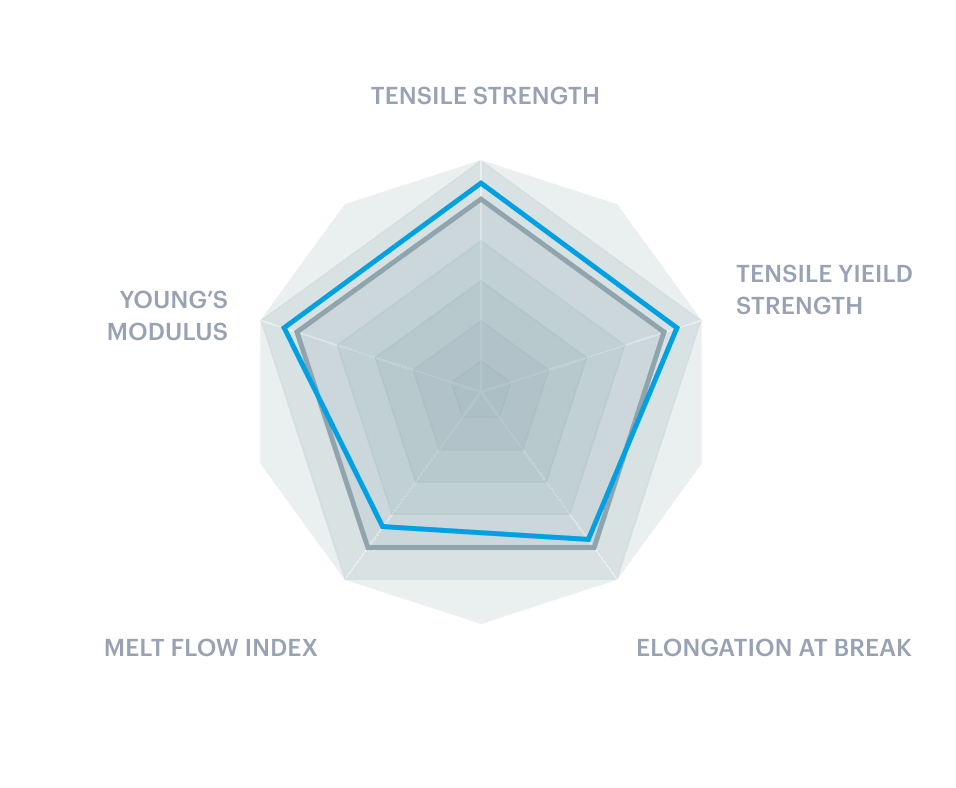
* This diagram provides average trends compared with other additives, based on OCSiAl data. Product performance may vary depending on product type and formulation.




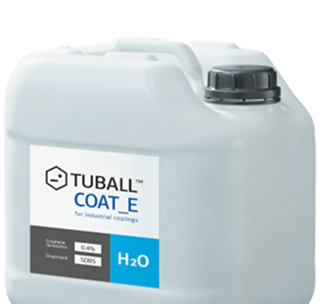
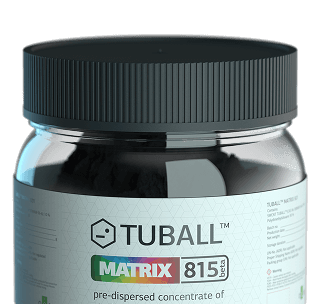
TUBALL™ graphene nanotubes are used in the manufacture of rotomolded polyethylene via TUBALL™ MATRIX 815 concentrate or TUBALL™ COAT_E dispersion. These products can be processed using standard equipment widely employed in the thermoplastics industry.
Contact us for product processing guidelines and additional technical documentation
A conductive additive for various thermoplastics systems and powder coatings