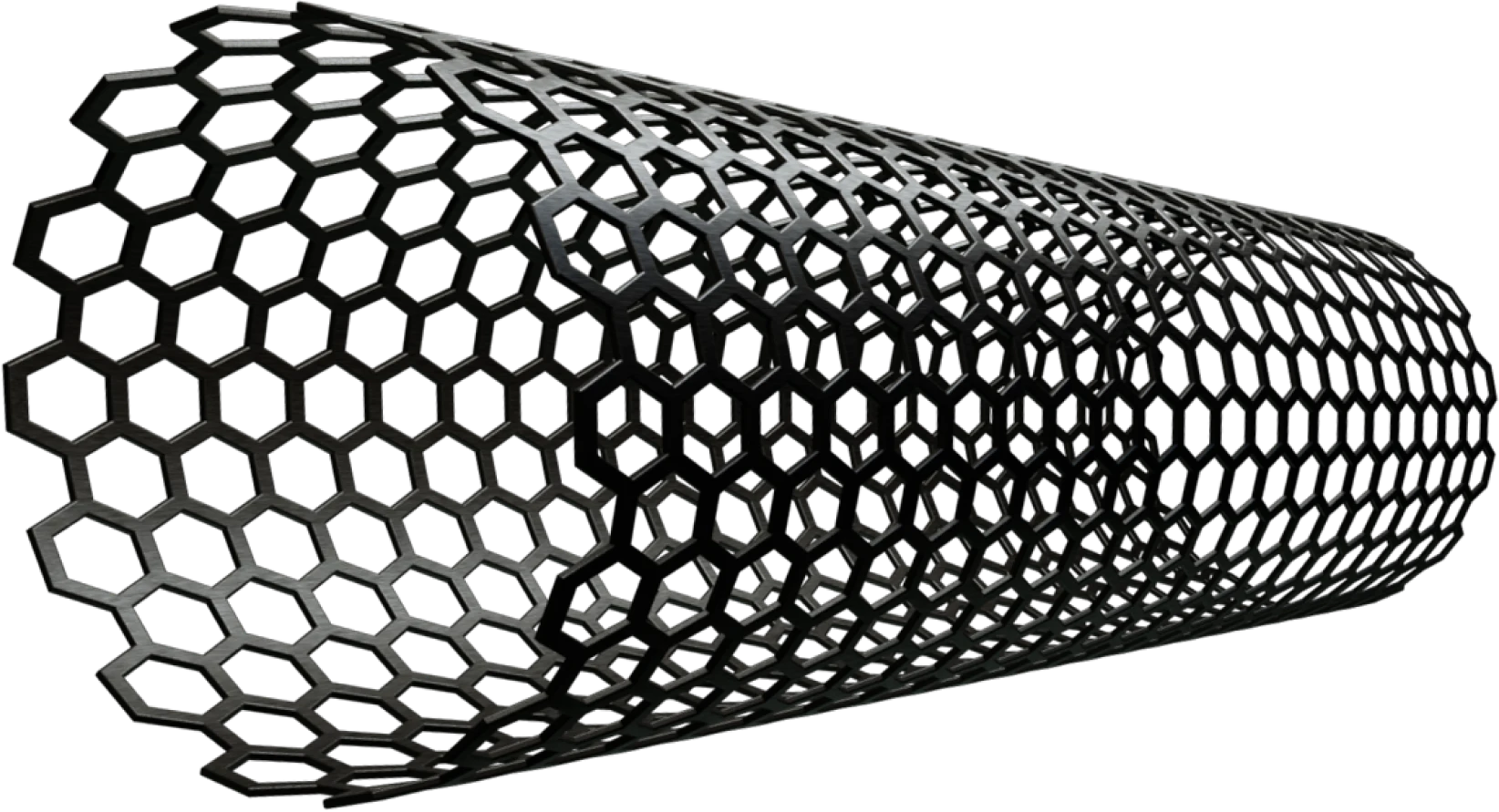
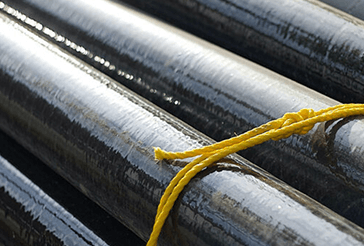
Graphene nanotubes provide pultruded and compression-molded FRP cable trays and gratings with permanent, humidity-independent antistatic performance throughout their service life. Uniform conductivity eliminates insulative spots, making these composites suitable for ATEX/IECEx zones and enhancing overall operational safety.
Effective at very low loadings, graphene nanotubes preserve chemical resistance, durability, and color flexibility. Supplied in ready-to-use forms, they enable clean, dust-free processing and are fully compatible with standard manufacturing equipment and technologies.
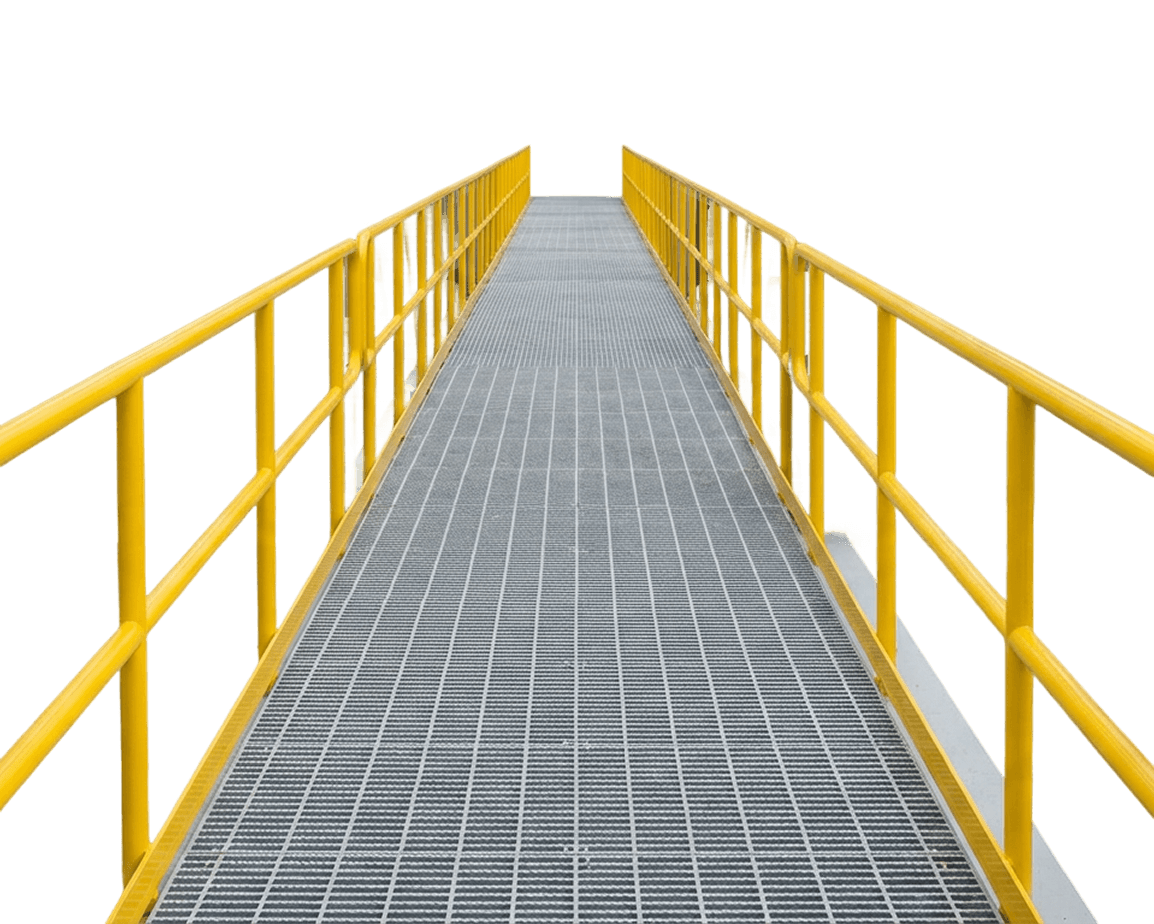





Anti-static fiber-reinforced polymer products are high-performance alternatives to steel for corrosive, demanding, and high-safety environments. Unlike steel, FRP does not corrode, reducing maintenance and extending service life in chemical and industrial applications. Pultruded FRP offers high strength and stiffness for longer spans and reliable load-bearing performance, while compression-molded FRP provides excellent corrosion resistance, design flexibility, and slip-resistant surfaces.

TUBALL™ graphene nanotubes deliver permanent, humidity-independent antistatic performance at very low loadings, preserving mechanical properties and design flexibility. Compared with conventional antistatic additives, graphene nanotubes offer high-performance advantages over:
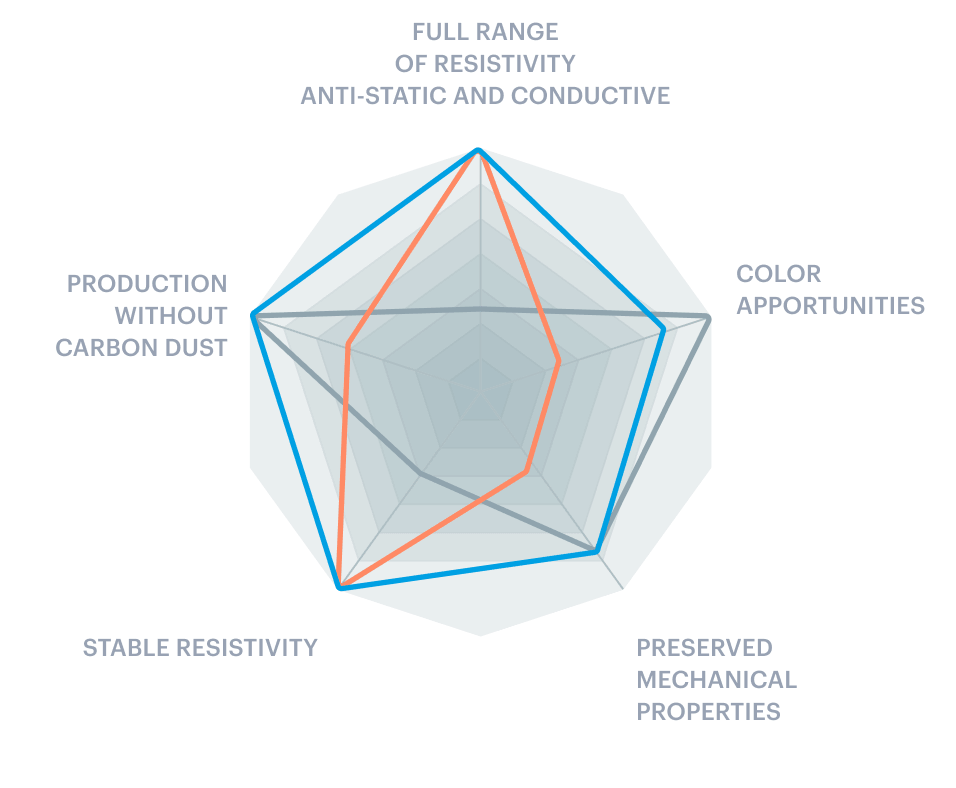
* This diagram provides average trends compared with other additives, based on OCSiAl data. Product performance may vary depending on product type and formulation.

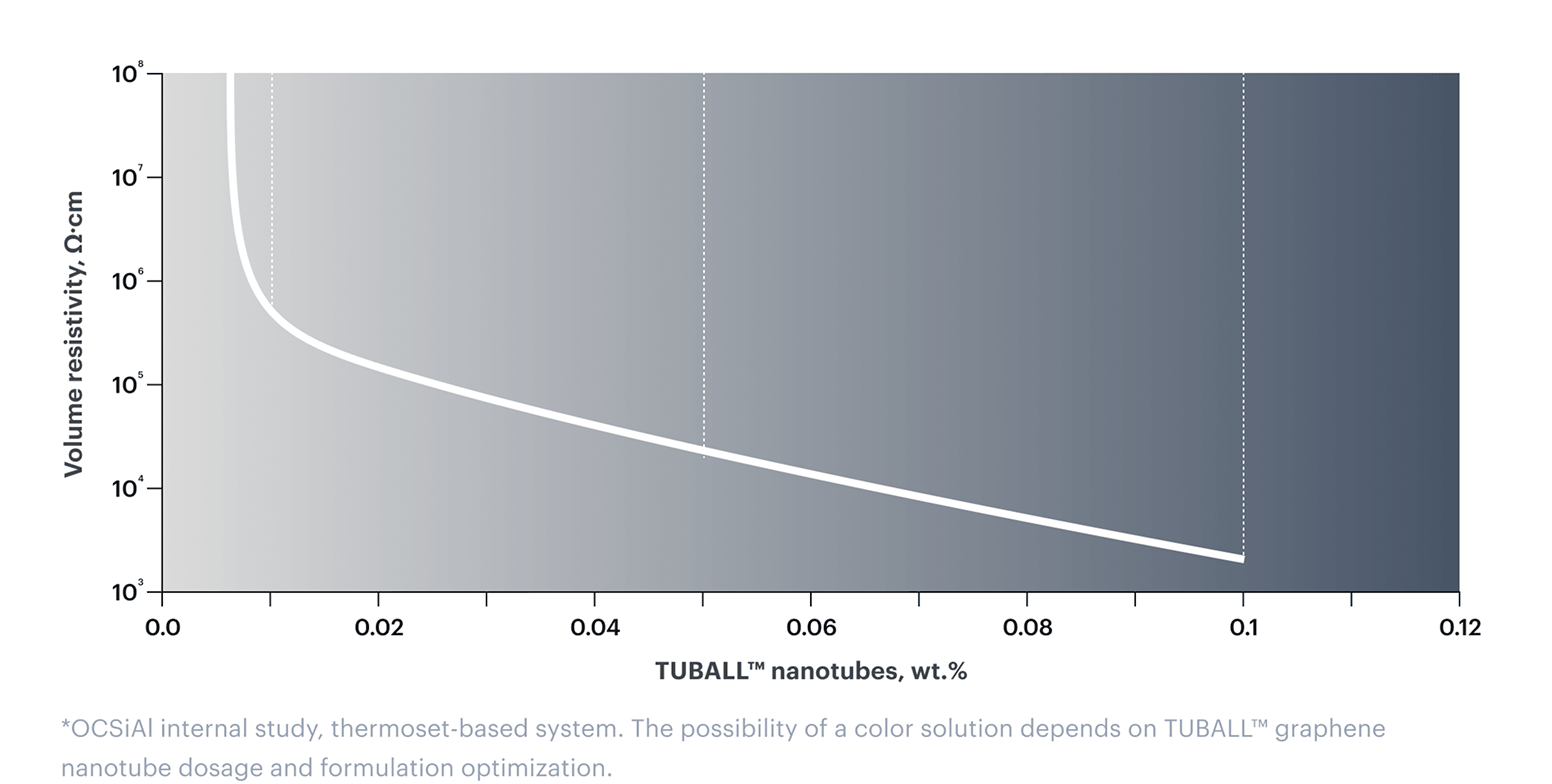
Starting at just 0.01 wt.%, TUBALL™ graphene nanotubes create a stable, three-dimensional conductive network within fiber-reinforced polymers, delivering precise control over electrical resistivity from antistatic to fully conductive. Its ultralow loading preserves the intrinsic properties of the composite and, unlike conventional additives, allows manufacturers to produce durable, high-performance thermoset parts in a wide range of colors.
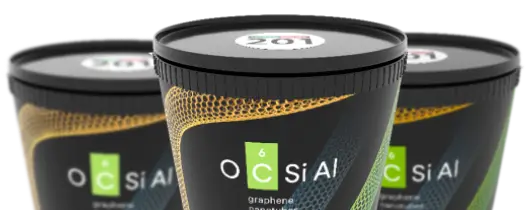





TUBALL™ MATRIX 204 and TUBALL™ MATRIX 301 are concentrates based on polymer-carriers and pre-dispersed TUBALL™ graphene nanotubes. They are specifically designed for polyester, epoxy, and vinyl-ester composites and coatings. The concentrates can be added during the compounding stage and don’t affect standard processing or equipment.
Contact us for product processing guidelines and additional technical documentation

Additivo conduttivo universale a base di plasticizzante con un agente stabilizzante per i rivestimenti in poliestere e in vinilestere, da utilizzare con melammina e con solventi acrilici. È anche consigliato per i compositi di poliestere e di vinilestere
Additivo conduttivo a base di tensioattivo per i rivestimenti epossidici e in PU esenti da solventi, senza difetti nel colore e nelle proprietà meccaniche. È anche consigliato per i compositi epossidici.


SWCNT-enhanced polymer, in which every monomer is decorated with a U-shaped fragment, exhibits significantly increased mechanical properties when compared to the matrix polymer.

It was shown that the electrical conductivity of SWCNT/epoxy composites increased by 7 orders of magnitude over that of epoxy resin when the content of SWCNTs was 0.005 wt%. The impact strength, tensile strength, and elastic modulus of the materials were increased by 47.9%, 58.9%, and 19.0%, respectively.

0.025 wt.% SWCNTs improved the Mode I fracture toughness, UTS, and elastic modulus of epoxy by about 182, 15, and 11%, respectively.

Applying an electric field during the curing of SWCNT/epoxy nanocomposites promotes the orientation and assembly of nanotubes into a more efficient conductive network, reducing electrical resistivity by up to one order of magnitude even at ultra-low loadings (0.01 wt%).
Loading SWCNTs into carbon black/polymer composites lowers the volume resistivity of such composites. The application of a small quantity of SWCNTs in carbon black/polymer composites allows reducing the carbon black content and improving the rheological and processing properties.