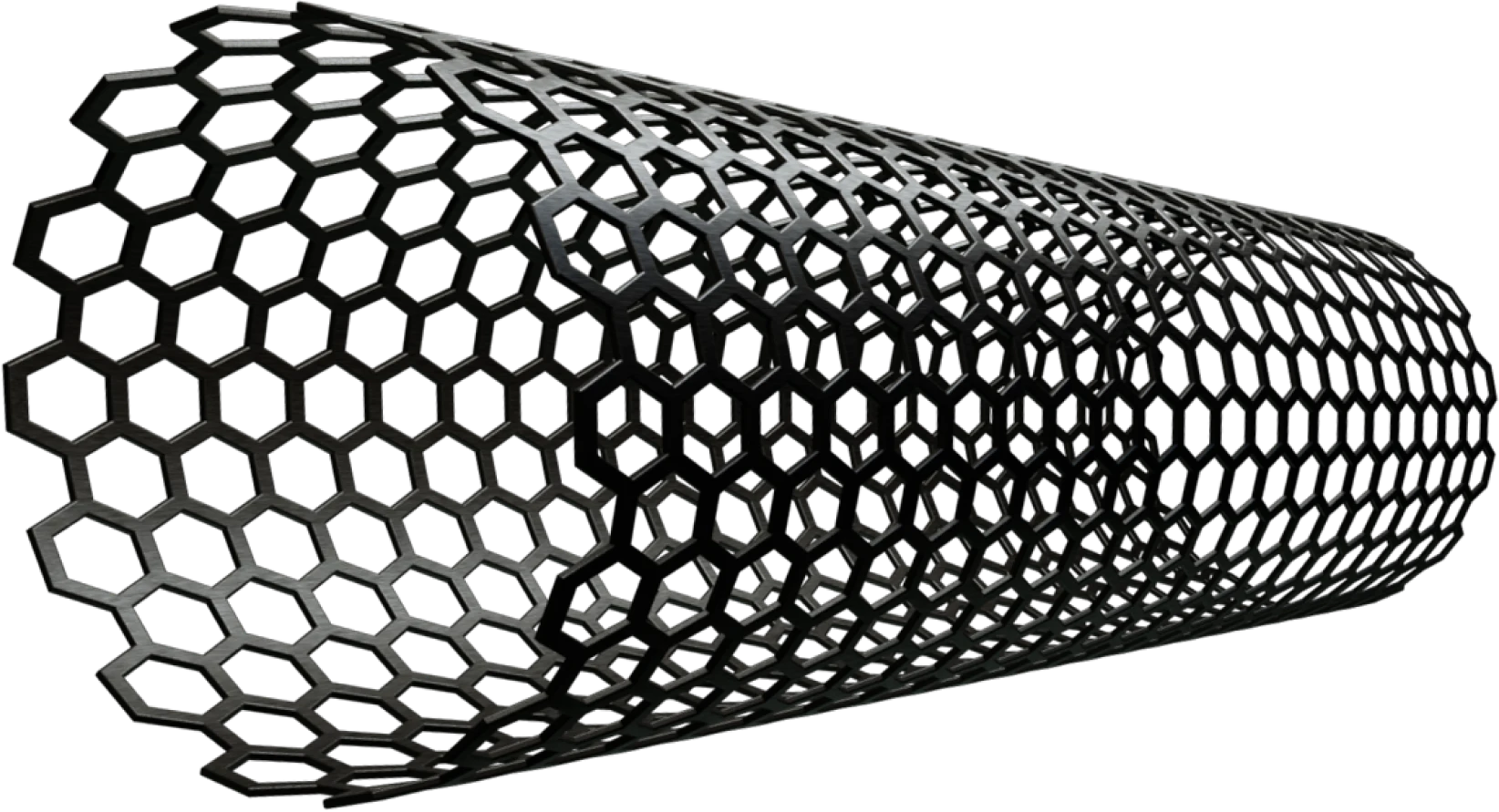
TUBALL™ graphene nanotubes provide electrical impulse massagers with stable and uniform electrical conductivity while preserving the original softness of silicone. Foot, head, and neck massage devices enhanced with nanotubes ensure no skin contamination or irritation, offering superior comfort and safety.
The healthcare industry demands highly conductive materials for pulse massagers to deliver electrical impulses to the human body effectively. At the same time, these materials must be soft and flexible for skin-contact applications, making silicone an ideal choice. By integrating graphene nanotubes, silicone-based massage devices achieve improved functionality, preserve skin cleanliness, and offer superior comfort.
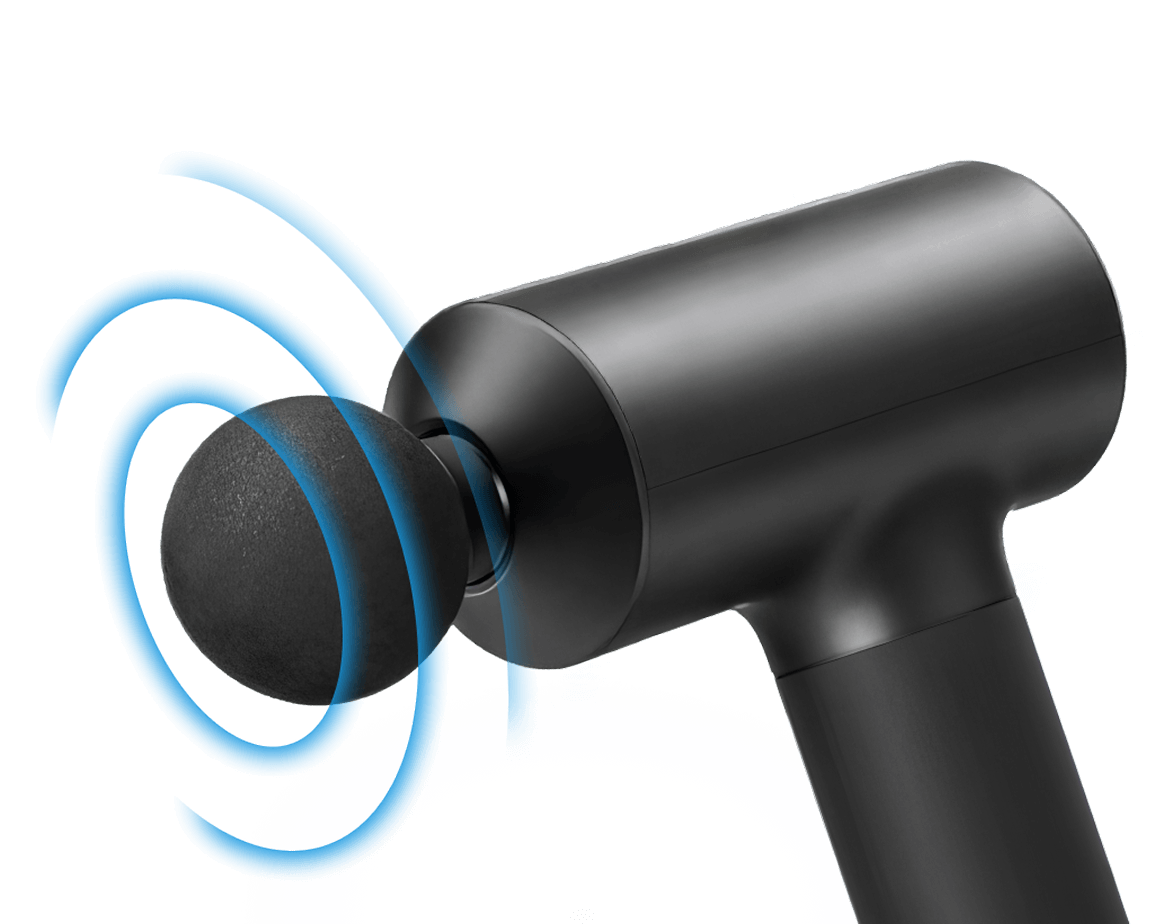





An electronic impulse massage device uses electrical signals to stimulate muscles, improve blood circulation, and relieve tension. These devices are commonly used in physical therapy, fitness recovery, and wellness routines to reduce pain, enhance muscle performance, and promote relaxation.
To perform effectively, these devices require stable electrical conductivity and skin-friendly properties. Originally insulative silicone, valued for its softness and flexibility, must be enhanced with a conductive additive to maintain these qualities while ensuring optimal performance.

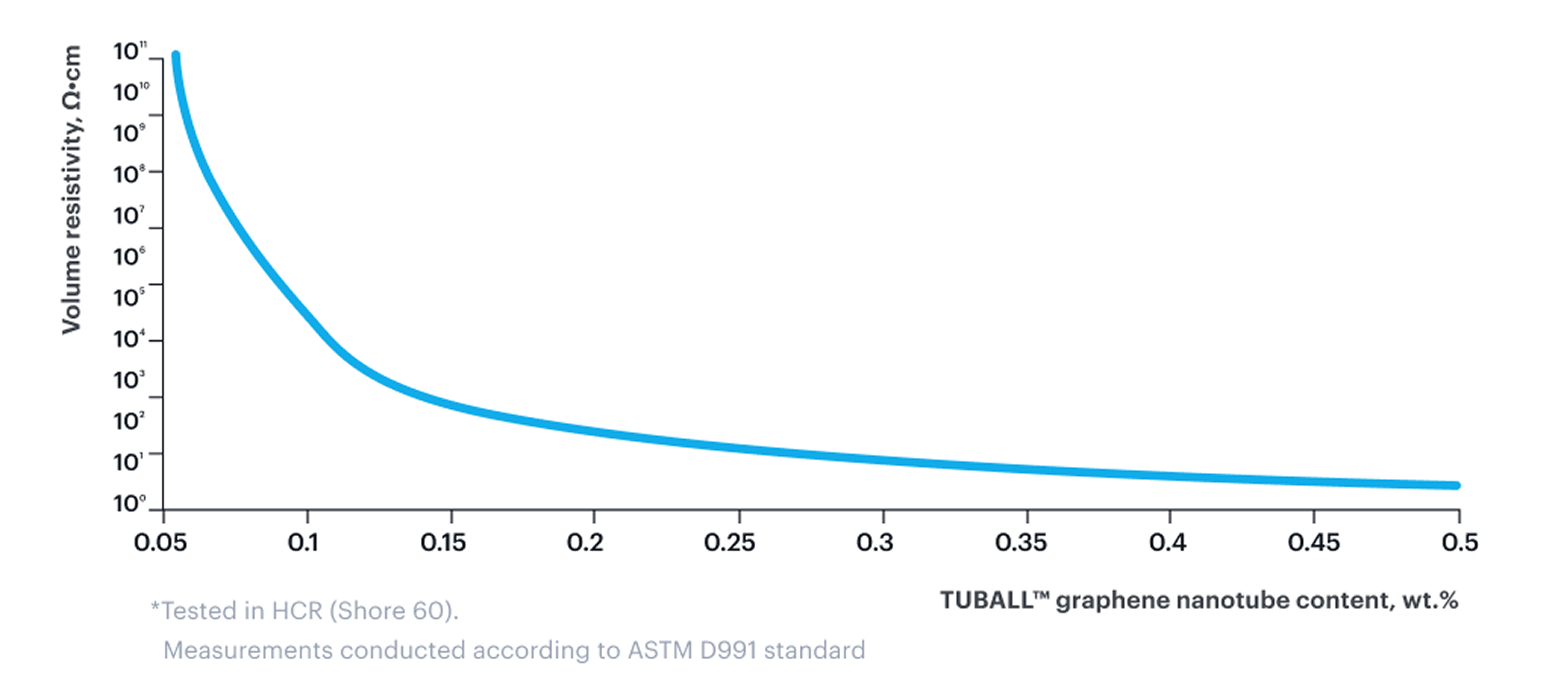
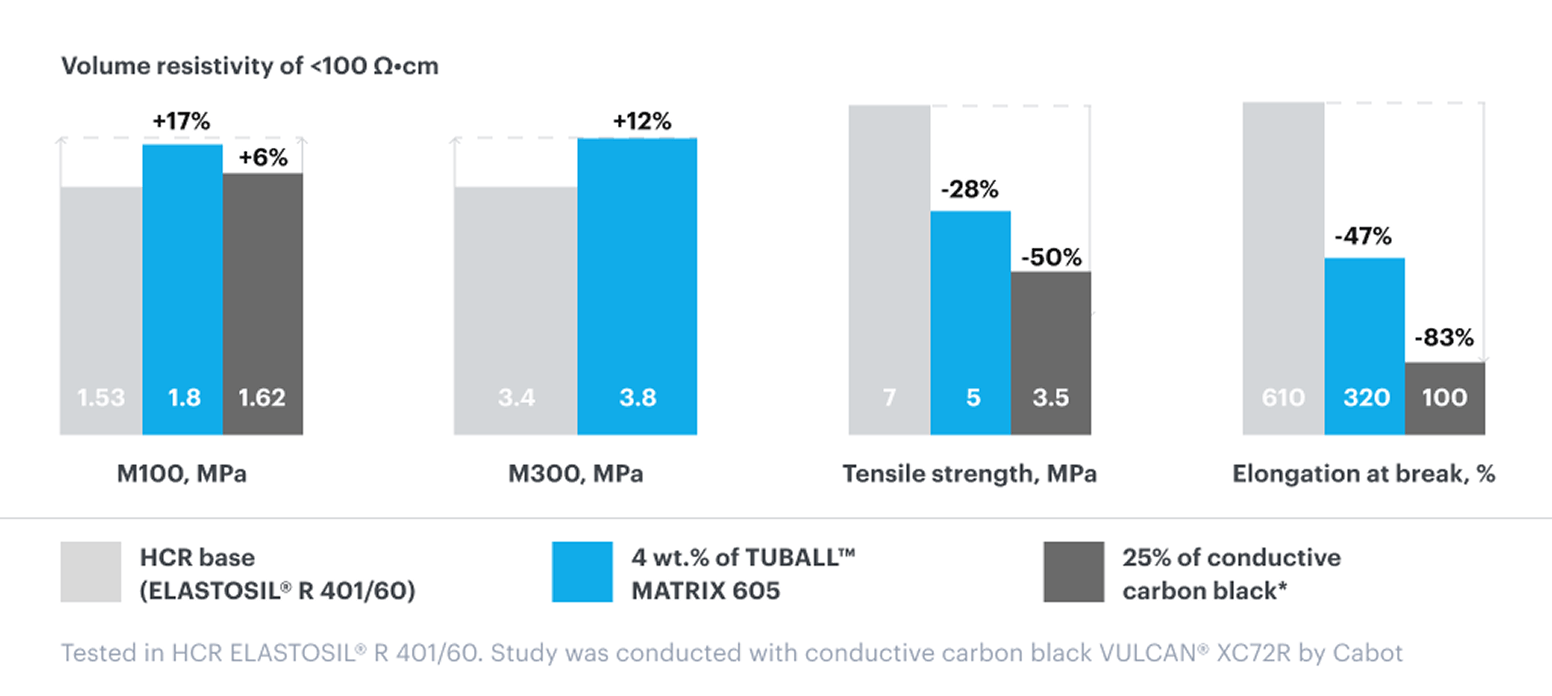
With a dosage as low as 0.25 wt.%, graphene nanotubes replace up to 40 wt.% carbon black in a conductive high-consistency rubber (HCR) silicone compound, ensuring stable volume resistivity of <100 Ω•cm. This combination of functionality and comfort is crucial for materials used in healthcare devices.

In contrast to conventionally used carbon black, TUBALL™ graphene nanotubes work effectively at ultralow dosages. This allows silicone to maintain softness, elasticity, low hardness, tensile parameters, viscosity, and rheological properties.

The nanotubes are fully incorporated into the material, eliminating carbon release to the material’s surface and skin contamination or irritation. TUBALL™ in powder form has successfully passed toxicology risk assessments related to skin safety.
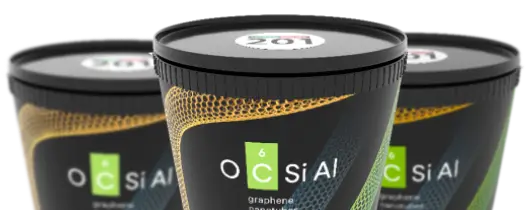




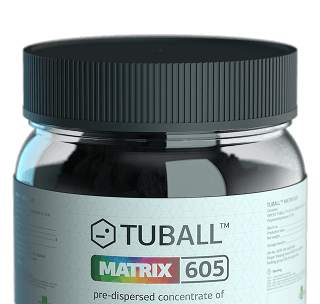
TUBALL™ MATRIX 605 is a concentrate based on reactive polymer and pre-dispersed graphene nanotubes. It is specifically designed for high consistency rubber (HCR) silicone systems to provide compatibility with standard mixing processes and equipment. It can be added during the silicone compounding stage and doesn’t affect the manufacturing process.
Contact us for product processing guidelines and additional technical documentation

Agente elettricamente conduttivo non reticolato per siliconi liquidi, che non influisce negativamente sul colore , sulla viscosità e sulla durata del materiale
Agente elettricamente conduttivo reticolato per siliconi liquidi, che non influisce negativamente sul colore, sulla viscosità e sulla durata del materiale
Agente elettricamente conduttivo reticolato che raddoppia la durata delle gomme siliconiche HCR e che permette la possibilità di colori
A concentrate specifically designed to provide superior electrical conductivity to silicone compounds (LSR, RTV).

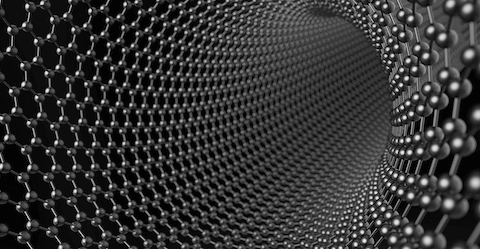

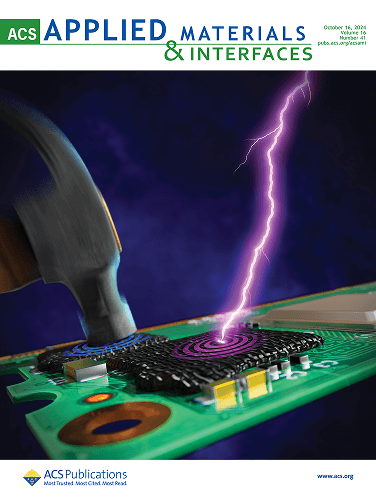
Low loadings (<1 wt %) of TUBALL™ can be sufficiently dispersed into silicone resins that can be 3D printed, and the resulting material shows a significant improvement in electrostatic dissipation through the reduction in electrical resistivity with minimal effect on its mechanical properties.