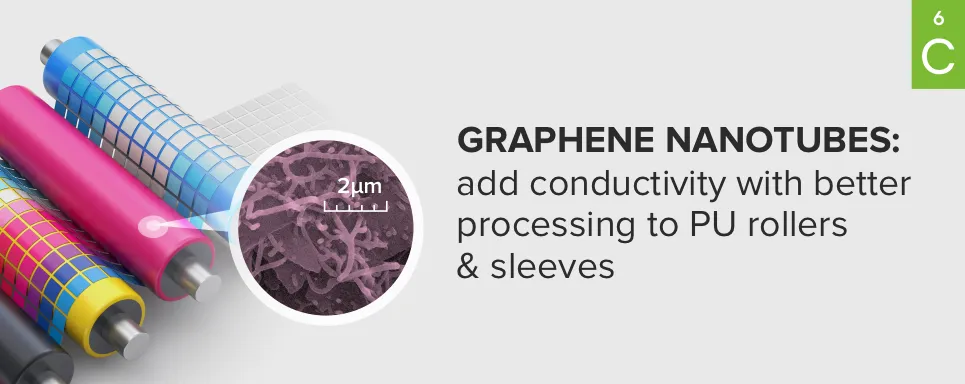
Graphene nanotubes provide printing rollers and sleeves with stable, long-lasting anti-static performance, helping maintain ESD-safe operation and low-defect printing. Unlike traditional conductive additives, nanotubes do not migrate or cause surface marking, ensuring clean roller surfaces and consistent print quality.
Nanotube-enhanced rollers and sleeves retain low hardness and high mechanical properties and offer broad design flexibility, including colorability. They are suitable for a wide range of ink types, including solvent-based inks, and perform reliably in flexographic printing on plastic films, cardboard, and paper. Supplied in ready-to-use forms, graphene nanotubes enable clean, dust-free processing and are fully compatible with standard manufacturing equipment and production technologies.
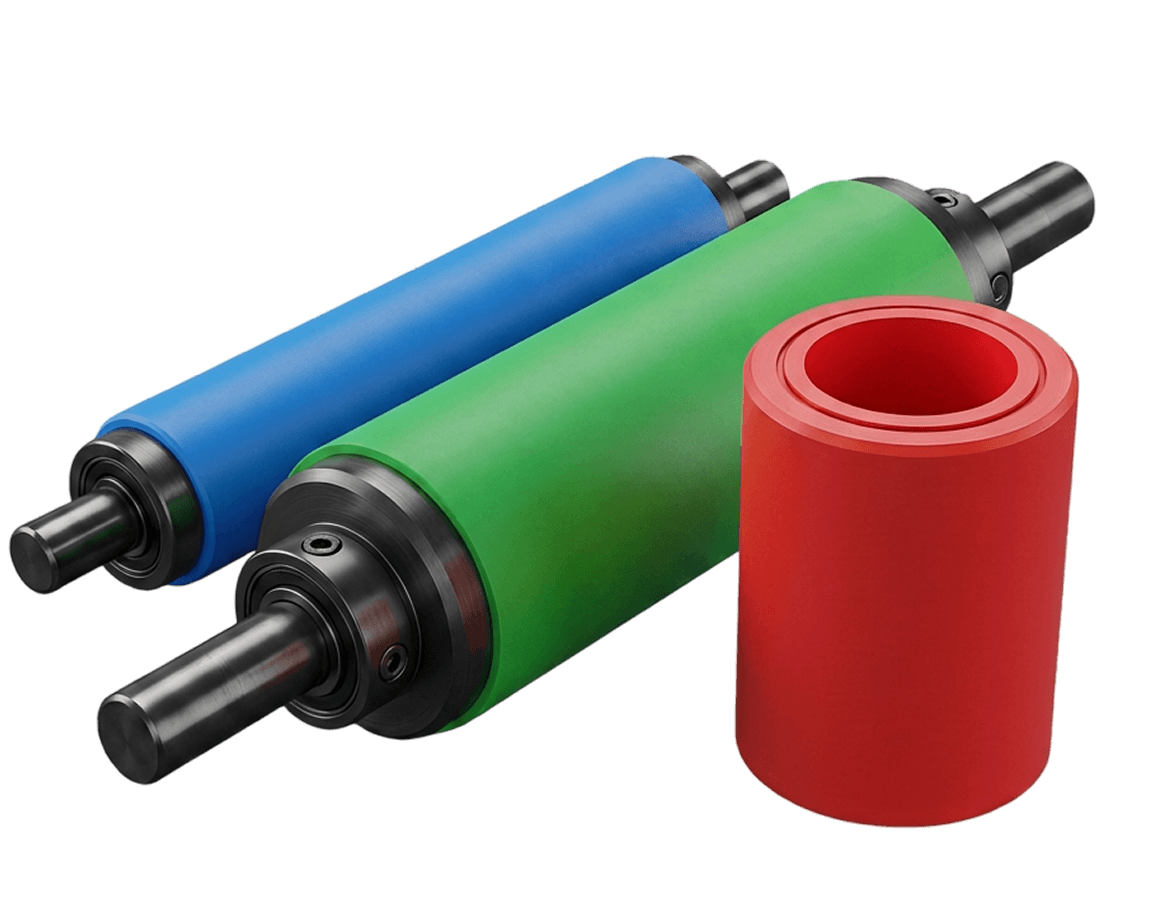






Printing rollers and sleeves often operate at high speeds, where friction between substrates, inks, and machine components rapidly generates static electricity. Even small electrostatic charges can attract dust and ink mist, leading to print defects, streaks, and higher scrap rates. Static buildup can also cause substrate misalignment and unstable web handling, particularly when printing on plastic films or lightweight packaging materials. In environments using solvent-based inks, uncontrolled static may even create spark and ignition risks. Anti-static rollers and sleeves dissipate charge continuously, ensuring stable ink transfer, cleaner surfaces, and safer operation. As a result, they help maintain consistent print quality, higher production efficiency, and reduced scrap rate.

TUBALL™ graphene nanotubes provide an excellent combination of properties for various polymeric materials used in printing rollers and sleeves, including:
Thanks to the unique morphology of graphene nanotubes and the ultralow dosages required—dozens of times lower than conventional anti-static agents—nanotubes enable permanent electrical conductivity while preserving hardness, tensile strength, color flexibility, and non-marking performance.
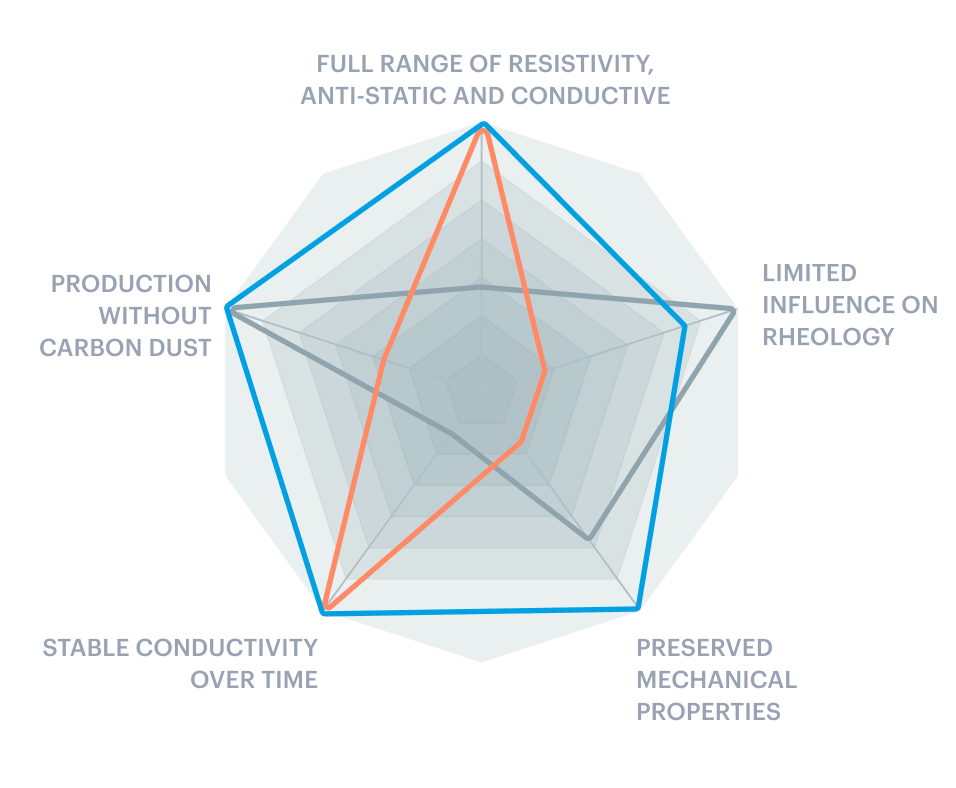
* This diagram provides average trends compared with other additives, based on OCSiAl data. Product performance may vary depending on product type and formulation.

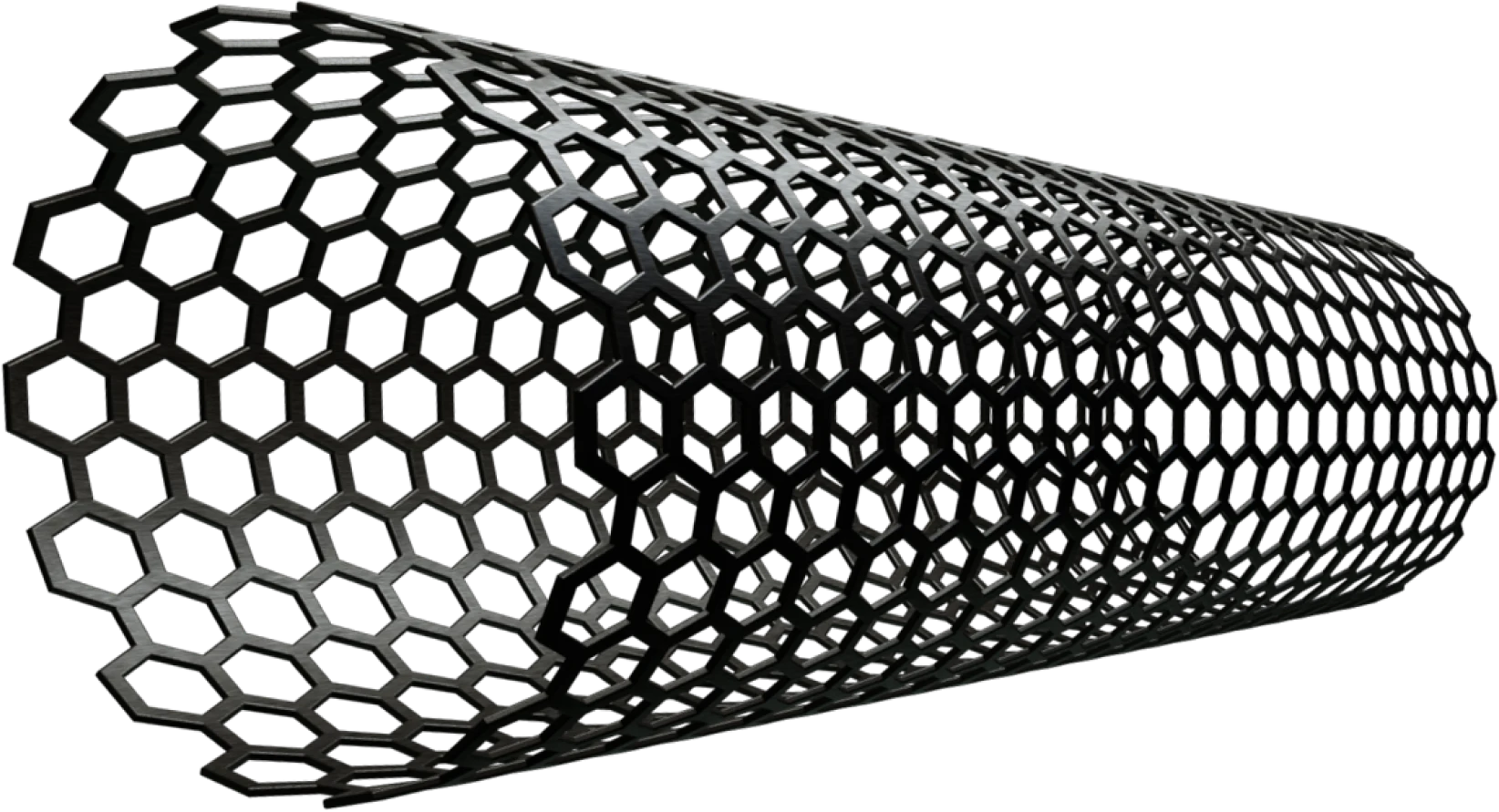
TUBALL™ graphene nanotubes create a widespread 3D conductive network throughout the material thickness, enabling stable anti-static performance over the entire service life without degradation or insulating “hot spots”. This prevents spark buildup and helps reduce scrap rates.
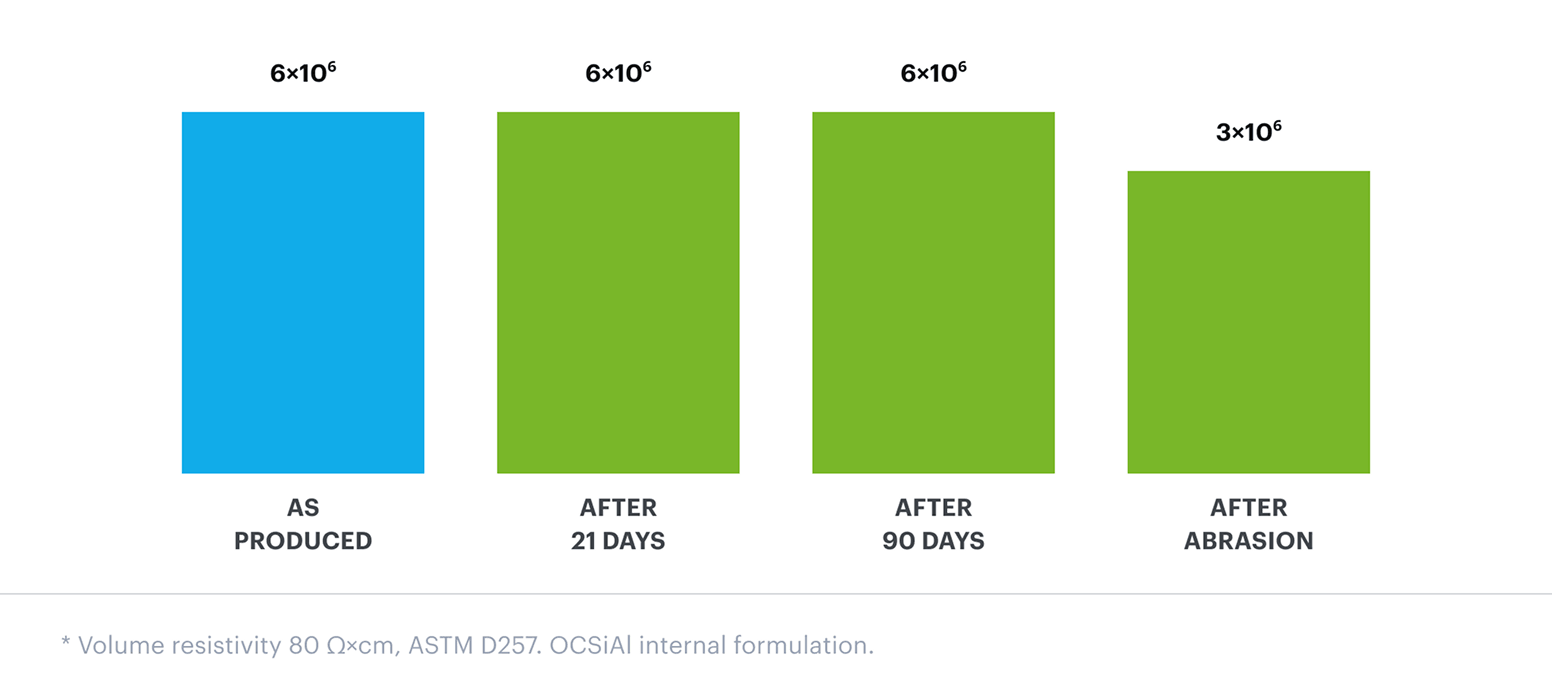

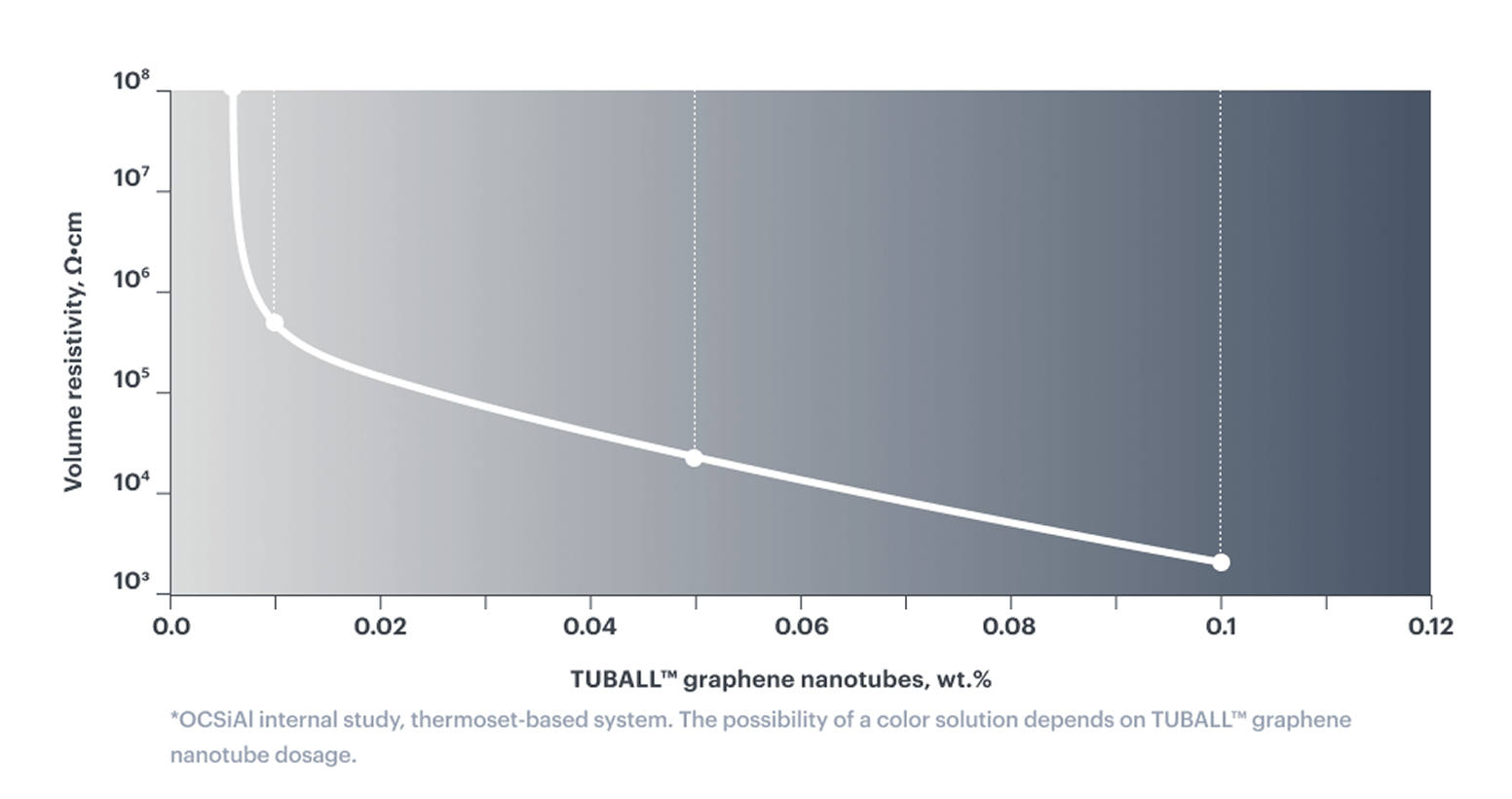
Tiny working amount of TUBALL™ graphene nanotubes makes it possible to combine electrical conductivity with good aesthetics and broad color possibilities, helping differentiate products on the market.





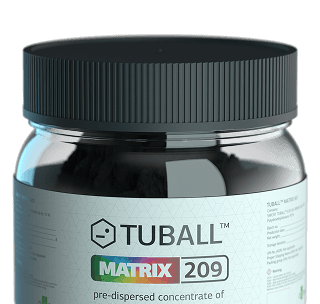
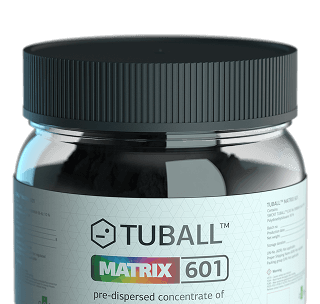
TUBALL™ MATRIX is a line of concentrates based on polymer carriers and pre-dispersed TUBALL™ graphene nanotubes. They are developed for easy adoption of nanotubes into standard technological process and integration into the original formulation of compounds. It can be diluted into resin using a high-speed mixer, a bead mill, or a three-roll mill, depending on product type.
Contact us for product processing guidelines and additional technical documentation
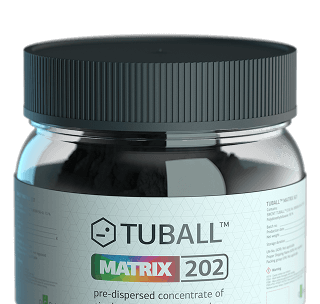
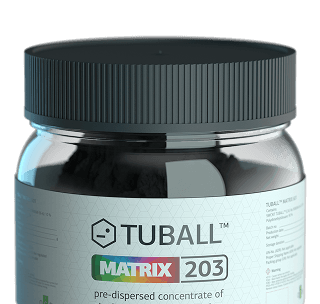
Additivo conduttivo per il poliuretano aromatico ed alifatico esente da solventi (poliestere, polietere, TDI/MDI, ecc.) e per i sistemi fenolici. Ampiamente applicato nei rivestimenti in PU e negli elastomeri solidi. Impatto minimo sulla resina originale, grazie a un dosaggio di lavoro più basso rispetto a TUBALL™ MATRIX 209
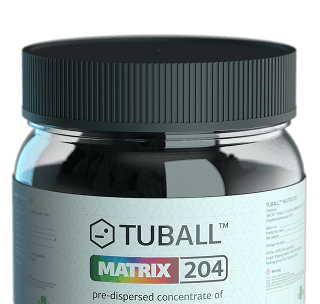
Additivo conduttivo a base di plasticizzante con un agente stabilizzante per i rivestimenti epossidici e in PU a base di solventi senza difetti nel colore e nelle proprietà meccaniche
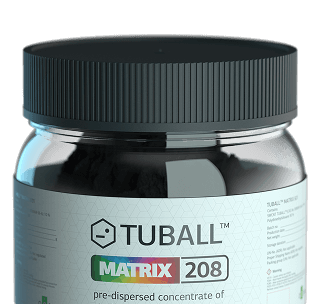
Additivo conduttivo universale a base di plasticizzante con un agente stabilizzante per i rivestimenti in poliestere e in vinilestere, da utilizzare con melammina e con solventi acrilici. È anche consigliato per i compositi di poliestere e di vinilestere
Additivo conduttivo a base di plasticizzante con un agente stabilizzante per i rivestimenti epossidici e in PU a base di solventi senza difetti nel colore e nelle proprietà meccaniche
Additivo conduttivo per il poliuretano aromatico ed alifatico esente da solventi (poliestere, polietere, TDI/MDI, ecc.) e per i sistemi fenolici. Ampiamente applicato nei rivestimenti in PU e negli elastomeri solidi. Facile da dissolvere rispetto a TUBALL™ MATRIX 202
Agente elettricamente conduttivo non reticolato per siliconi liquidi, che non influisce negativamente sul colore , sulla viscosità e sulla durata del materiale

Tuball™ products are not only able to overcome the previous difficulties with nanotube dispersion in PU systems, but they are also effective replacements for the ammonium salts and carbon black antistatic agents conventionally used in PU applications.

SWCNT-enhanced polymer, in which every monomer is decorated with a U-shaped fragment, exhibits significantly increased mechanical properties when compared to the matrix polymer.
It was shown that the electrical conductivity of SWCNT/epoxy composites increased by 7 orders of magnitude over that of epoxy resin when the content of SWCNTs was 0.005 wt%. The impact strength, tensile strength, and elastic modulus of the materials were increased by 47.9%, 58.9%, and 19.0%, respectively.
Applying an electric field during the curing of SWCNT/epoxy nanocomposites promotes the orientation and assembly of nanotubes into a more efficient conductive network, reducing electrical resistivity by up to one order of magnitude even at ultra-low loadings (0.01 wt%).