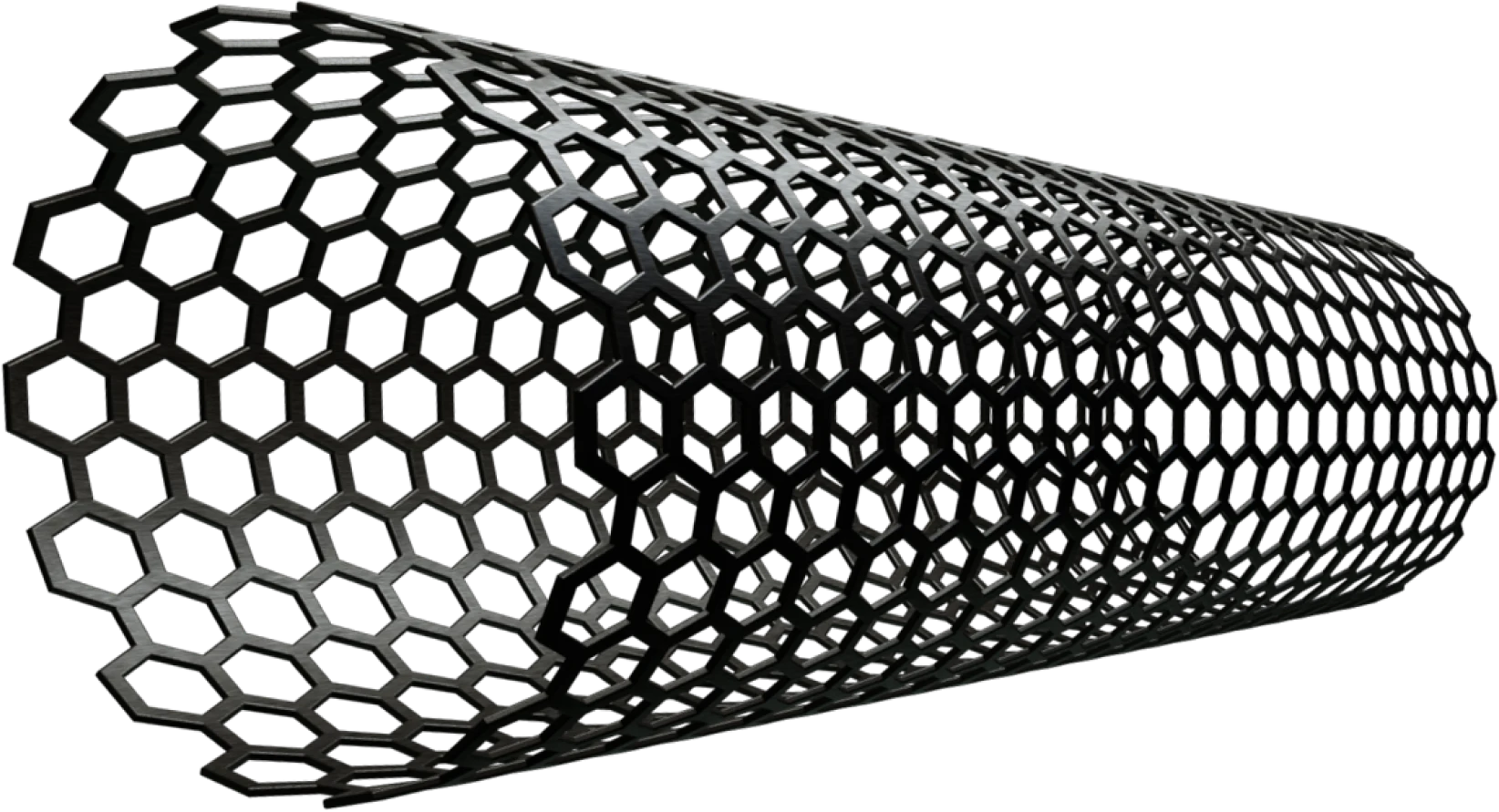
Robust TUBALL™ single wall carbon nanotube networks work like high-speed highways for electrons and make it possible to achieve uniform low internal resistance and improved durability of electrodes.





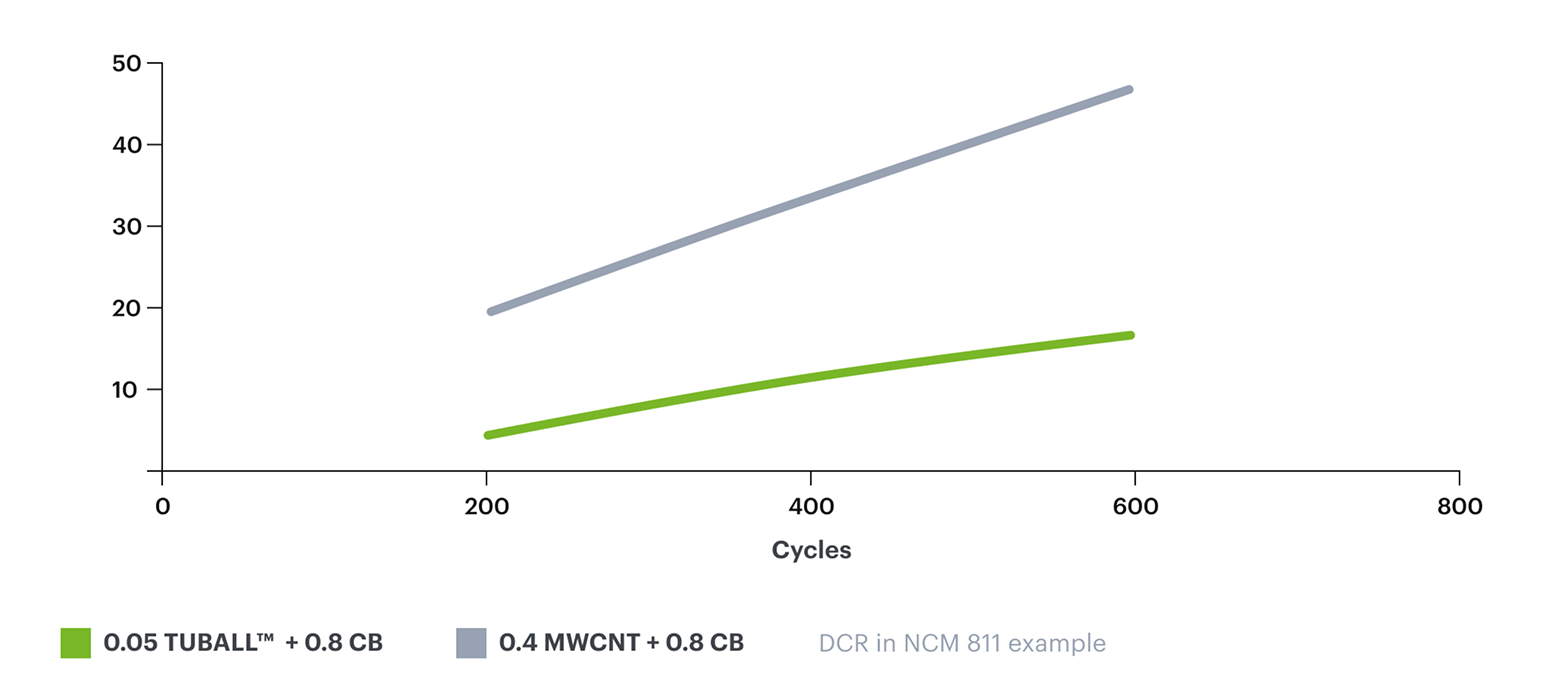
Replacement of multi wall carbon nanotubes (MWCNT) with TUBALL™ single wall carbon nanotubes in NCM 811 cells results in lowered DCR increase and improved safety. While carbon black provides surface-level connections between active material particles in standard recipes, TUBALL™ nanotubes form long, fine, conductive bundles that bridge particles throughout the electrode volume. This creates a more efficient conductive network than a combination of MWCNTs with carbon black, which is usually limited to surface connections only.

The unique morphology of TUBALL™ SWCNTs enables not only low resistance but also significant improvements in the mechanical properties of electrodes. Thanks to their high aspect ratio and ability to connect electrode particles over long distances, SWCNTs form a robust conductive and mechanical network throughout the electrode structure. This network helps reduce rebound after calendering, improves electrode flexibility, and enhances electrode integrity during processing. As a result, battery manufacture becomes more stable and efficient, supporting improved electrode handling and cell assembly performance.
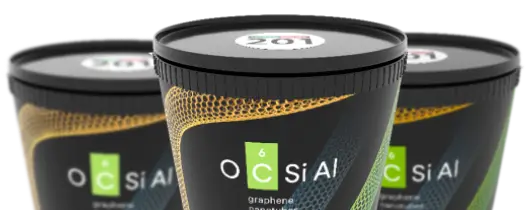

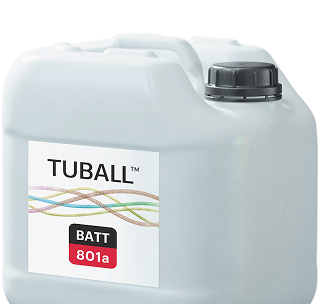
TUBALL™ BATT NMP is a ready-to-use solution designed for integration into existing battery cathode production processes. It contains a TUBALL™ nanotube dispersion in NMP developed for improved battery safety and higher energy density of cathodes. TUBALL™ BATT is now available in an optimized, more cost-efficient dispersion form.
To buy single wall carbon nanotube products, please contact us. Price depends on the required volumes.
Contact us for product processing guidelines and additional technical documentation

TUBALL™그래핀 나노튜브의 탁월한 전도성은 동급 최저 수준인 단 0.06%의 부하량으로도 캐소드에 필요한 전도성, 접착성, 안전성, 속도 및 사이클링 성능을 제공할 수 있습니다. 산업용으로 사용되는 MWCNT 또는 전도성 카본 블랙의 일반적인 유효 농도는 10~50배 더 높은 경우가 많습니다. TUBALL™ 나노튜브의 초저부하량으로 LIB 제조업체는 최신 고에너지 NCM 및 기타 캐소드 재료에서 활성 물질이 최대 99% 포함되도록 하여 캐소드의 에너지 밀도를 극대화할 수 있습니다. 최신 전기자동차 배터리 팩 전체에 100g의 TUBALL™ 나노튜브를 사용하면 3~4kg의 카본 블랙을 대체할 수 있습니다.
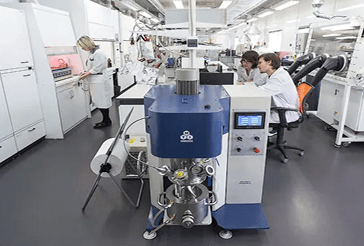
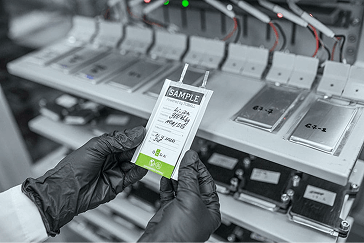
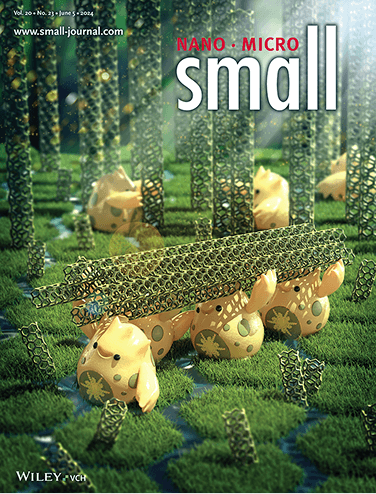
SWCNTs (TUBALL) enable the conductive network in high-loading LMFP and Ni-rich NCM cathodes, allowing the study to isolate and quantify contact and compound electronic resistances. The results show that electronic resistance is dominated by contact resistance rather than bulk electrode resistance, highlighting the critical role of SWCNT-based conductive pathways in maintaining electrode conductivity and fast-charge capability
Debundled and mildly oxidized SWCNTs enable dispersant-free NMP slurries, forming a more homogeneous conductive additive/binder network in Ni-rich NCM811 cathodes. The highly conductive SWCNT framework (2384 S cm⁻¹ film conductivity) improves electrode integrity and delivers ~23.3% higher capacity retention after 100 cycles compared with conventional carbon black electrodes.
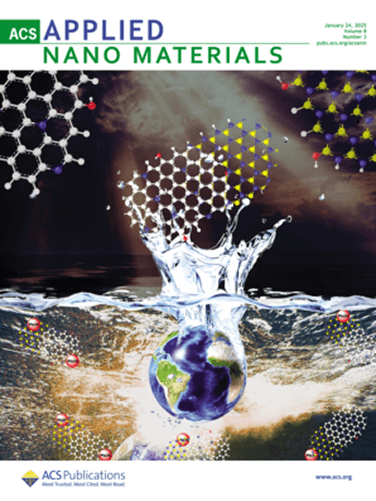
SWCNTs dispersed in an alcohol-based, dispersant-free system act as both conductive additives and conductive binders, enabling a more sustainable fabrication route for Ni-rich NCM811 cathodes. The SWCNT network enhances electrode flexibility, conductivity, and rate capability, while maintaining ~78% capacity retention after 150 cycles and outperforming conventional carbon black formulations.