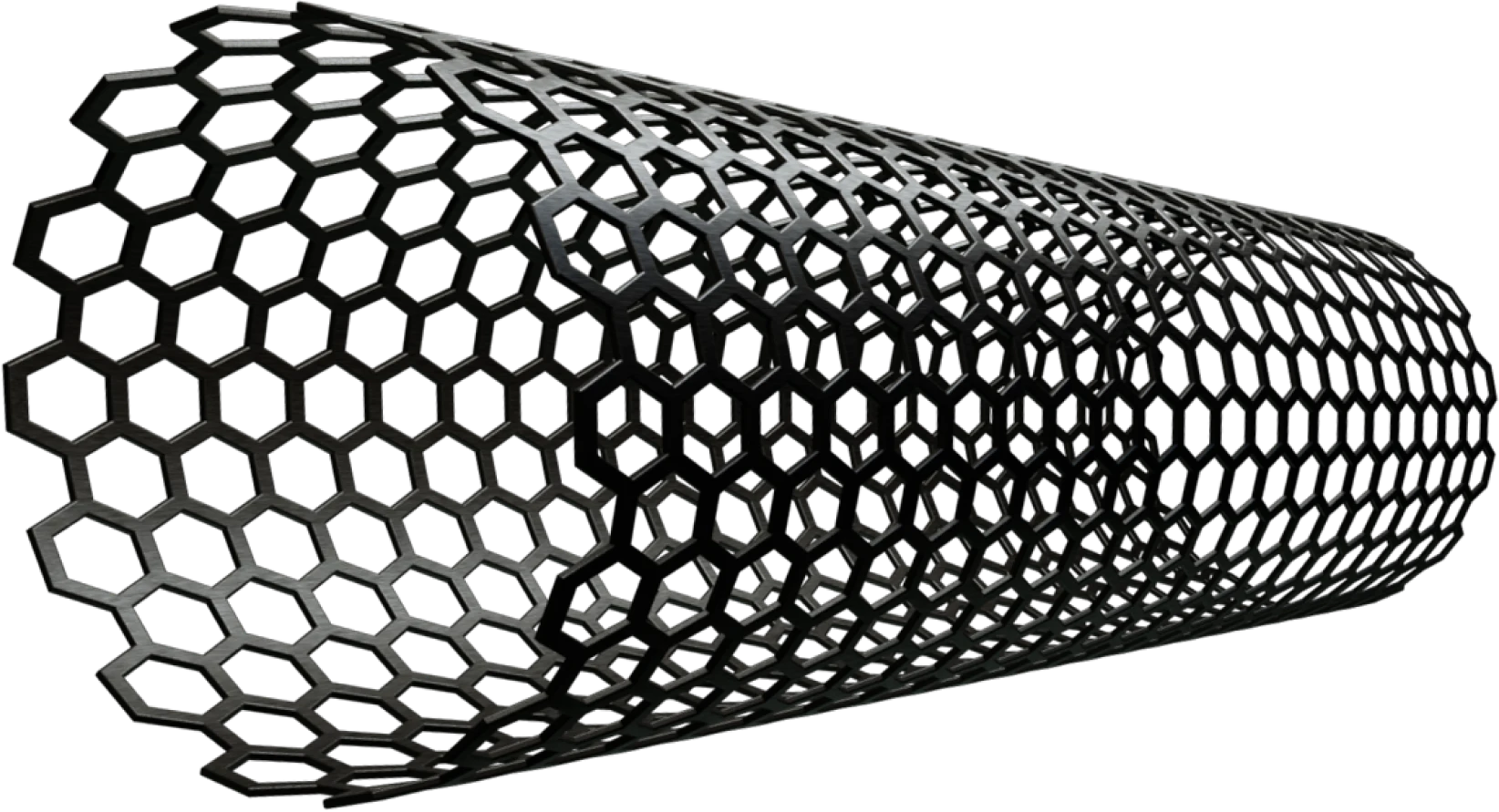
Graphene nanotubes provide sensors with stable and uniform electrical conductivity while maintaining silicone’s low hardness and high elasticity. The nanotube-enhanced electrodes ensure excellent body adhesion, non-marking use, touch comfort, and compliance with the EU RoHS Directive.
In the healthcare and medical industries, soft, flexible, and accurate skin electrodes are essential for transmitting electrical, physical, and chemical signals to and from the human body. Metal-free, biocompatible silicone electrodes integrating graphene nanotubes demonstrate precise diagnostics, skin cleanliness, and aesthetic design.
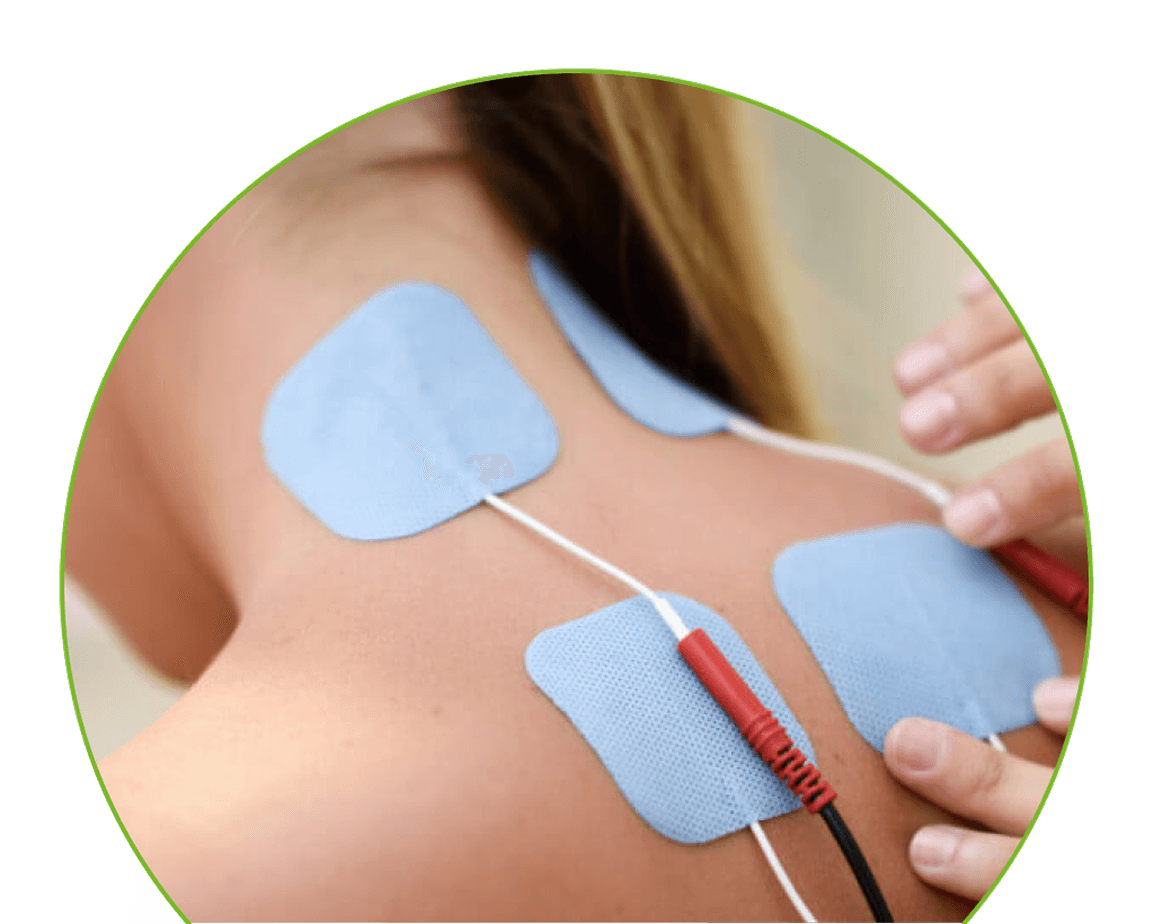






Skin electrodes are vital in medical and sports applications. They transmit electrical, physical, and chemical signals to and from the body and are integrated into devices like wearable electronics, body stimulators, and sensors.
To perform effectively, these electrodes must maintain secure, long-term skin contact without causing irritation or allergic reactions, even during sweating or movement. Silicone, a hypoallergenic material, is commonly used due to its skin-friendly properties. However, its insulating nature requires the addition of conductive agents to enable electrical conductivity.

In contrast to other conductive additive, graphene nanotubes at a dosage of just 0.5 wt.% create a permanent 3D conductive network within silicone, enabling it to conduct electrical current. The nanotubes’ ultra-long structure ensures consistent conductive properties throughout the silicone’s service life, guaranteeing reliable, high-quality signal acquisition.
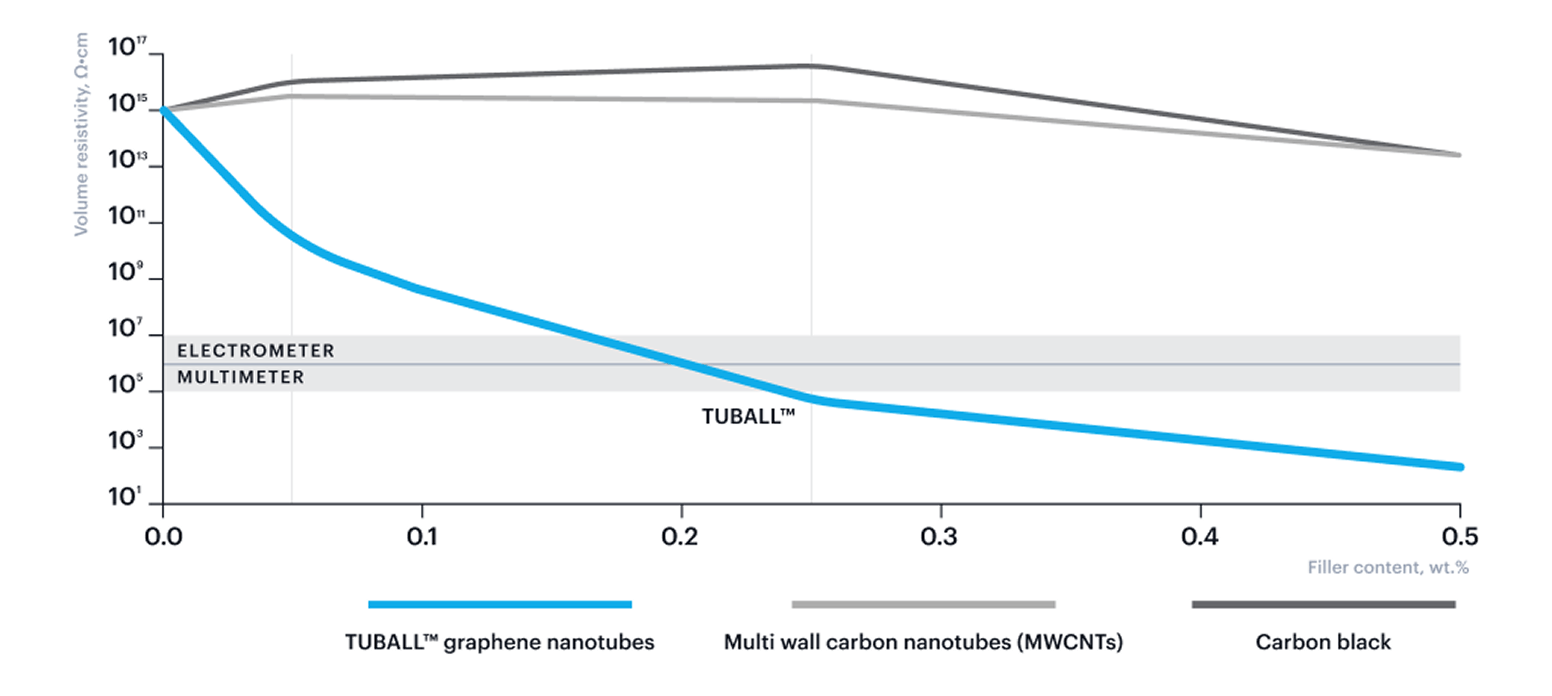

An ultralow working dosage of graphene nanotubes enables silicone to maintain its original high flexibility and low hardness, ensuring strong adhesion to the body, and reducing signal loss and noise. This is almost impossible to achieve using conventional conductive agents, such as carbon black, metal fillers, and carbon fibers, which are required in high amounts.
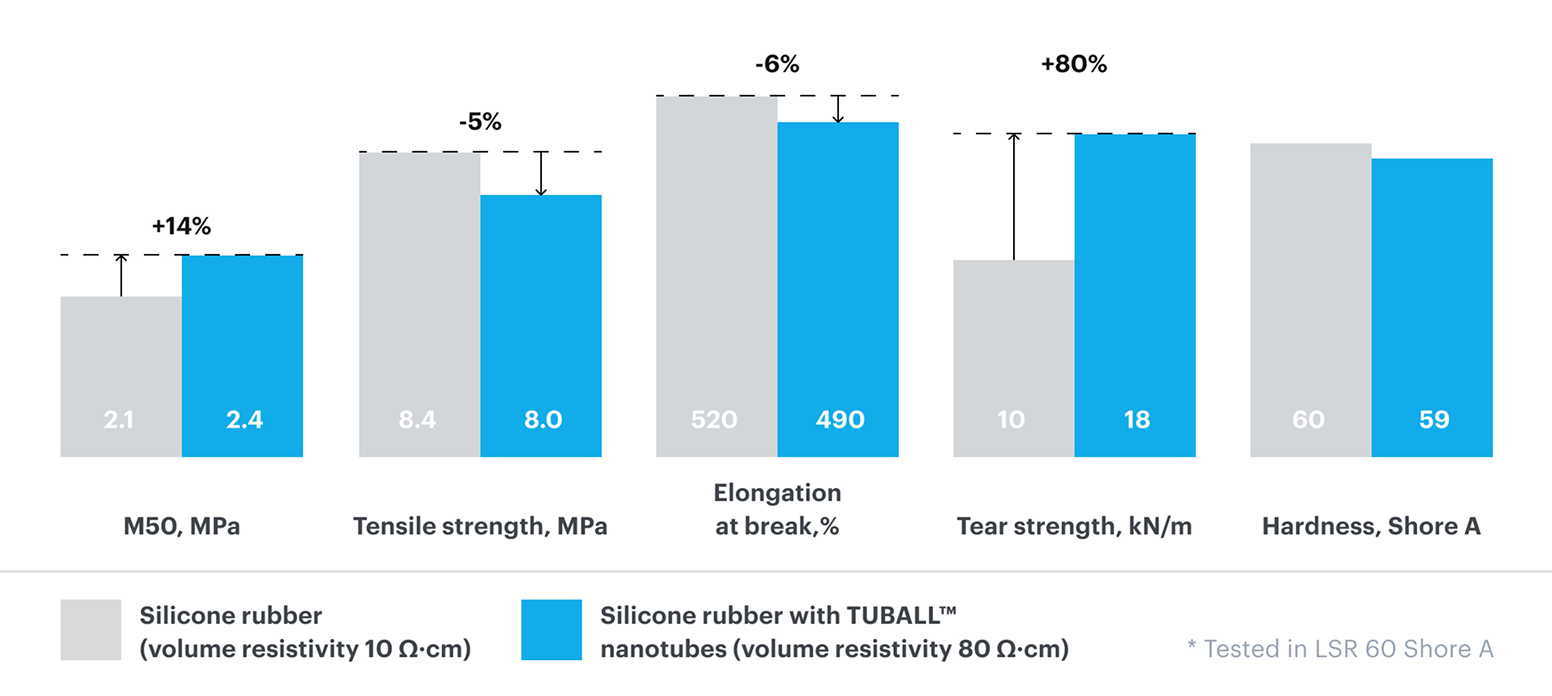

TUBALL™ nanotubes are fully incorporated into the material, eliminating the risk of skin contamination or irritation. The maintained original softness and elasticity of the silicone ensures optimal skin comfort. Nanotubes in powder form have successfully passed toxicology risk assessments related to skin safety.
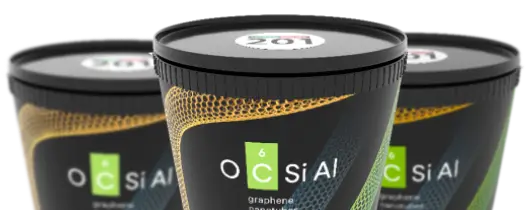





TUBALL™ MATRIX 613 beta is a concentrate based on silicone oil and pre-dispersed graphene nanotubes. It is specifically designed for silicone systems to provide compatibility with standard mixing processes and equipment. It can be added during the silicone compounding stage and doesn’t affect the manufacturing process.
Contact us for product processing guidelines and additional technical documentation

A concentrate specifically designed to provide superior electrical conductivity to silicone compounds (LSR, RTV).


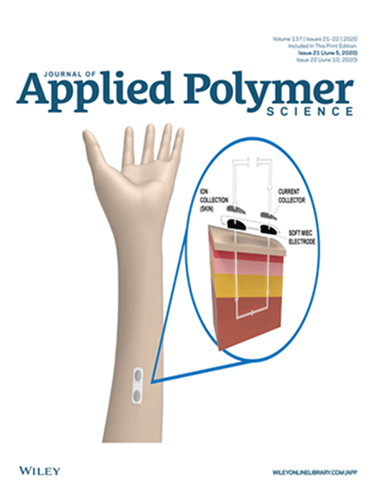
A soft mixed ionic–electronic conductor was developed using TUBALL™ SWCNT, hyaluronic acid, and NBR latex for noninvasive electrotherapeutic stimulation. SWCNTs enhanced electrical conductivity and reduced interfacial resistance, enabling layered electrodes with optimized charge transfer and superior performance over current market options, while eliminating the need for hydrogels.
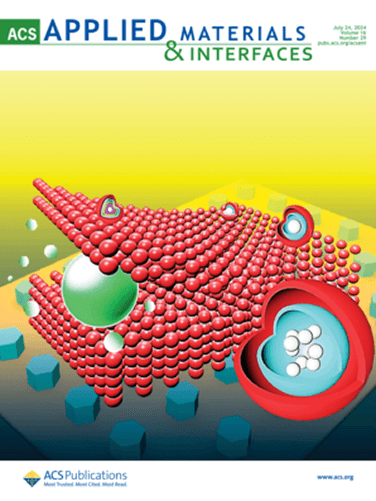
The body-heat-powered wearable device offers portable, continuous, wireless monitoring of electromyogram and electrocardiogram captures. TUBALL™-based TEGs show stable performance for 7 days, harvesting a high open-circuit voltage of 175–180 mV from the human body to power wireless bioelectronics for continuous signal detection.
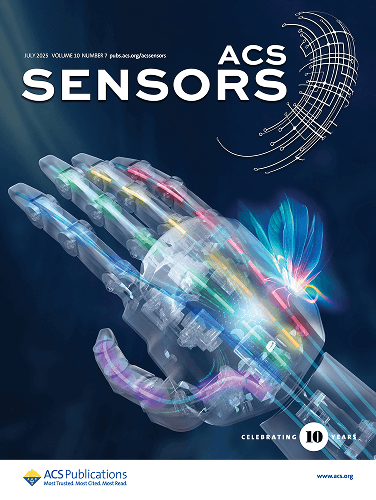
SWCNTs improve the electrical conductivity and mechanical durability of porous composites, enabling stable energy harvesting over 12,000 cycles. Demonstrated in a self-powered sign language system, the triboelectric nanogenerator showcases strong potential for real-time gesture sensing and next-generation wearable human–machine interfaces.
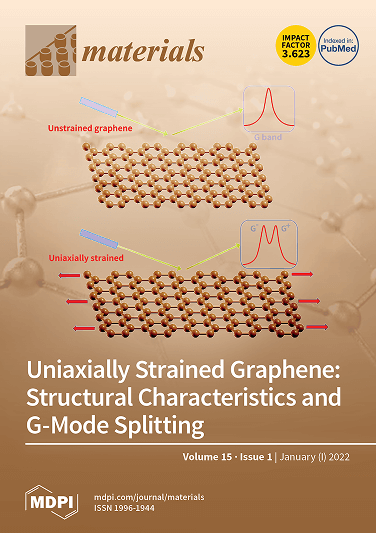
TUBALL™ SWCNT-based nanocomposites and RTV-2 materials were used to fabricate multilayer electronic skin (e-skin) micropatterns via additive manufacturing. SWCNTs provided reliable electrical pathways with low resistivity in micropattern geometries, enabling scalable, low-cost, and flexible e-skin prototypes with promising mechanical and sensing performance.

This review outlines recent advances in skin-inspired electronics using supramolecular polymeric materials (SPMs) combined with semiconducting SWCNTs to achieve stretchable, flexible, and self-healing electronic skins. SWCNTs play a key role as high-performance semiconducting components, enabling mechanically adaptive, electronically active systems for next-generation wearable health monitoring and diagnostic devices.

A soft, stretchable low-modulus, low-motion-artifact ECG sensor enhanced with SWCNTs to improve electrical performance and comfort. The SWCNT network ensures stable signal transmission with significantly reduced motion artifacts compared to gold-standard Ag/AgCl electrodes, enabling a waterproof, low-cost, and scalable solution for long-term wearable ECG monitoring via wireless personal devices.