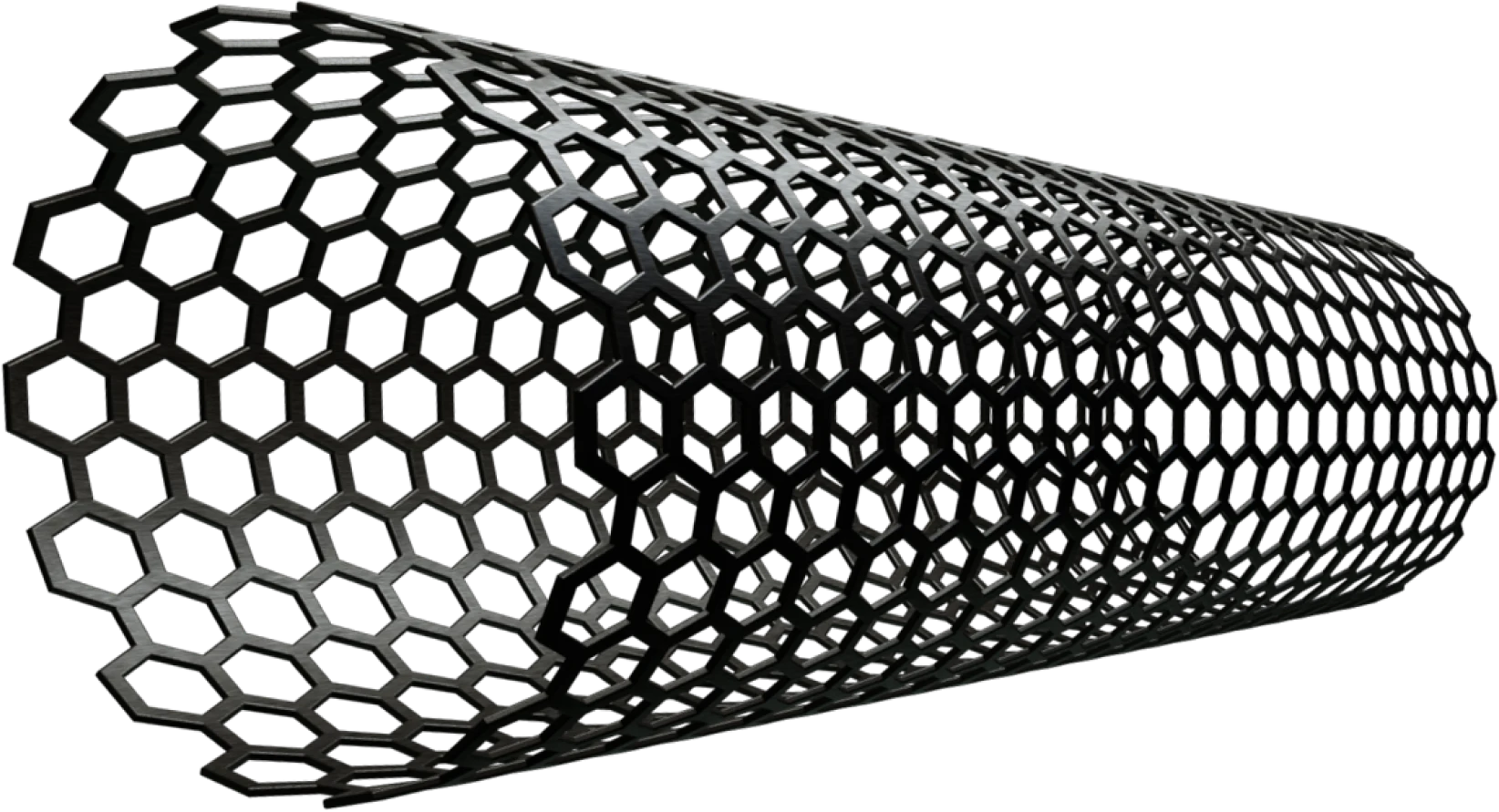
TUBALL™ graphene nanotubes, when integrated into the silicone components of headphones, earbuds, speaker parts, or smartwatch bracelets, enable the transmission of various signals between the device and the human body and permanent electrostatic discharge (ESD) protection. This innovation allows for the creation of soft, colorful, durable, wearables, maintaining the material’s flexibility without causing skin contamination.
By utilizing graphene nanotube-enhanced electrically conductive silicone, manufacturers can overcome the limitations of conventional conductive agents, ensuring long-lasting skin comfort and high functionality for flexible wearable electronics.
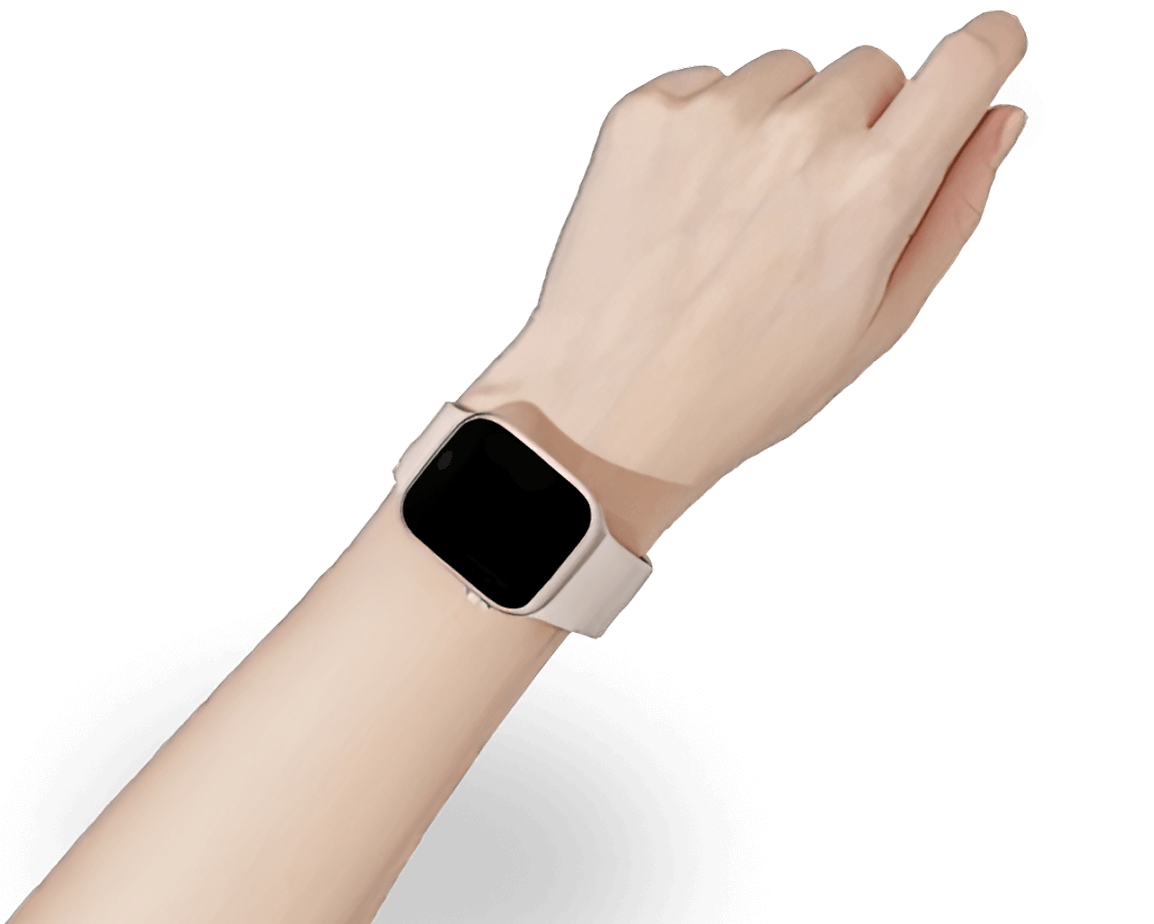






Wearable devices must be electrically conductive for accurate transmition of electrical, physical, and chemical signals to and from the human body. At the same time, wearable electronics are in contact with the human body, making them subject to electrostatic discharge generated by the user.
As wearables become thinner and more compact, integrating ESD protection directly into materials is crucial. Conductive silicone components enhanced with TUBALL™ graphene nanotubes enable seamless data exchange while protecting sensitive circuits from electrostatic discharge, ensuring system stability and wearer comfort.

From a dosage of just 0.1 wt.%, TUBALL™ graphene nanotubes form a conductive 3D network in room temperature vulcanized (RTV) silicone rubber and liquid silicone rubber (LSR), enabling a full range of electrical resistance from <10 to 10¹⁰ Ω. This makes it possible to provide reliable signal transmission and ESD protection.
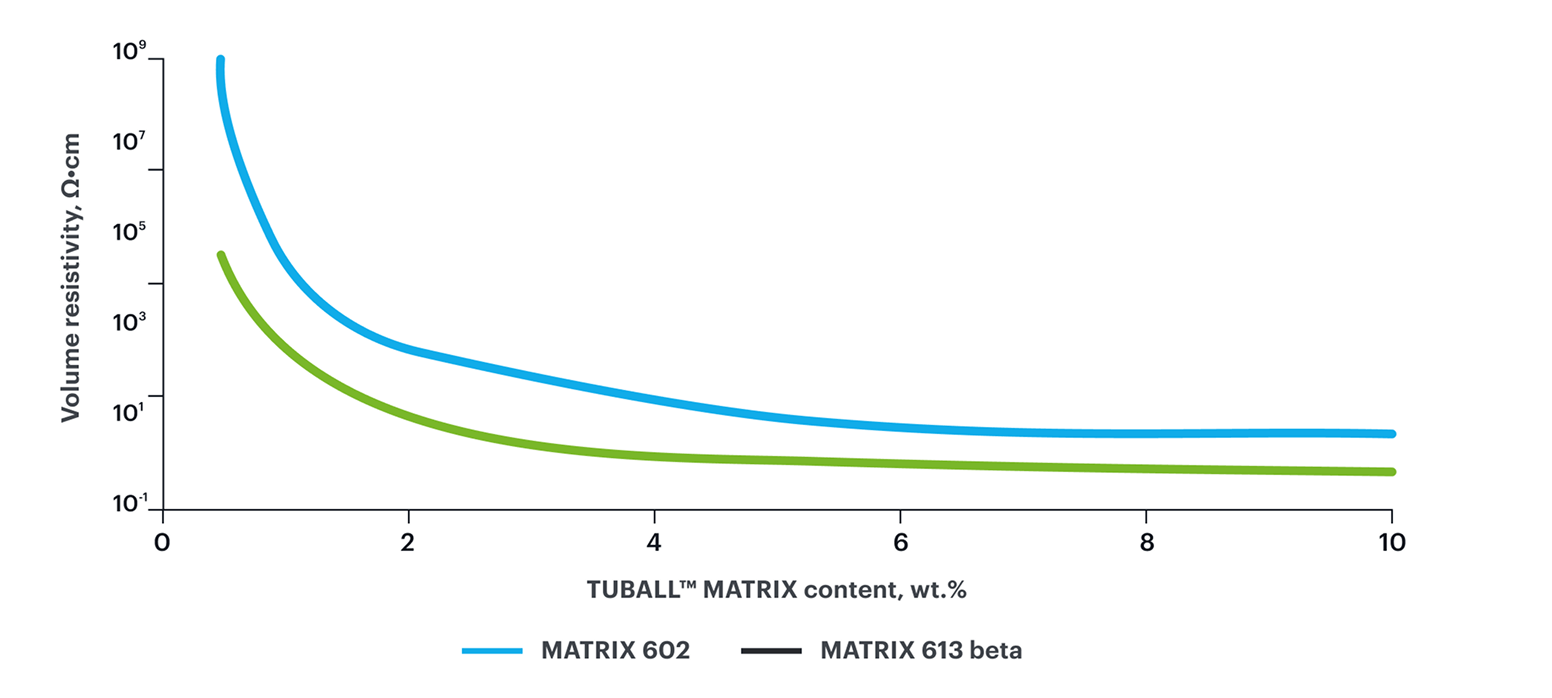

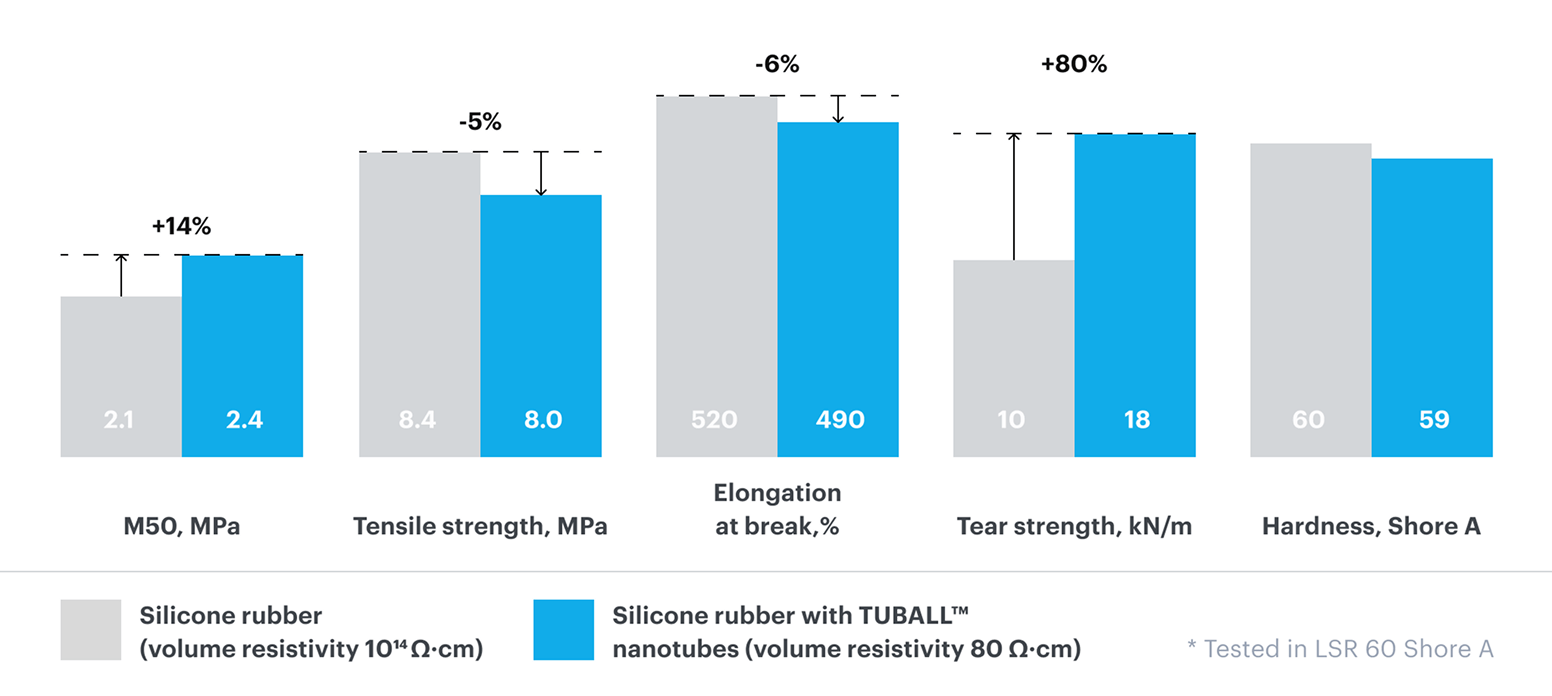
In contrast to conventionally used conductive agents, graphene nanotubes are effective at ultralow dosages, 10 times lower than multi-wall carbon nanotubes (MWCNTs). This enables significantly improved mechanical properties, such as tear strength, while maintaining low viscosity, high operational reliability, and permanent elasticity compared to conventional fillers.

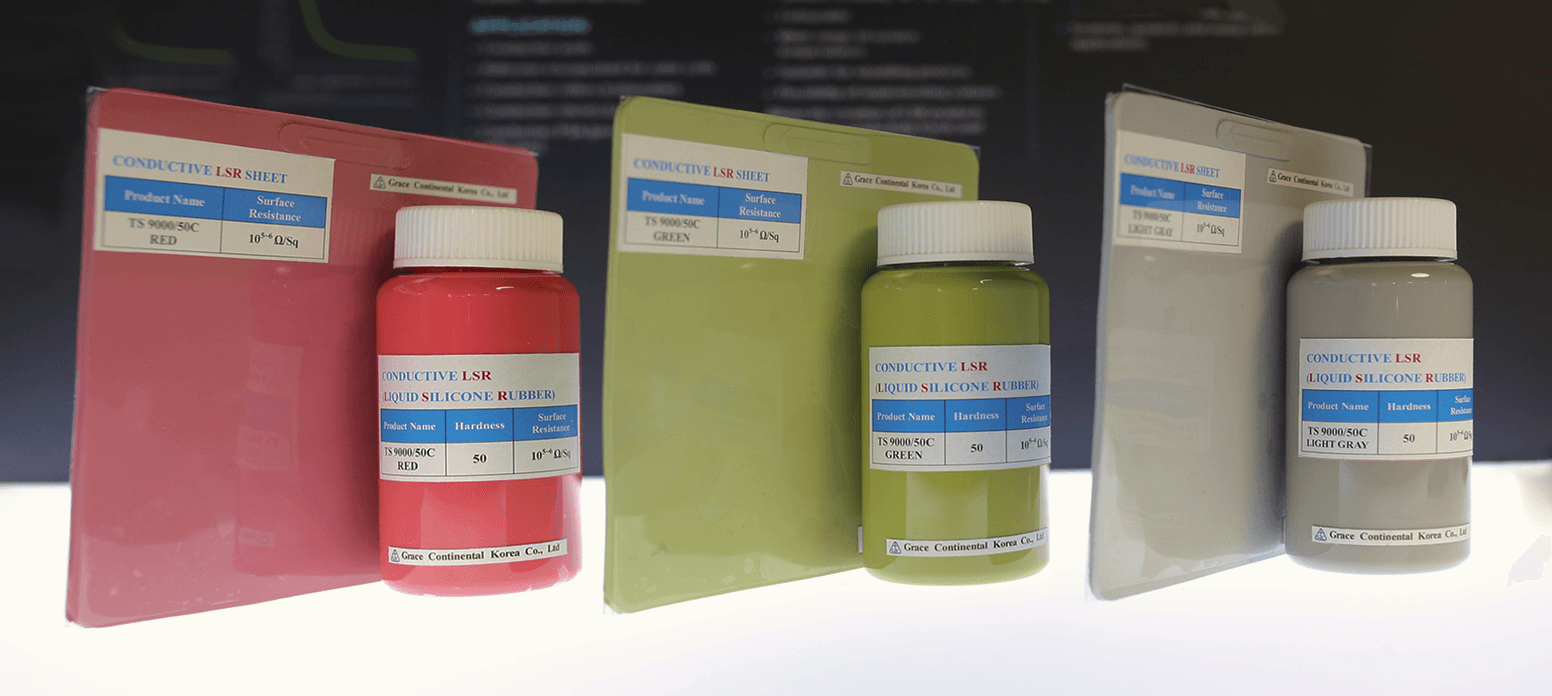
TUBALL™ nanotubes make it possible to preserve bright colors in the final product. Unlike standard conductive additives, which require high dosages that compromise coloring possibilities, graphene nanotubes provide permanent, stable conductivity at an ultralow concentration—preserving both aesthetics and functional performance.
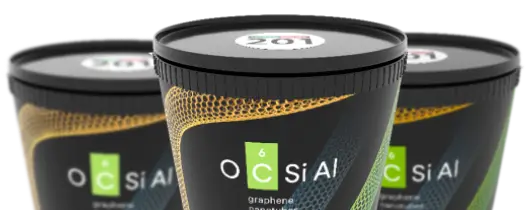




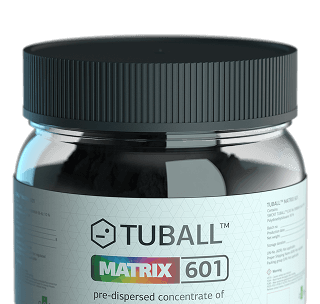
TUBALL™ MATRIX 601 is a concentrate composed of a crosslinking carrier and pre-dispersed graphene nanotubes. It is specifically designed for liquid silicone rubbers (LSR) and room temperature vulcanized rubbers (RTV) to enhance nanotube usability by ensuring an even dispersion of nanotubes in the host matrix while preserving low hardness. It minimizes the impact on compound elasticity, tensile properties, viscosity, and rheological characteristics, and ensures compatibility with standard mixing processes.
Contact us for product processing guidelines and additional technical documentation

TUBALL™ MATRIX 601 je koncentrat grafenskih nanocevi koji je specifično dizajniran da obezbedi superiornu provodljivost u silikonskim smesama (LSR – tečna silikonska guma, RTV – guma vulkanizirana na sobnoj temperaturi) zadržavajući mehaničke osobine i uz minimalni uticaj na matricu domaćina. TUBALL™ MATRIX omogućava ultra niske doze provodnih filera za anti-statičke, statičke raspršene i provodne aplikacije. Proizvodnja provodnih smesa bez gubitka fleksibilnosti ili kompromitovanja mehaničkih osobina.
Kontaktirajte nas za kupovinu proizvoda od nanocevi. Cena zavisi od količine.
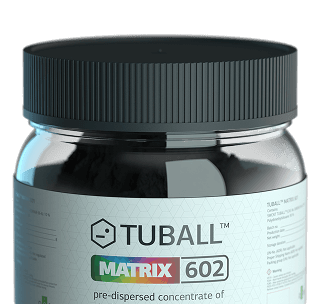
TUBALL™ MATRIX 602 je super koncentrat grafenskih nanocevi na bazi unakrsnog povezivanja nosača za tečne silikonske gume (LSR), gume vulkanizirane na sobnoj temperaturi (RTV) i gume visoke konzistentnosti (HCR) je specifično razvijen da unapredi upotrebljivost nanocevi obezbeđujući finu disperziju nanocevi u matrici domaćina održavajući mekoću.
Cena naših proizvoda od nanocevi sa jednim zidom zavisi od količine. Kontaktirajte nas za personalizovanu ponudu.
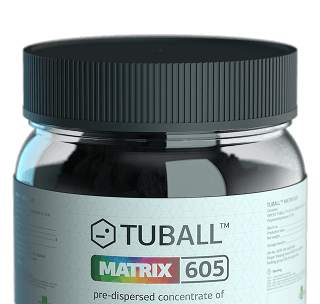
TUBALL™ MATRIX 605 je koncentrat grafenskih nanocevi koji je specifično dizajniran da obezbedi superiornu provodljivost u silikonskim smesama (HCR - gume visoke konzistentnosti) zadržavajući mehaničke osobine i uz minimalni uticaj na matricu domaćina. Provodni aditiv omogućava ultra niske doze koje počinju od 0,5 wt.% za anti-statičke, statičke raspršene i provodne aplikacije.
Kontaktirajte nas za kupovinu proizvoda od nanocevi. Cena zavisi od količine.


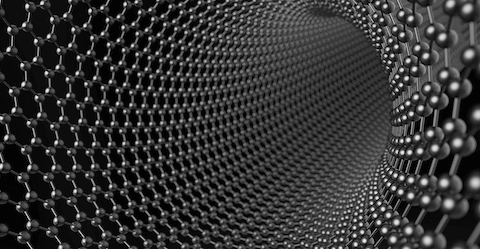
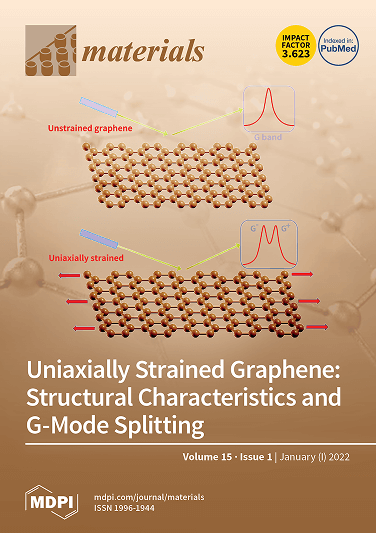
TUBALL™ SWCNT-based nanocomposites and RTV-2 materials were used to fabricate multilayer electronic skin (e-skin) micropatterns via additive manufacturing. SWCNTs provided reliable electrical pathways with low resistivity in micropattern geometries, enabling scalable, low-cost, and flexible e-skin prototypes with promising mechanical and sensing performance.
TUBALL™ dispersed in Ecoflex allows for improved sensitivity with a range from 0.018 (at 500 kPa) to 0.15 kPa⁻¹ (at 5 kPa). The developed sensor accurately detects abnormal activity patterns, such as sudden stops or irregular gait, thereby alerting users to potential safety concerns.
SWCNT/transition metal hybrid nanostructured electrodes was produced. These electrodes exhibit excellent electrothermal properties and flexibility, making them ideal for wearable electronics, semiconductors, energy storage, and catalyst research.
TUBALL™ forms liquid crystalline polyelectrolyte solutions without superacids, enabling safer, scalable production of conductive yarns and coatings. The resulting fibers demonstrate exceptional mechanical (up to 1179 MPa tensile) and electrical (~1.0 MS/m) performance, suitable for wearable electronics such as biometric sensors
The body-heat-powered wearable device offers portable, continuous, wireless monitoring of electromyogram and electrocardiogram captures. TUBALL™-based TEGs show stable performance for 7 days, harvesting a high open-circuit voltage of 175–180 mV from the human body to power wireless bioelectronics for continuous signal detection.
A novel smart contact lens enables noninvasive cholesterol monitoring through tear analysis, offering a convenient alternative to blood tests. The integrated biosensor, enhanced with TUBALL™ SWCNTs, provides high sensitivity and wireless signal transmission.