Graphene nanotubes provide polyurethane with durable anti-static and anti-dust performance, helping artificial leather used in automotive and industrial seating, at medical and pharmaceutical facilities, in safety shoes and workwear, remain clean and protected from electrostatic buildup, with minimal maintenance.
Nanotube-enhanced synthetic leather allows for a wide variety of colors and offers broad design flexibility. Nanotubes also provide non-marking properties to leather as no carbon release occurs at the material’s surface. Such synthetic leather can be a high-performance, long-lasting alternative to expensive, hard-to-maintain genuine leather and other textile materials.
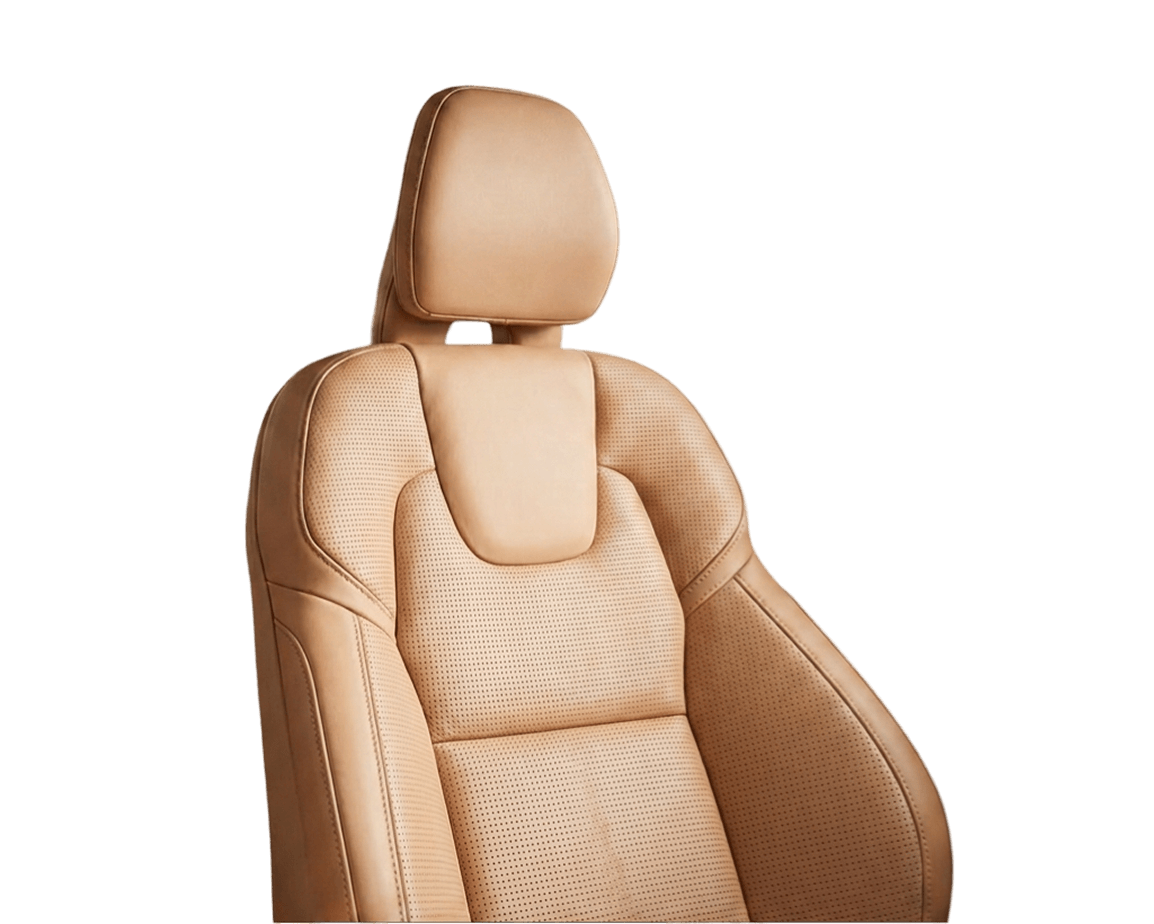





PU synthetic leather is widely used as an alternative to natural leather due to its consistent quality, controlled properties, and suitability for large-scale production. Unlike natural leather, which can vary in structure, thickness, price, and appearance, PU materials are engineered to deliver uniform performance and predictable processing behavior, reducing waste and improving manufacturing efficiency. In addition, PU leather allows precise adjustment of mechanical and surface properties to meet specific application requirements. It also enables the incorporation of functional additives. For example, anti-static PU leather can provide controlled electrical conductivity for ESD-sensitive environments or added functionality.

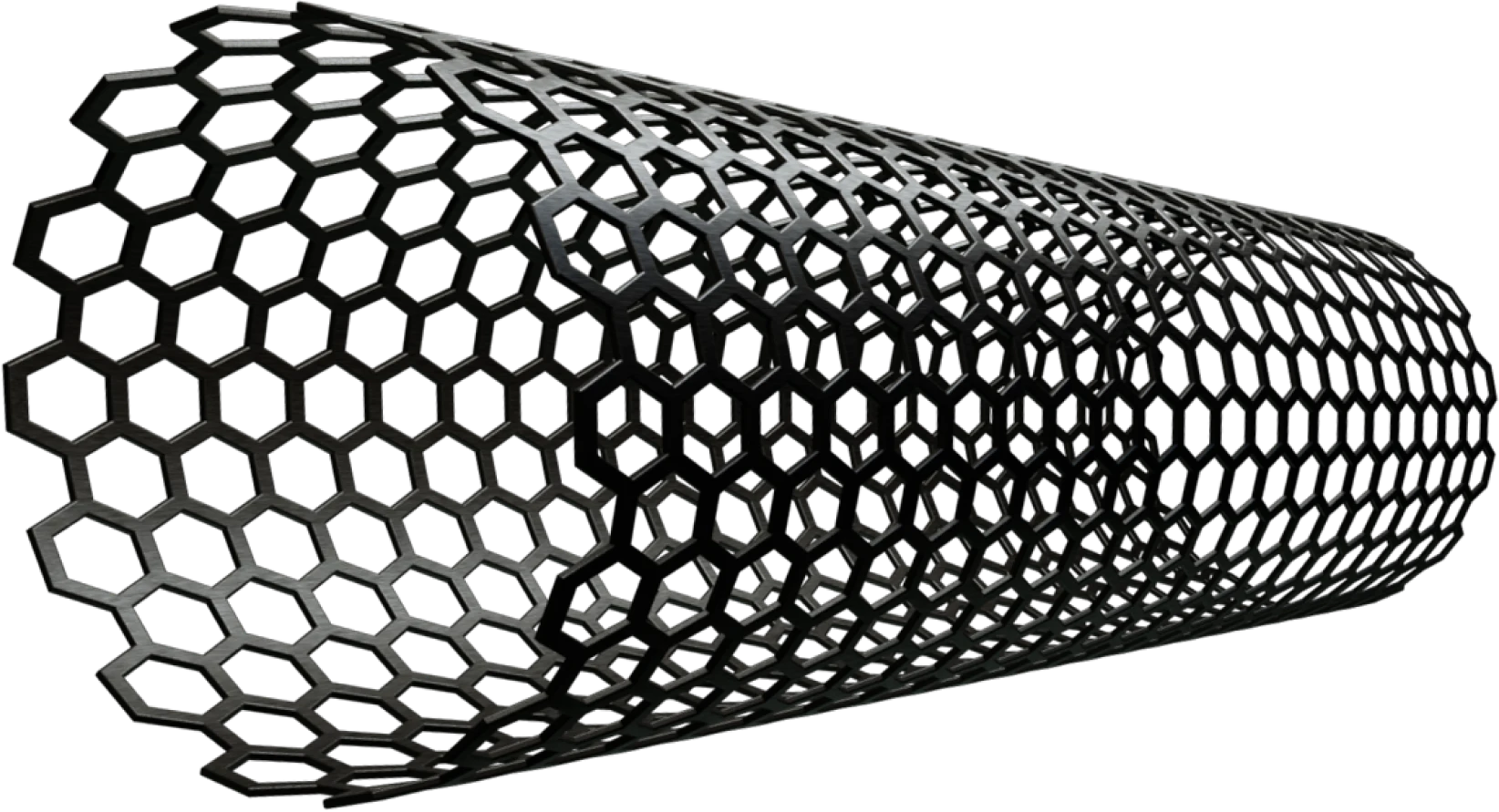
TUBALL™ graphene nanotubes provide an excellent combination of properties for polyurethane. In contrast to carbon black, they enable conductivity in polyurethane while preserving hardness and tensile strength. The advantage of nanotubes over ammonium salts is in enabling permanent electrical conductivity in thermoset compounds.
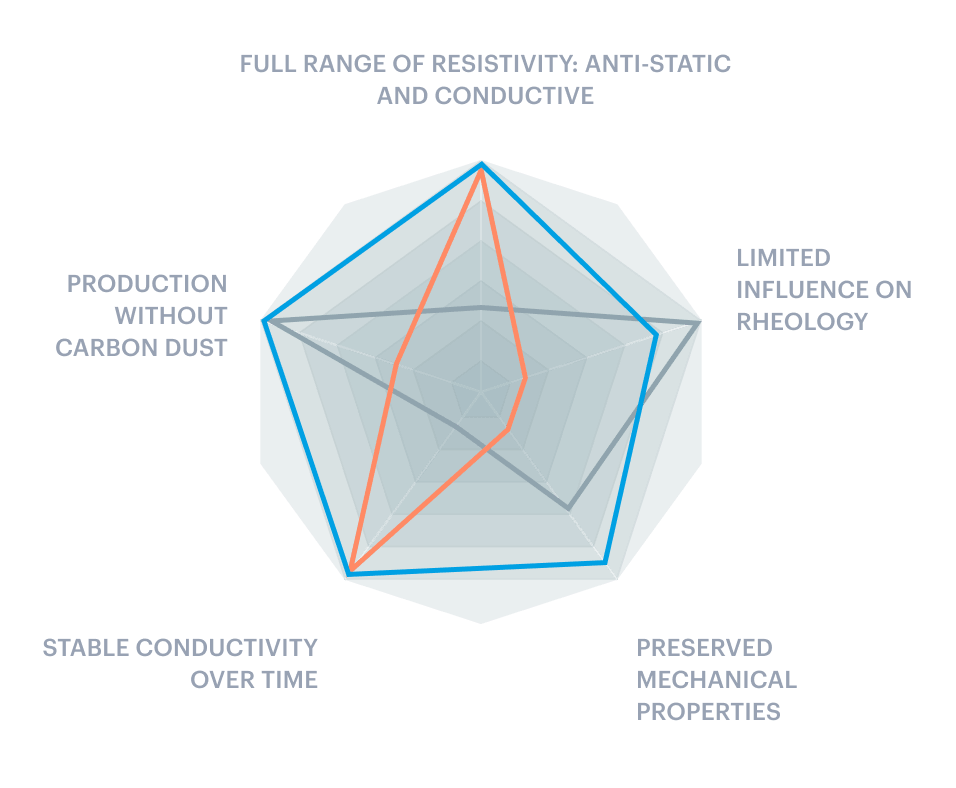
* This diagram provides average trends compared with other additives, based on OCSiAl data. Product performance may vary depending on product type and formulation.

TUBALL™ graphene nanotubes form a uniform 3D conductive network, enabling stable anti-static to conductive performance without degradation throughout the entire service life and without insulative “hot spots.” This helps surfaces such as car seats and hospital beds repel dust, prevent static buildup, and helps protect sensitive electronic devices from electrostatic discharge.
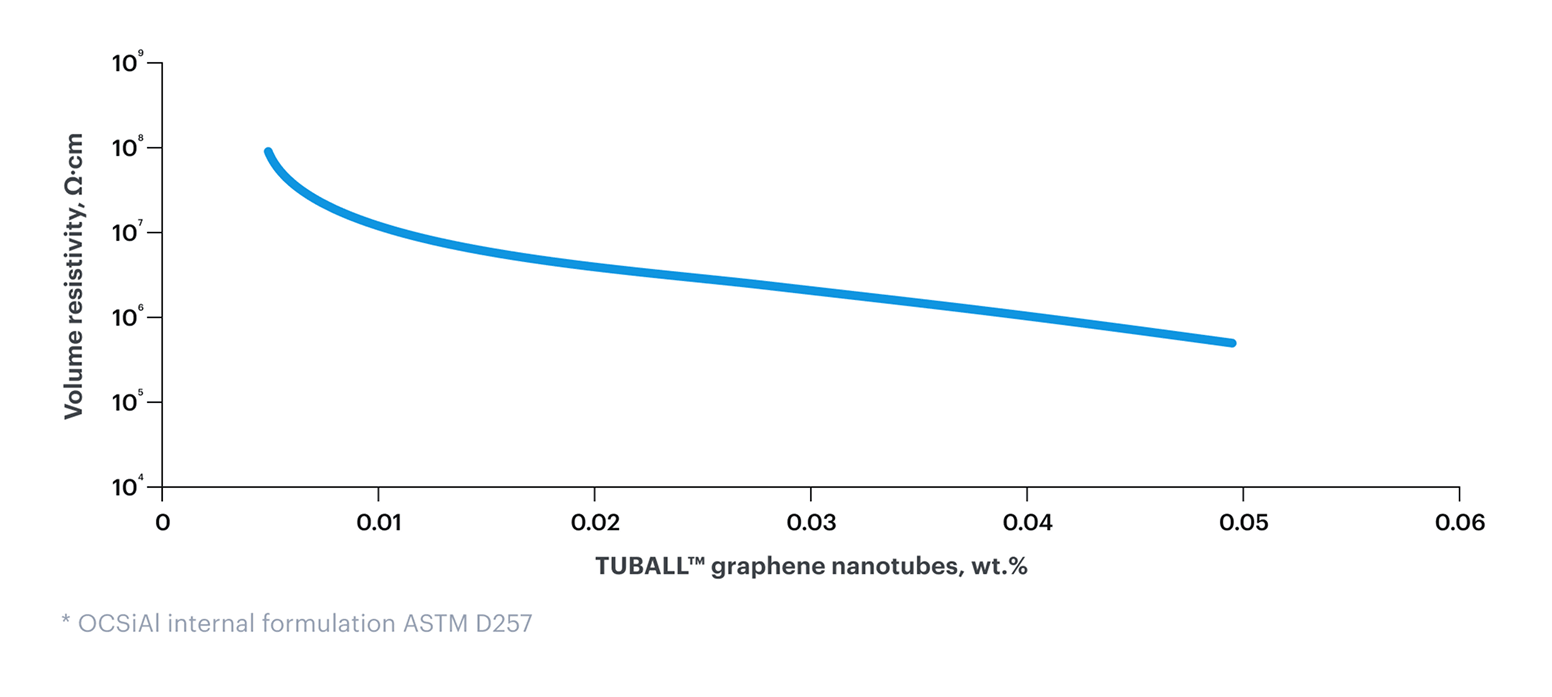

The tiny working amount of TUBALL™ graphene nanotubes makes it possible to combine electrical conductivity with broad color possibilities, helping to maintain good aesthetics.
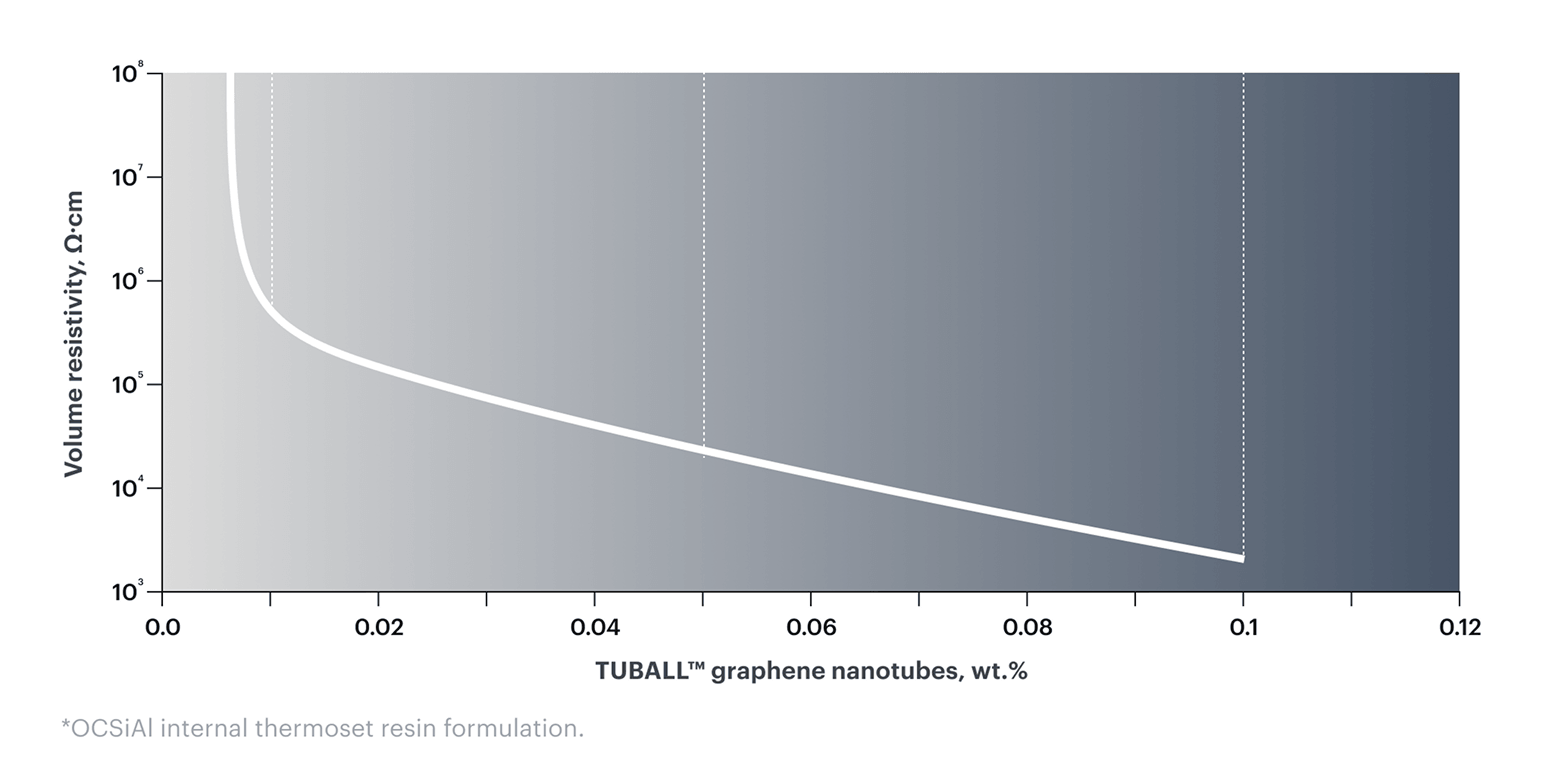
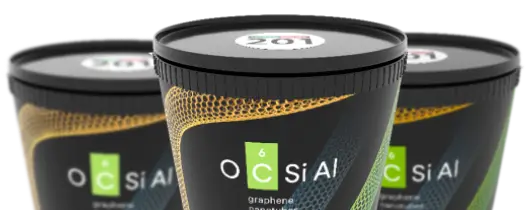





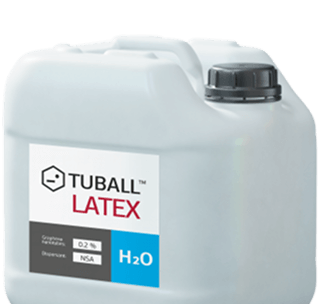
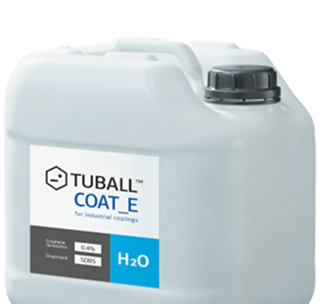
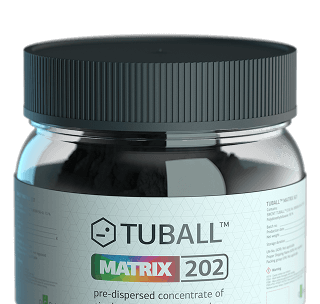
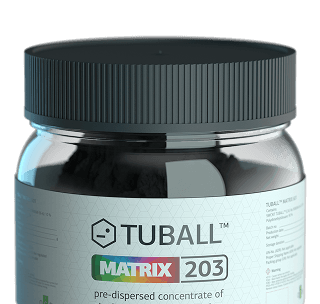
TUBALL™ nanotube-based concentrates and suspensions are formulated using polymer carriers with pre-dispersed TUBALL™ graphene nanotubes. They are designed for easy integration into standard processing and formulation systems. Solutions are available for hot-cast, solvent-free, solvent-based, water-based, and latex polyurethane systems, and are suitable for rigid, flexible, and foam PU applications.
Contact us for product processing guidelines and additional technical documentation
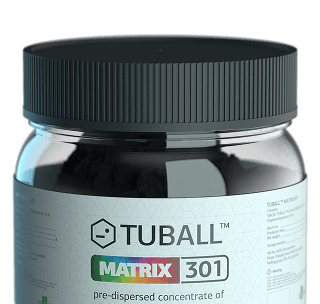
Agente antiestático para compuestos de látex de color: solución de fácil uso, que garantiza el cumplimiento de las normas de protección contra la acumulación de carga estática
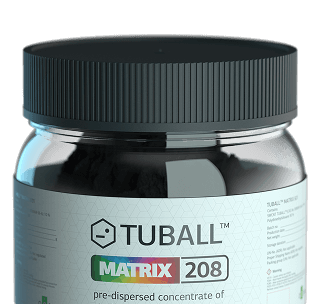
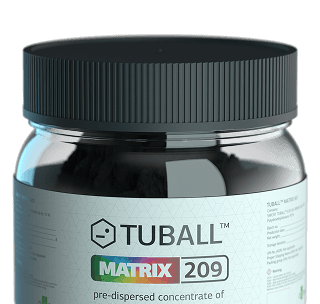
Aditivo conductivo para PU aromático y alifático sin disolventes (poliéster, poliéter, TDI/MDI, otros) y sistemas fenólicos. Se utiliza ampliamente para revestimientos de PU y elastómeros fundidos. Impacto mínimo en la resina receptora debido a la menor dosis de trabajo en comparación con TUBALL™ MATRIX 209
Aditivo conductivo basado en un plastificante con un agente estabilizador para recubrimientos epoxi y PU con disolvente sin afectación en el color y las propiedades mecánicas
Aditivo conductivo basado en un plastificante con un agente estabilizador para recubrimientos epoxi y PU con disolvente sin afectación en el color y las propiedades mecánicas
Aditivo conductivo para PU aromático y alifático sin disolventes (poliéster, poliéter, TDI/MDI, otros) y sistemas fenólicos. Se utiliza ampliamente para revestimientos de PU y elastómeros fundidos. Fácil de diluir en comparación con TUBALL™ MATRIX 202
Aditivo conductivo basado en un surfactante para recubrimientos epoxi y PU sin disolventes y sin afectación en el color y las propiedades mecánicas. También se recomienda para los compuestos de epoxi.

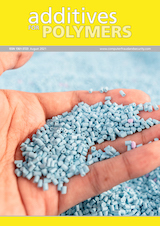
Tuball™ products are not only able to overcome the previous difficulties with nanotube dispersion in PU systems, but they are also effective replacements for the ammonium salts and carbon black antistatic agents conventionally used in PU applications.