Clean-room gloves classified as ISO Class 4–8 must be anti-static to prevent electrostatic discharge (ESD), which can damage sensitive electronics or disrupt production. Graphene nanotubes are the only material currently available on the market that provides a permanent, humidity-independent anti-static effect in nitrile gloves while requiring only minimal changes to the manufacturing process. The resulting electrical conductivity not only ensures reliable ESD protection in compliance with clean-room glove standards (IEC 61340-4-9 and ANSI STM11.11) but also enables seamless touch-screen use without removing the gloves and wide color variety.
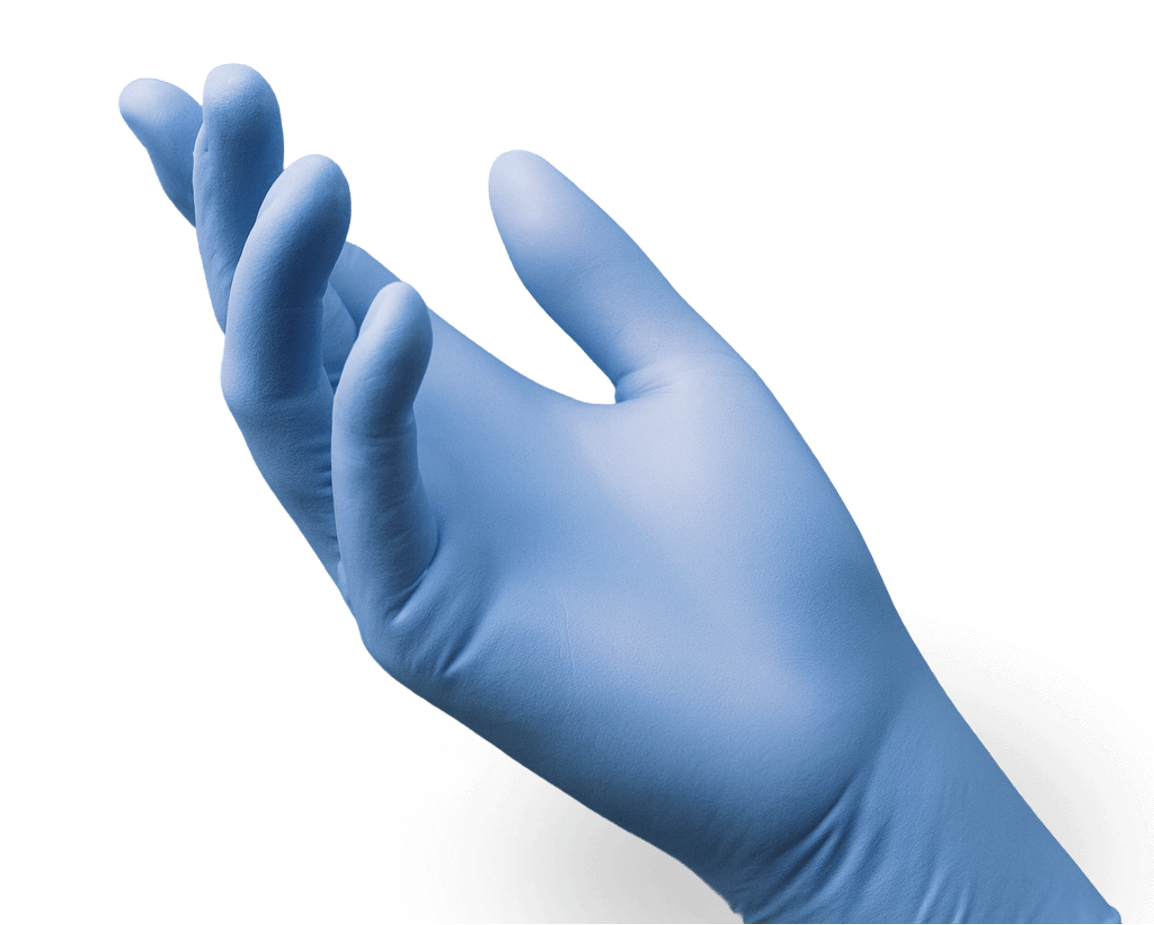






Clean-room gloves are essential for contamination control and ESD protection, primarily in electronics, semiconductors, aerospace, and pharma. They protect both workers and sensitive products. Anti-static gloves are engineered to safely dissipate static electricity from workers’ hands, protecting sensitive equipment and processes in such environments as electronics manufacturing or pharmaceutical production sites. To ensure effective ESD protection, they must meet strict volume resistivity requirements—below 10⁵–10¹¹ Ω—in compliance with the IEC 61340-4-9 / ANSI STM11.11 standards as well as preserving other vital properties such as particle generation, low outgassing, clean-room classification, and chemical resistance.

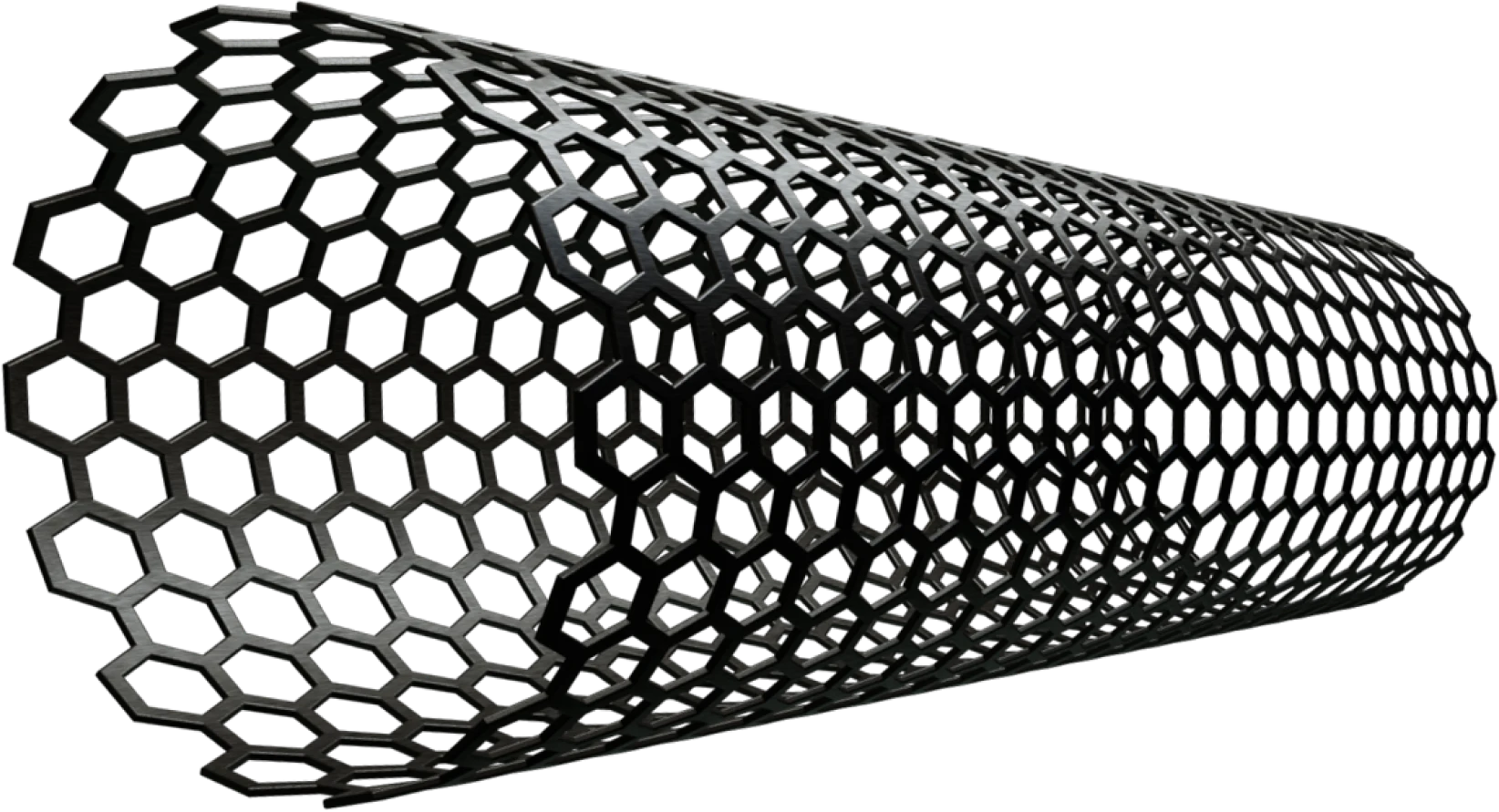
Ultra-long, electrically conductive, and flexible, graphene nanotubes form a 3D conductive and reinforcing network inside materials at extremely low dosages of 0.06–0.1 wt.%. The unique properties of nanotubes make it possible to maintain resistance to microbial attack, abrasion, alkali, and hydrolysis, while enhancing durability, ESD reliability, and a special soft-feel effect. This allows them to show better results compared to conventional conductive agents in all parameters of the modified material.
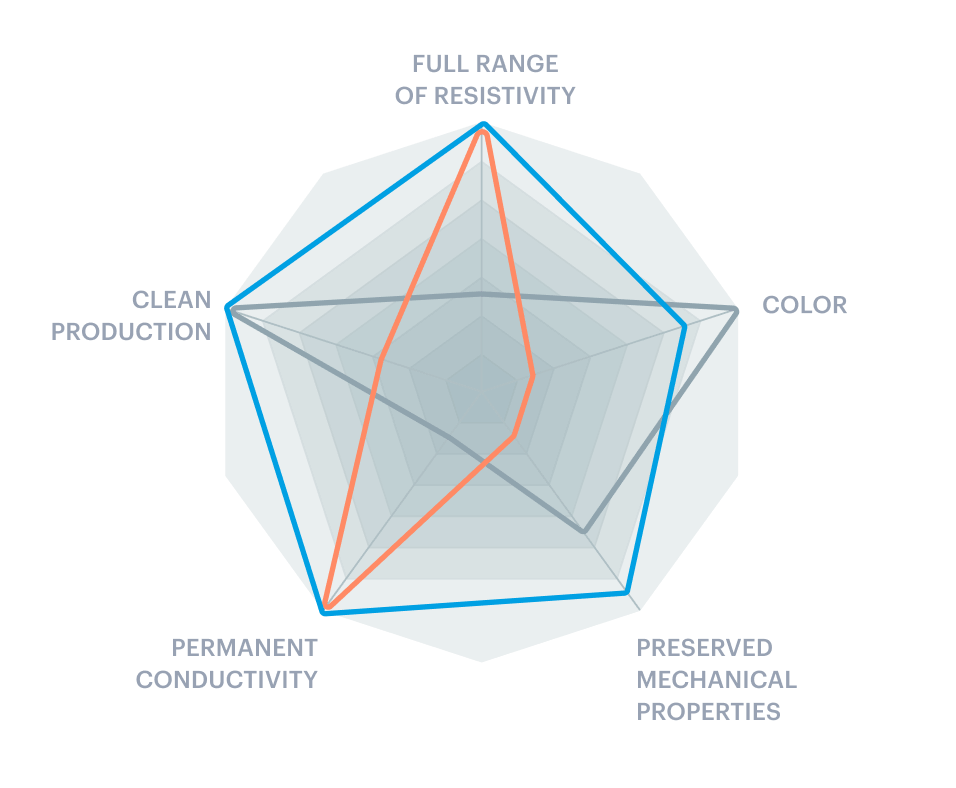
As industrial automation advances, ESD safety standards are becoming stricter. The IEC 61340-4-9 / ANSI STM11.11 and EN 16350 standards for gloves raised the bar, limiting the use of many traditional anti-static additives. Graphene nanotubes rise to the challenge, delivering permanent, humidity-independent conductivity that fully complies with the latest standards in ESD protection as well as providing required performance to clean-room gloves suitable for electronics, semiconductors, EV batteries, and many more applications classified as ISO Class 4–8.
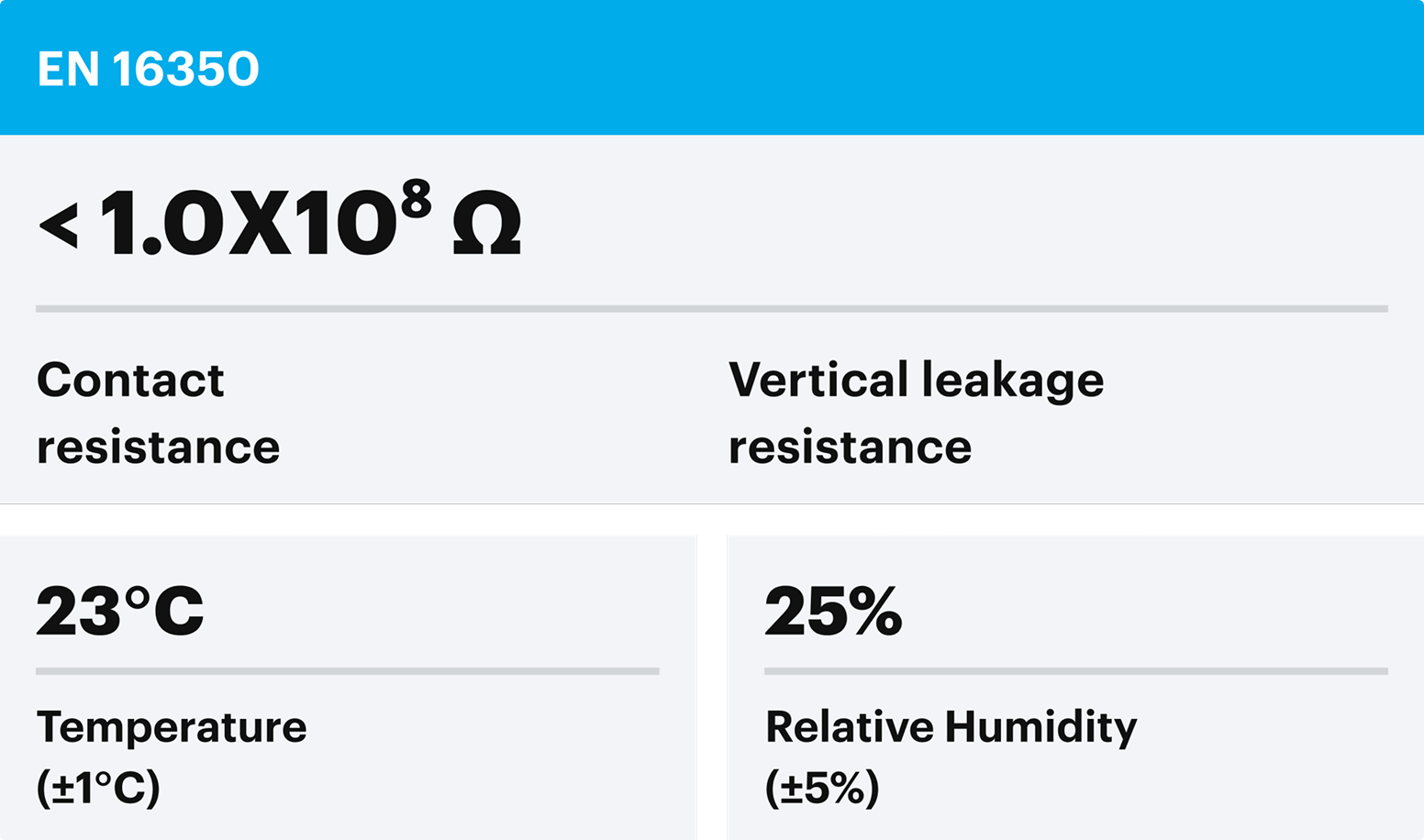
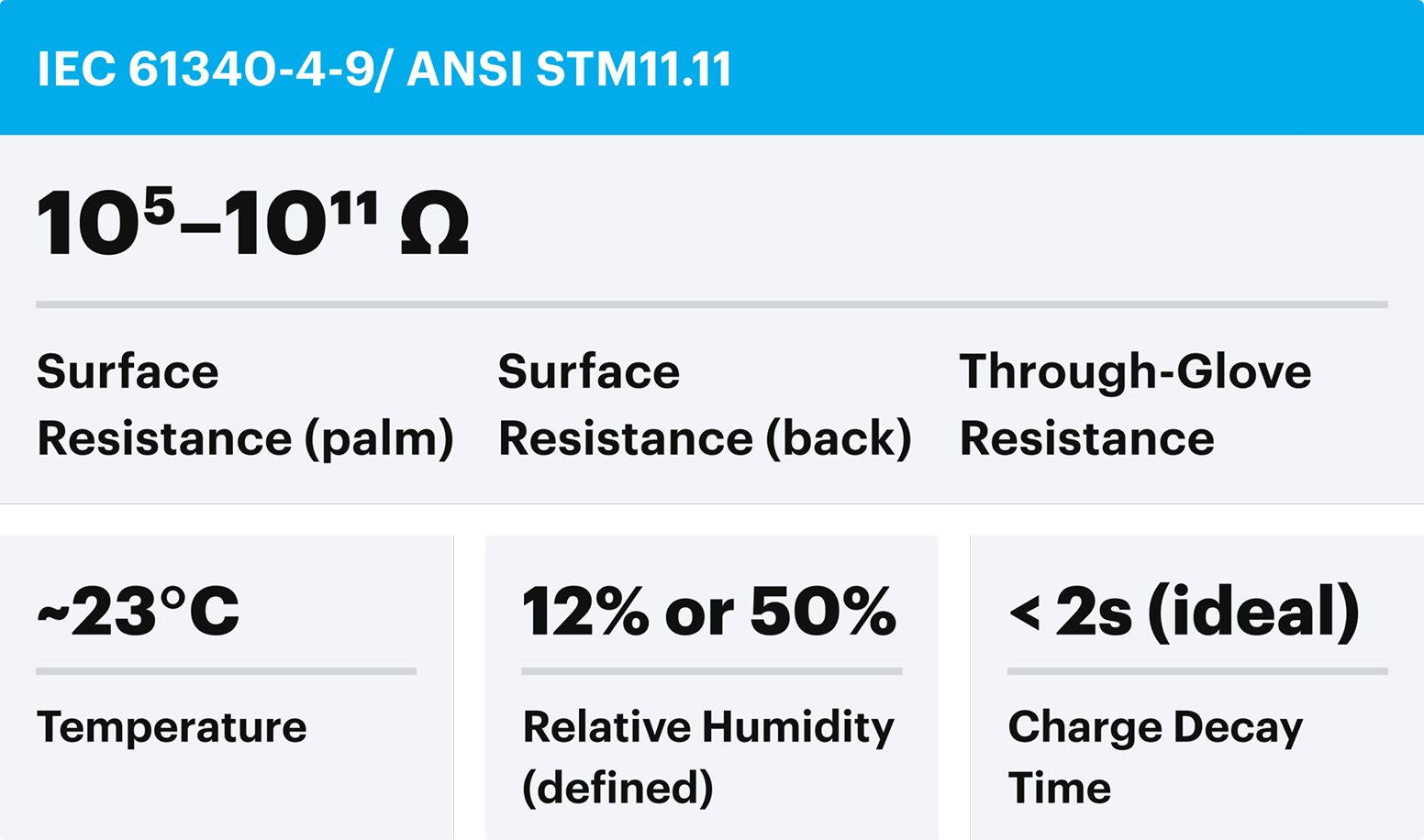

Thanks to an ultralow working dosage, graphene nanotubes make it possible to achieve required anti-static performance in all water-based latex systems while preserving color variety.


TUBALL™ graphene nanotubes deliver reliable anti-static protection while enabling seamless touch-screen use—no need to remove your gloves. They protect both workers and sensitive products, combining safety with convenience.

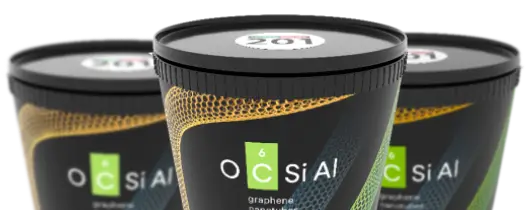






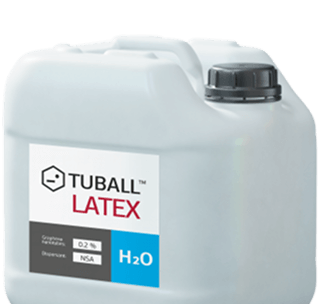
TUBALL™ LATEX is a water-based suspension with high-quality dispersed TUBALL™ graphene nanotubes and is compatible with all latex types. It is designed to integrate seamlessly with standard processes and equipment. The dispersion can be added during the latex compounding stage and doesn’t affect the manufacturing process.
Contact us for product processing guidelines and additional technical documentation
Agent antistatique pour composés de latex colorés : une solution simple d’utilisation, entièrement conforme aux réglementations de protection contre l’accumulation de la charge statique