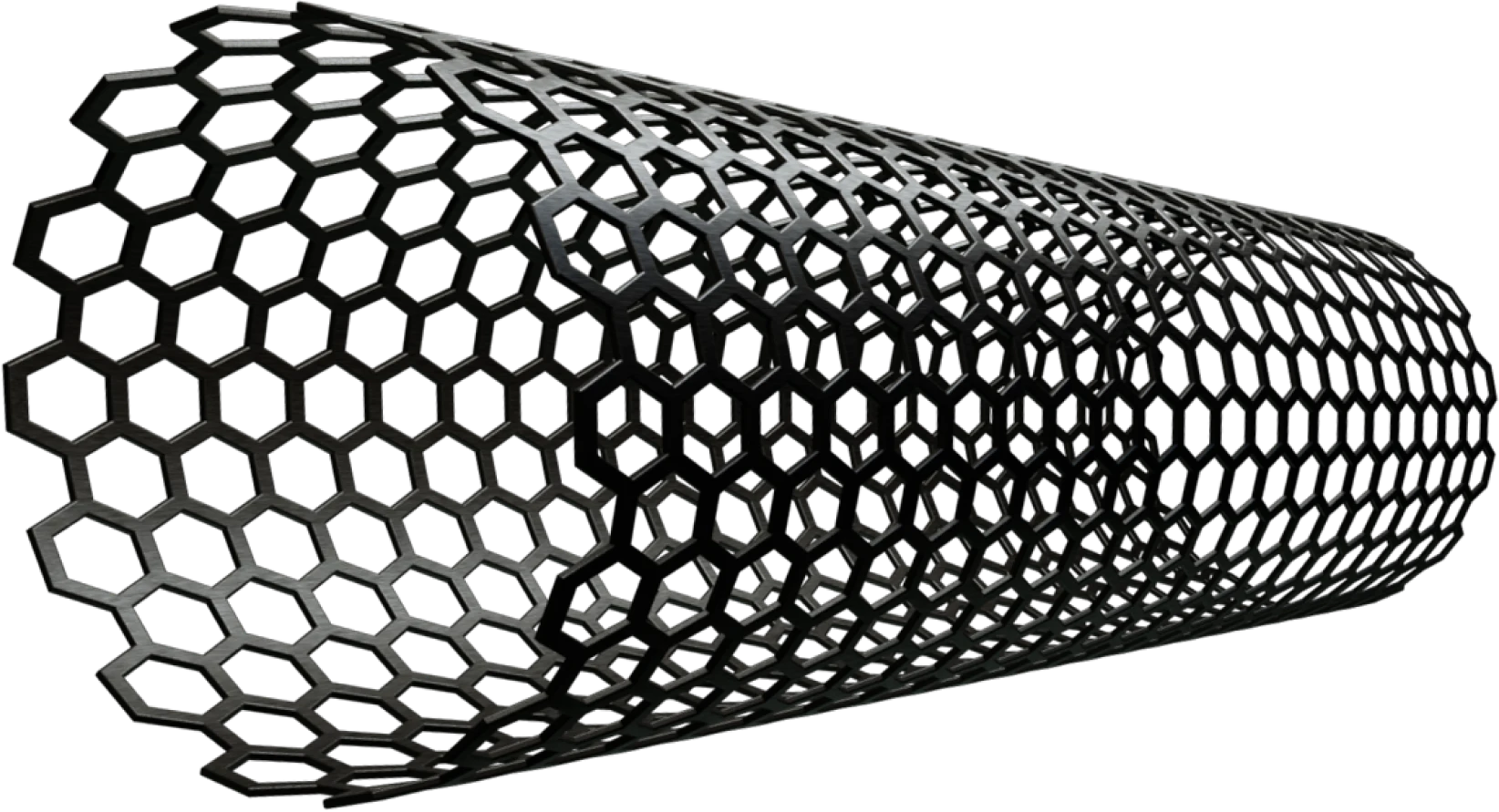
Anti-static clothes empowered by graphene nanotubes ensure compliance with ATEX zone regulations and protect workers from the risk of sudden electrostatic discharge (ESD), high temperatures, sparks, and splashes of molten metal. Thanks to their unique structure, and additionally to their exceptional conductive properties, graphene nanotubes maintain the fabric’s original strength and comfort, providing an option for breathability and flame resistance, while guaranteeing no carbon dust on the surface, no changes to manufacturing processes, and no limitations in color or design, in contrast to other anti-static additives. These benefits make graphene nanotubes a superior alternative to carbon black, liquid conductive agents, and conductive yarns—raising the bar for anti-static protective clothing in high-risk environments.
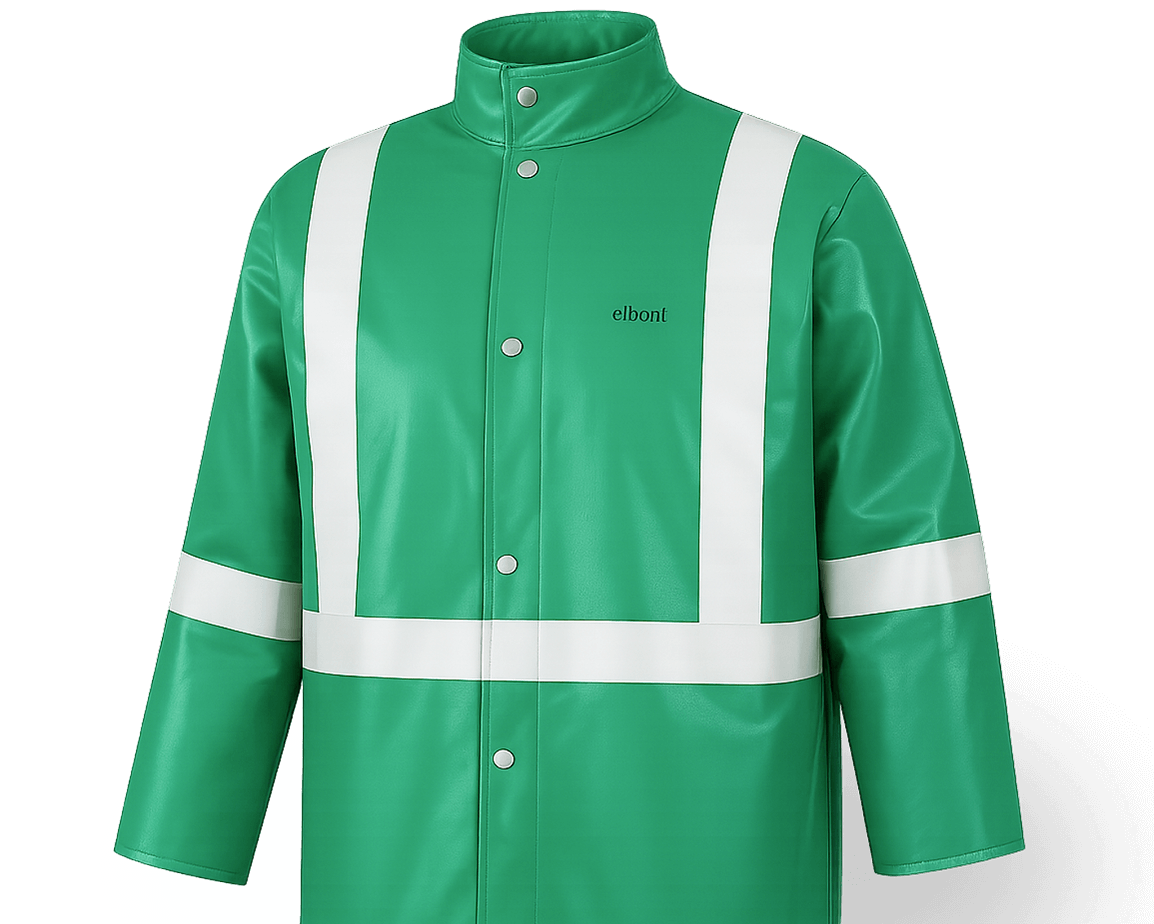






In many industries, static electricity is a serious hazard. Friction-generated sparks can ignite flammable substances, damage electronics, and injure workers. ESD-sensitive environments—such as electronics manufacturing and ATEX zones—require anti-static protective workwear. Conductive clothing helps safely dissipate static charge. Anti-static textiles reduce fire and explosion risks, protect equipment, and improve the safety and comfort of workers.

Unlike other additives, TUBALL™ graphene nanotubes deliver good performance of all key parameters of textile. Effective at ultralow doses, nanotubes provide anti-static performance without affecting a fabric’s mechanical properties, color, or production processes. Unlike carbon black, they produce no dust and leave no carbon on the surface, while minimally impacting formulation viscosity and density.
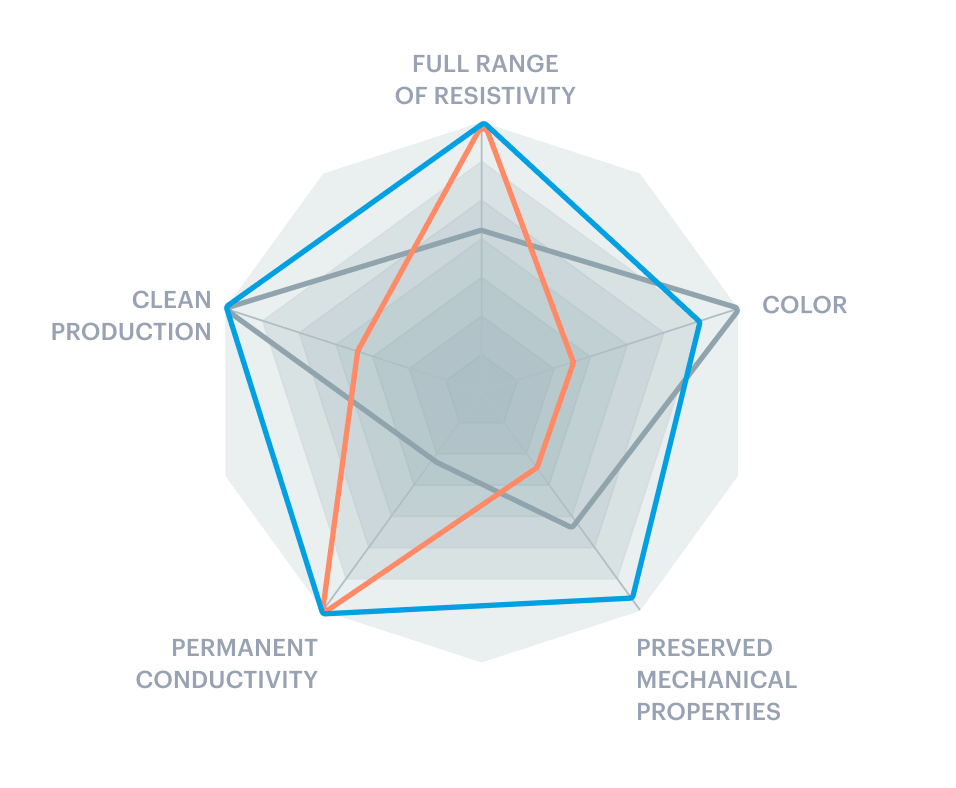
* this diagram provides average trends compared with other additives, based on OCSiAl data. Product performance may vary depending on product type and formulation.

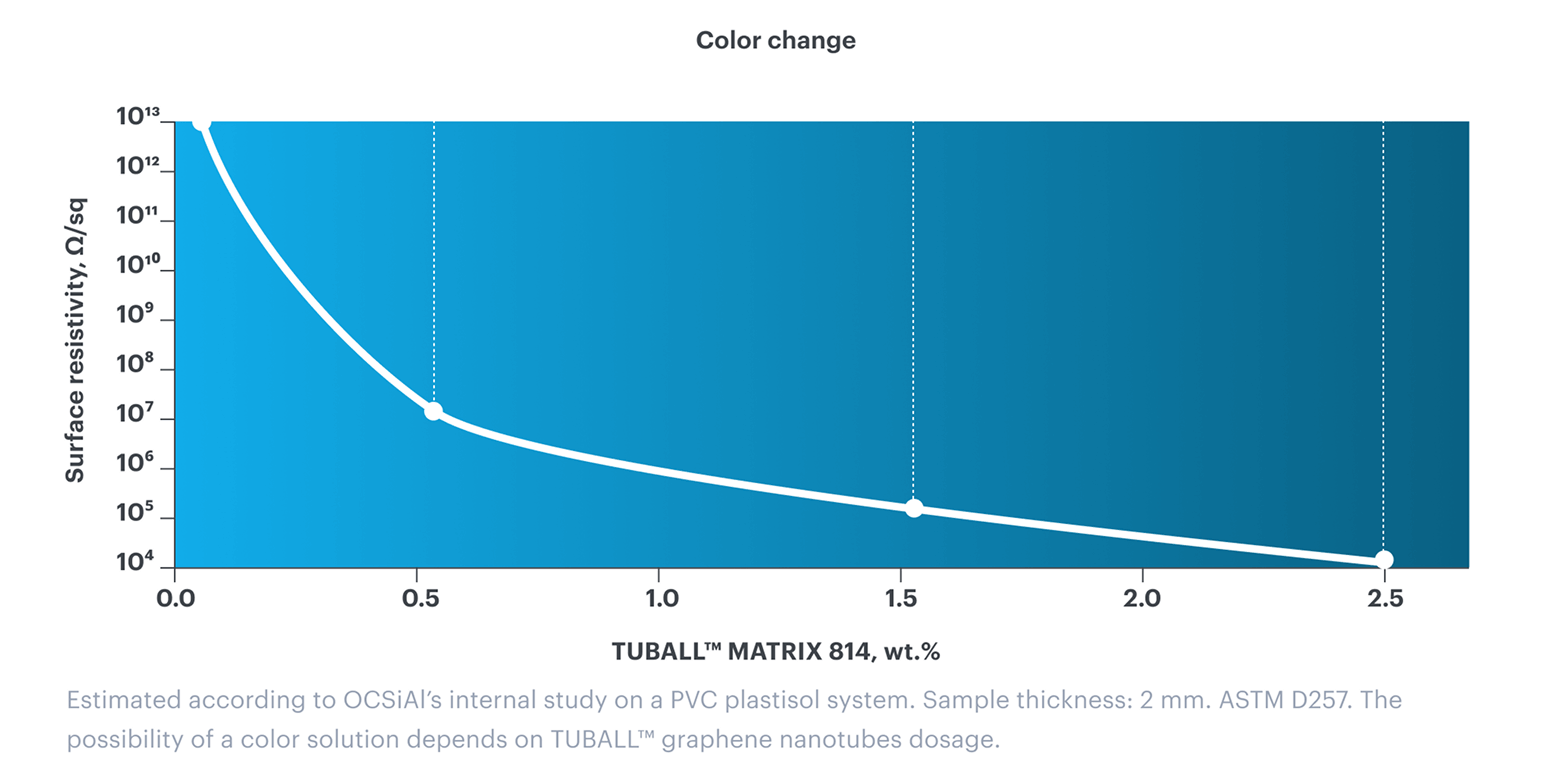
TUBALL™ nanotubes enable a full range of electrical resistance—from anti-static to conductive—making them suitable for various textile types and applications. This ensures reliable ESD protection for safety wear and compliance with standards requiring resistance values typically between 10³ and 10¹¹ Ω.
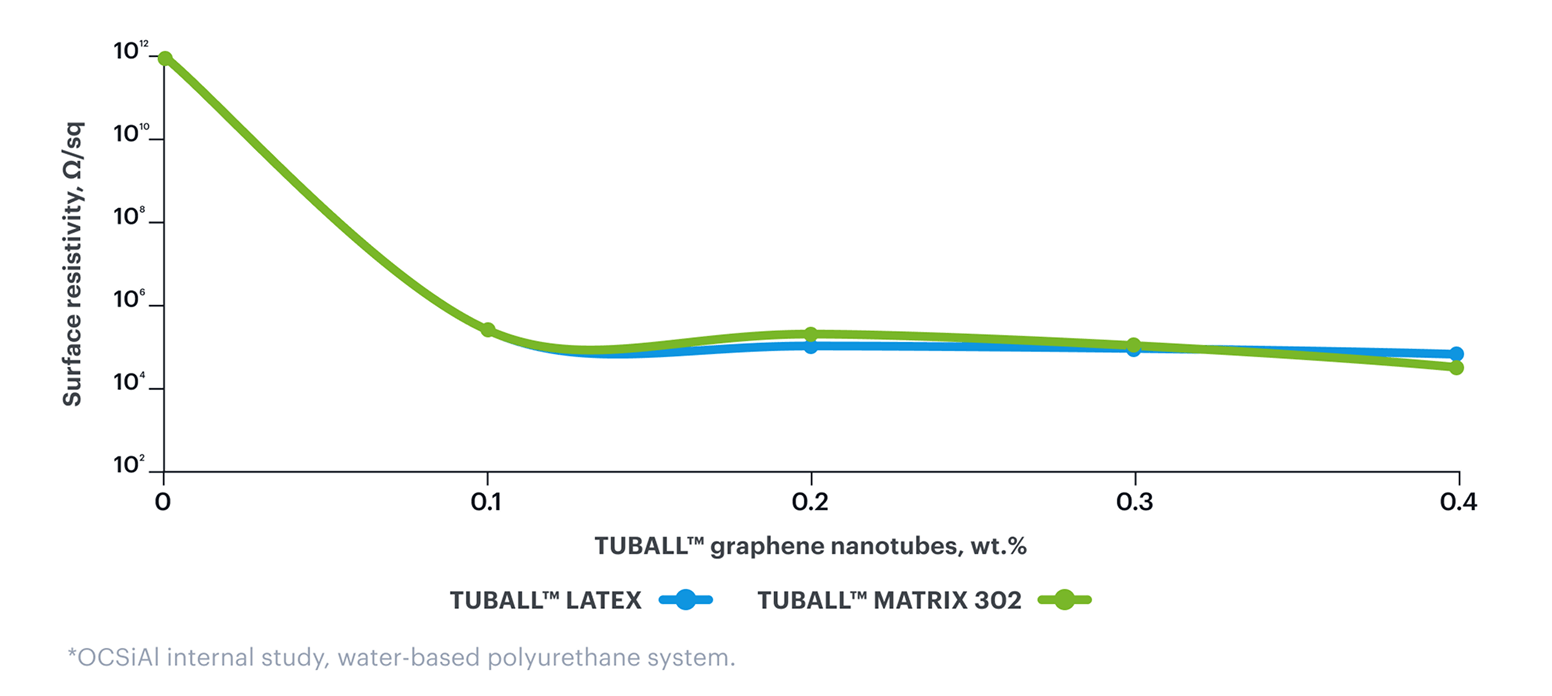

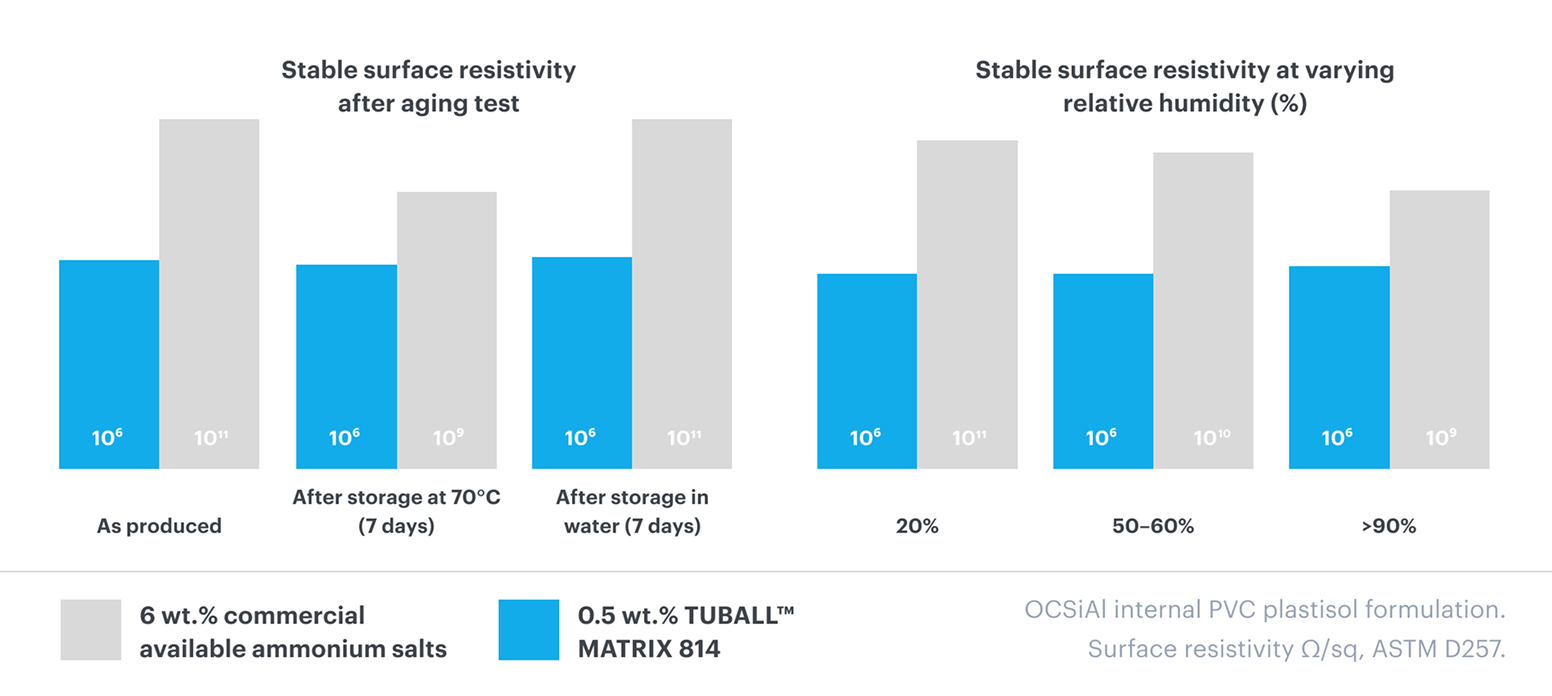
The consistent conductive performance provided by TUBALL™ nanotubes remains stable over time and is unaffected by humidity or aging.
TUBALL™ graphene nanotubes make it easy to meet all major industrial standards for ESD protection in safety wear, including EN ISO 18080, EN ISO 20345, ASTM F1506, ANSI/ESD STM2.1, EN 61340, EN 16350, ATEX Directive 95/2014, and others, which are used in critical sectors such as oil and gas, chemical processing, pharmaceuticals, electronics manufacturing, healthcare, and automotive.

The required extremely low dosage of TUBALL™ graphene nanotubes creates the opportunity to produce colorful solutions where desired.






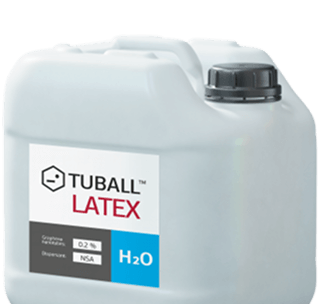
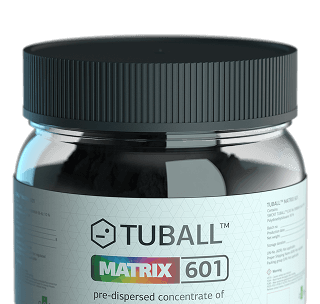
The use of TUBALL™ graphene nanotubes in the form of concentrates and suspensions streamlines nanotube handling at standard PPE production facilities, enabling clean and efficient processes. These solutions are specifically designed for a wide range of systems—including solvent-free and solvent-based polyurethane, acrylic, silicone rubber, PVC plastisol, and latex—and can be easily integrated into standard production processes at the mixing or compounding stages.
Contact us for product processing guidelines and additional technical documentation

Agente antistatico per composti di lattice colorati: una soluzione facile all´uso che garantisce la piena conformità alle norme di protezione contro l'accumulo di cariche statiche
Additivo conduttivo a base di tensioattivo con un tensioattivo per le resine fenoliche, i rivestimenti in PU e acrilici a base di acqua senza difetti nel colore e nelle proprietà meccaniche. Ampiamente applicato nei rivestimenti acrilici a base di acqua.
Agente elettricamente conduttivo non reticolato per siliconi liquidi, che non influisce negativamente sul colore , sulla viscosità e sulla durata del materiale
Agente elettricamente conduttivo reticolato per siliconi liquidi, che non influisce negativamente sul colore, sulla viscosità e sulla durata del materiale