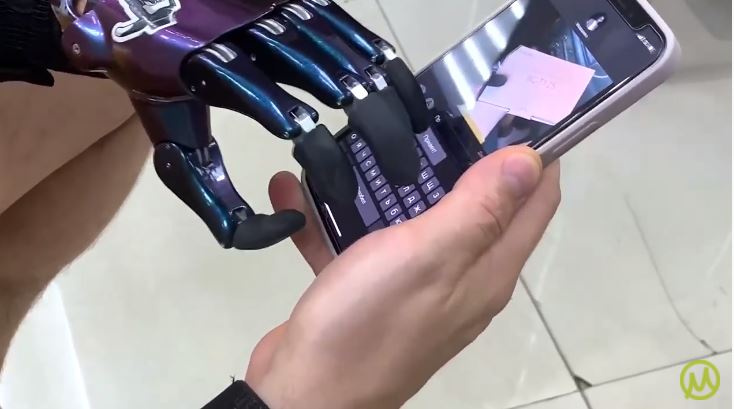
TUBALL™ graphene nanotubes incorporated into the silicone fingertips of a bionic prosthetic arm enable the seamless integration of actuators, sensors, and electronic components that transmit electrical currents. This innovation provides bionic prostheses with touch-screen capability while preserving the softness and flexibility of the material without surface contamination.
Utilizing graphene nanotube-enhanced electrically conductive silicone, it becomes possible to add touch-screen functionality without requiring internal electronic circuits to generate and transmit electrical currents to the fingertips. This significantly reduces the cost of touch-screen-enabled prostheses, making them affordable. Thus, even a basic body-powered prosthesis can be touch-screen compatible.
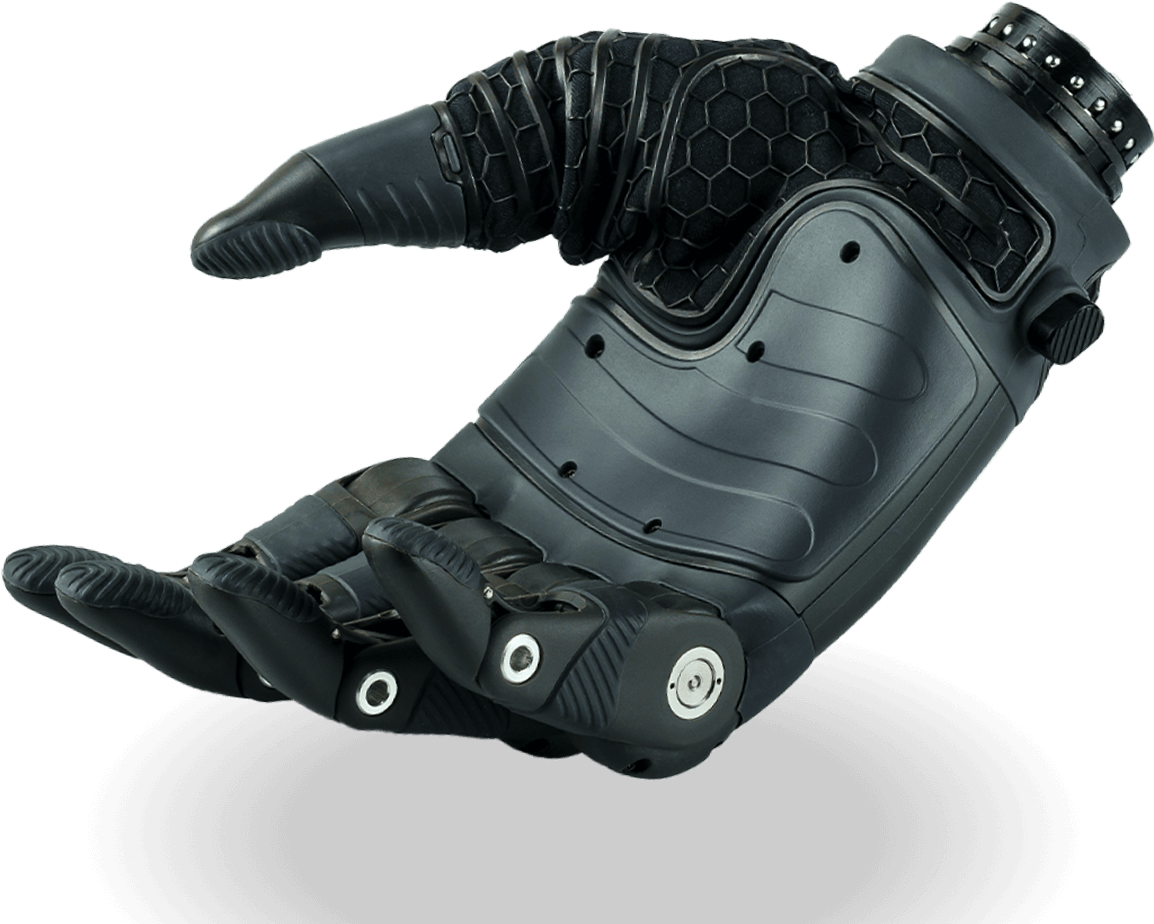






Bionic prosthetics are advanced artificial limbs that replicate the natural movement and sensory feedback of real body parts. They achieve this by connecting directly to the user’s muscles and nerve endings, allowing seamless control and interaction.
Electrical conductivity is essential for bionic prosthetics because it enables the transmission of signals between the user’s nervous system and the prosthetic device, while also allowing the prosthetic device to interact with smart gadgets featuring touch-screen capability, making the prosthetic more intuitive and functional.

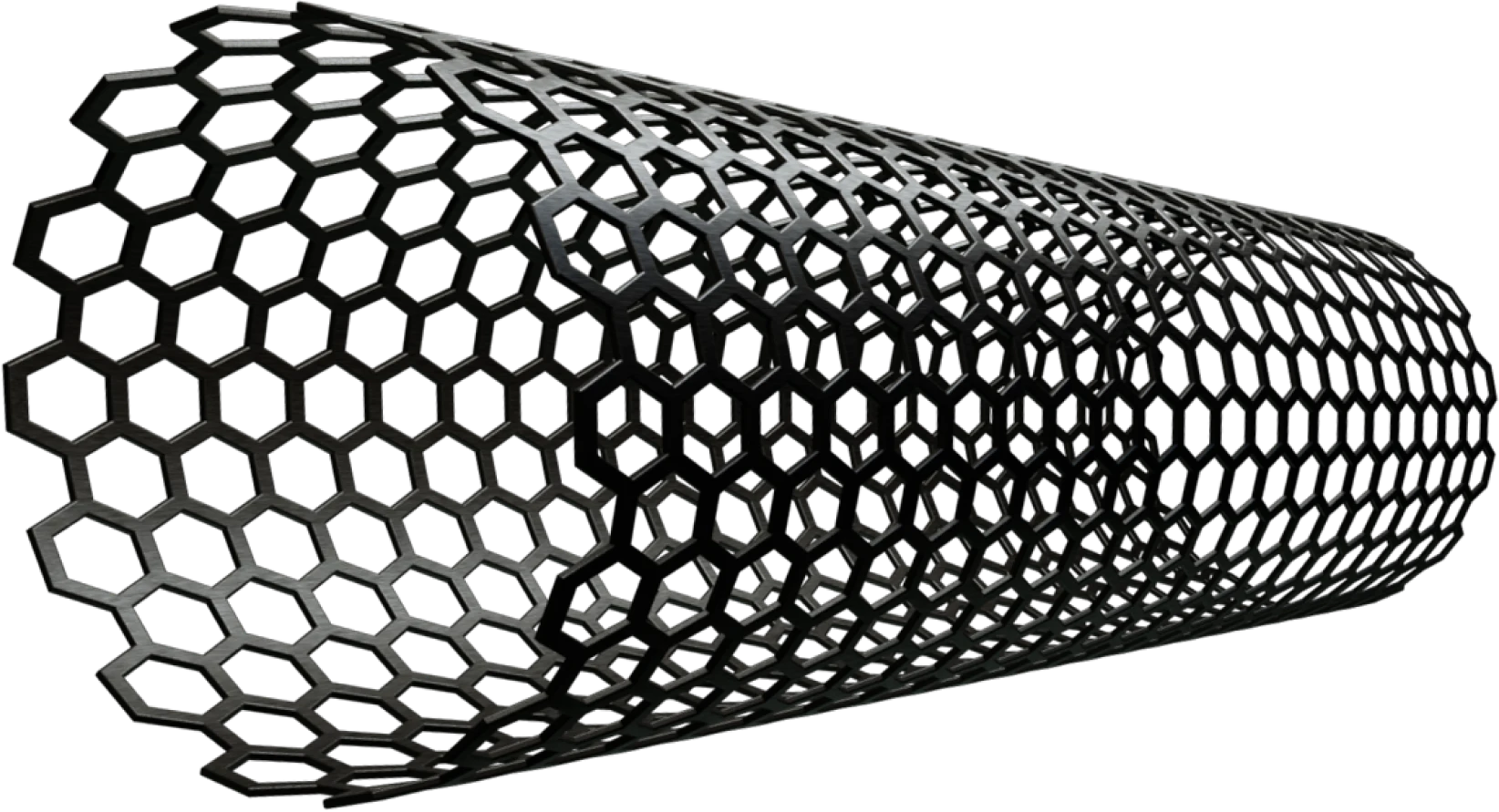
TUBALL™ graphene nanotubes in room temperature vulcanized (RTV) silicone rubber form a conductive 3D network, ensuring stable, permanent electrical resistance of 70–200 Ω. This enables the silicone to transmit electrical impulses from the human body, making prosthetics touch-screen compatible.
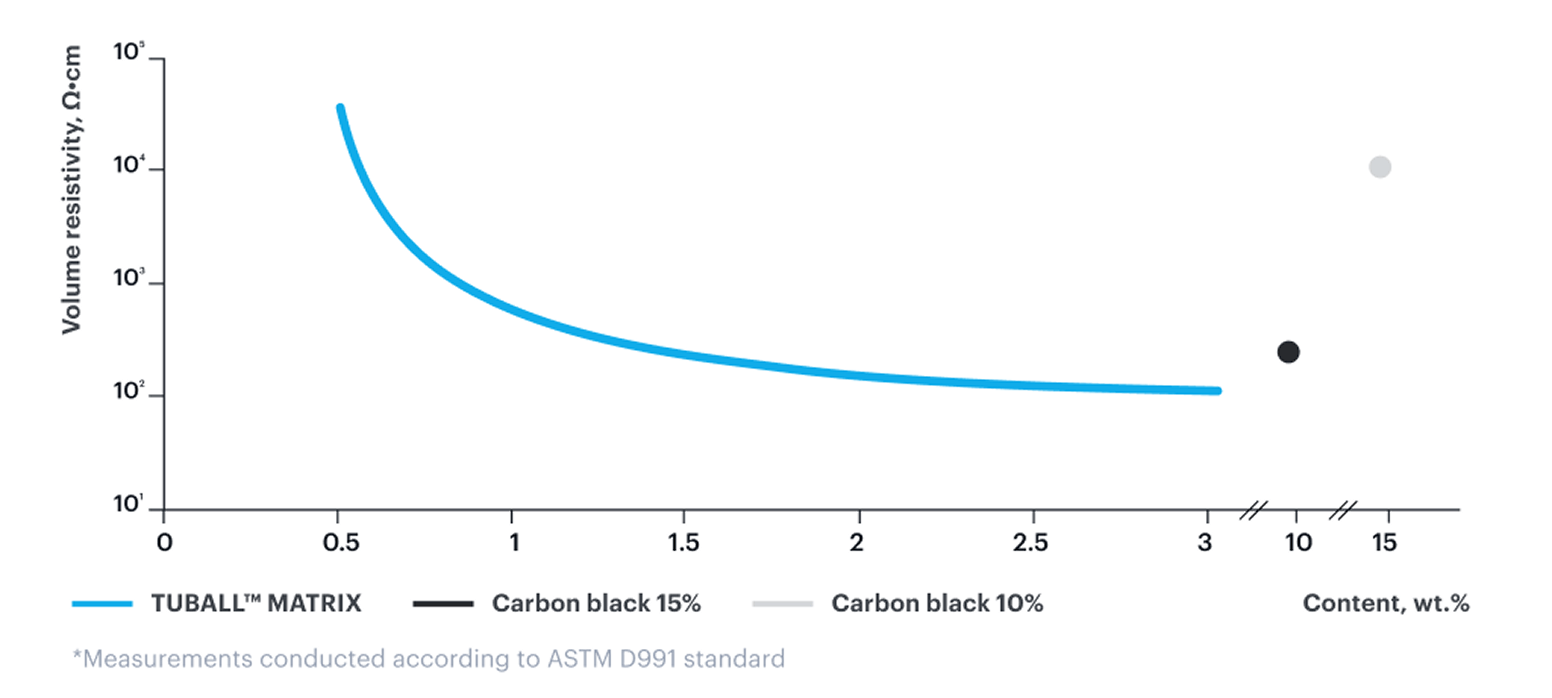

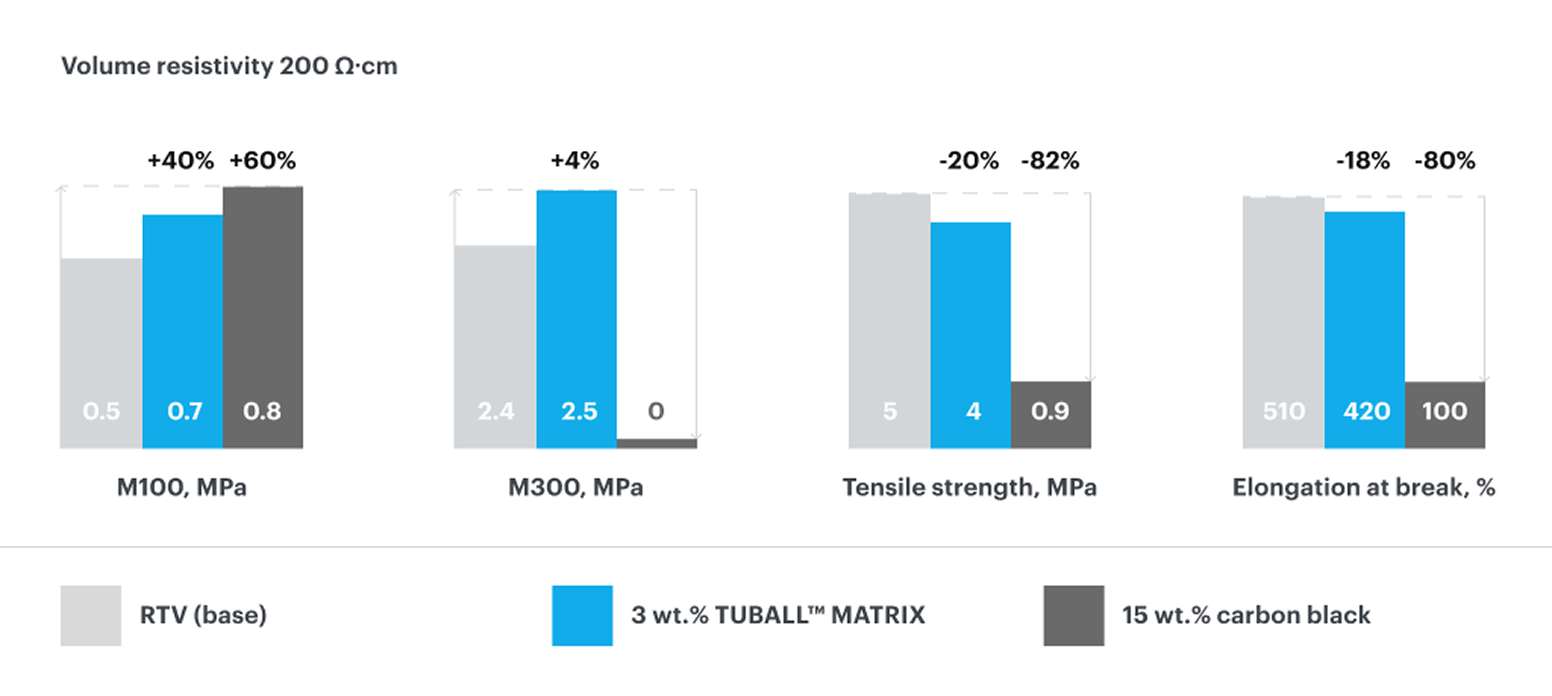
In contrast to conventionally used carbon black, graphene nanotubes are effective at ultralow dosages. This enables significantly improved mechanical properties, such as a fourfold increase in tear strength for RTV silicone rubbers, while maintaining softness, elasticity, and strength compare to conventional fillers.

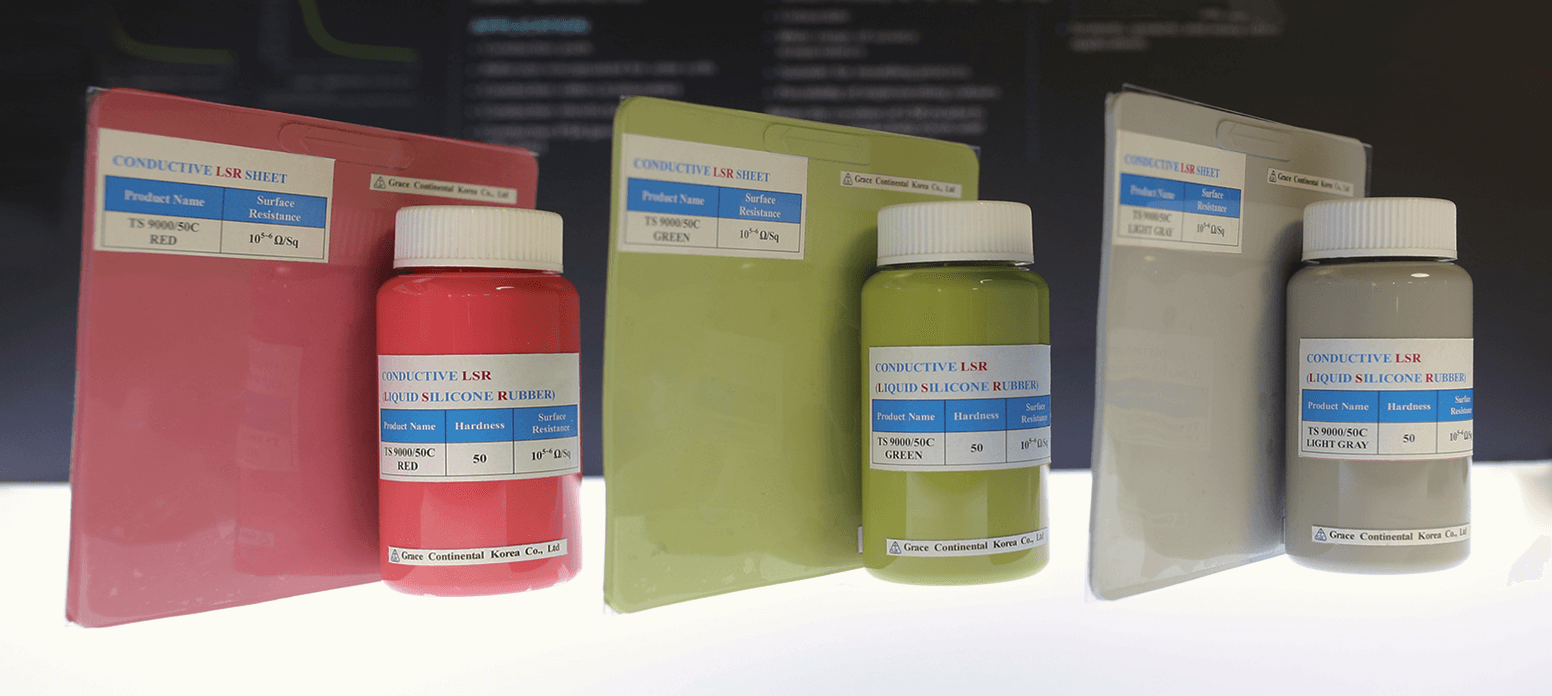
TUBALL™ nanotubes enable the retention of various colors in the final product. This is possible thanks to the ultralow dosage of nanotubes, which cannot be achieved with standard conductive additives due to the high dosages required to get the necessary electrical conductivity.
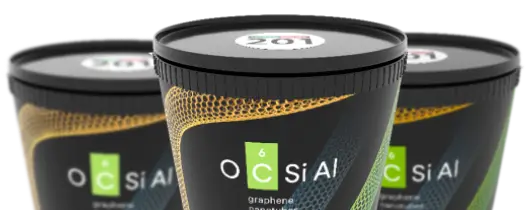




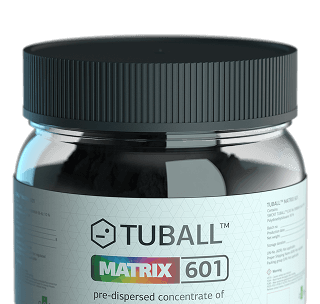
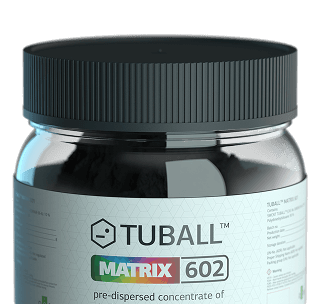
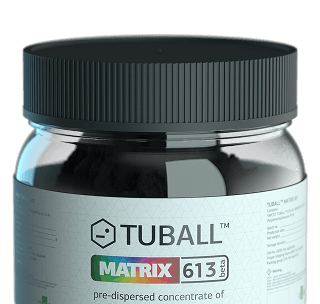
TUBALL™ MATRIX 601, 602, 613 are concentrates composed of a silicone-friendly carrier and pre-dispersed graphene nanotubes. It is specifically designed for liquid silicone rubbers (LSR) and room temperature vulcanised rubber (RTV), to enhance nanotube usability by ensuring an even dispersion of nanotubes in the host matrix while preserving low hardness. It minimizes the impact on compound elasticity, tensile properties, viscosity, and rheological characteristics, and ensures compatibility with standard mixing processes and equipment.
Contact us for product processing guidelines and additional technical documentation

TUBALL™ MATRIX 601 is a graphene nanotube-based concentrate specifically designed to provide superior electrical conductivity to silicone compounds (LSR – liquid silicone rubber, RTV – room temperature vulcanized rubber) while retaining mechanical properties and minimally impacting the host matrix. TUBALL™ MATRIX enables ultra-low dosage of conductive filler for anti-static, static dissipative and conductive applications. Produce conductive compounds without losing flexibility or compromising mechanical properties.
To buy nanotube products, please contact us. Price depends on the required volumes.
TUBALL™ MATRIX 602, a graphene nanotube-formulated super-concentrate based on crosslinking carrier for liquid silicone rubbers (LSR), room temperature vulcanised rubber (RTV) and high consistency rubbers (HCR), was specifically developed to improve nanotube usability by providing a fine dispersion of nanotubes in the host matrix while maintaining softness.
The cost of our SWCNT products depends on the quantity ordered. Please reach out to us for a personalized quote.
A concentrate specifically designed to provide superior electrical conductivity to silicone compounds (LSR, RTV).

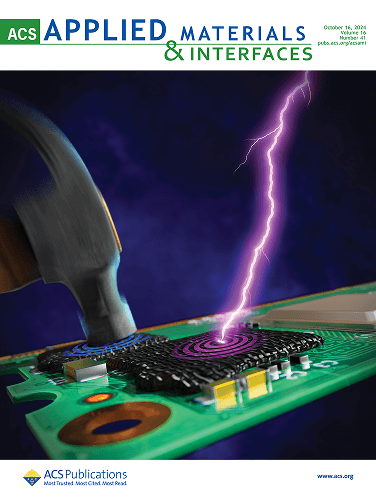
Low loadings (<1 wt %) of TUBALL™ can be sufficiently dispersed into silicone resins that can be 3D printed, and the resulting material shows a significant improvement in electrostatic dissipation through the reduction in electrical resistivity with minimal effect on its mechanical properties.