Aerospace

Aerospace

Graphene nanotubes for aerospace: reliable performance with decreased weight

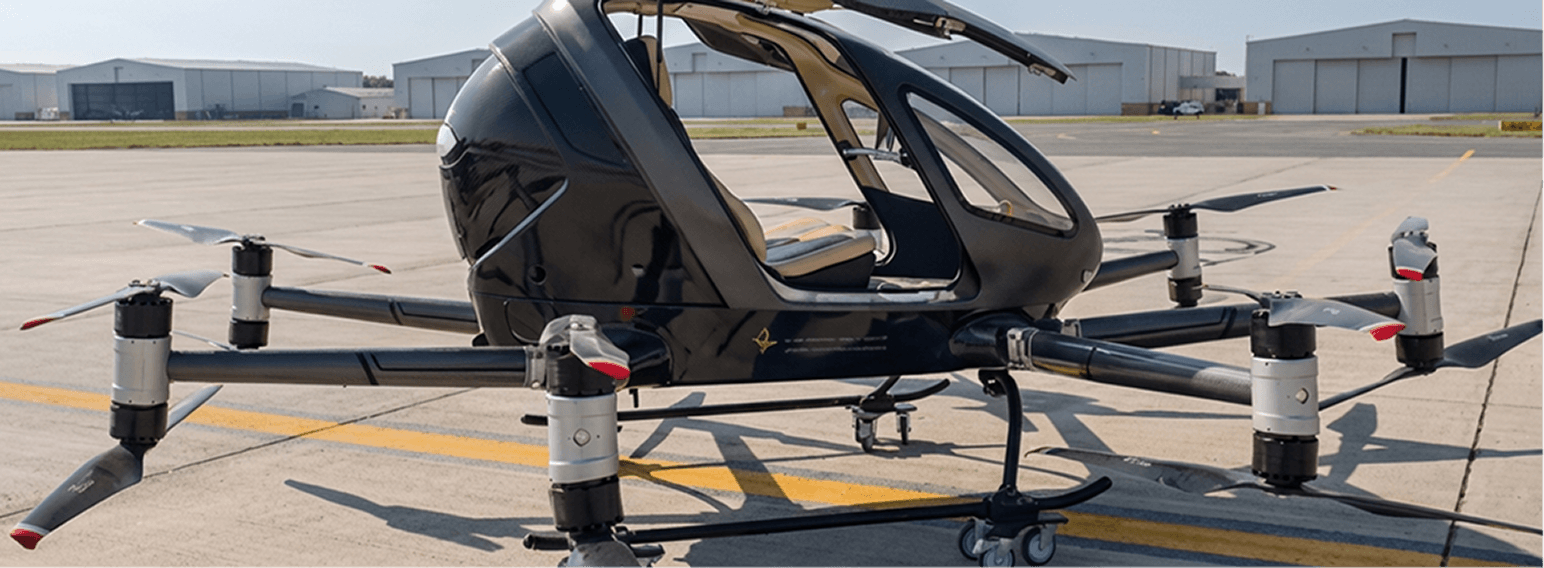
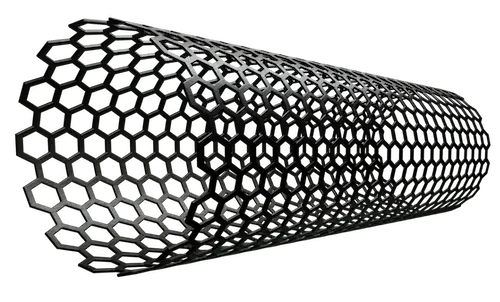
As aerospace projects grow more complex and ambitious, the demands on advanced materials continue to increase. Modern aerospace requires smart, durable, lightweight materials that ensure safety, reliability, and high performance. Graphene nanotubes meet these needs by delivering high electrical conductivity and added functionality while preserving mechanical performance at extremely low loadings. Their integration allows materials to remain lightweight while gaining durability and antistatic and protective properties. As a result, graphene nanotubes support safer, more efficient, longer-lasting aerospace systems.

Graphene nanotubes—the advanced agent for next-gen materials

In aerospace, where every gram counts and materials operate at their physical limits, graphene nanotubes unlock a new class of lightweight, high-performance solutions. At extremely low loadings, they enhance electrical conductivity while maintaining mechanical strength and durability, enabling next-generation aircraft and spacecraft designs.

Do you have questions or ideas for new applications of graphene nanotubes?

  • Batteries

    Thanks to their exceptionally high conductivity and the flexible yet strong network they form within the electrode, graphene nanotubes enable extremely efficient charge transport under high current loads. This makes them critical for ultrahigh-power, fast-discharge batteries widely used in space shuttles and drones, where large amounts of energy must be delivered instantly and reliably.

    Batteries
  • Rubber parts

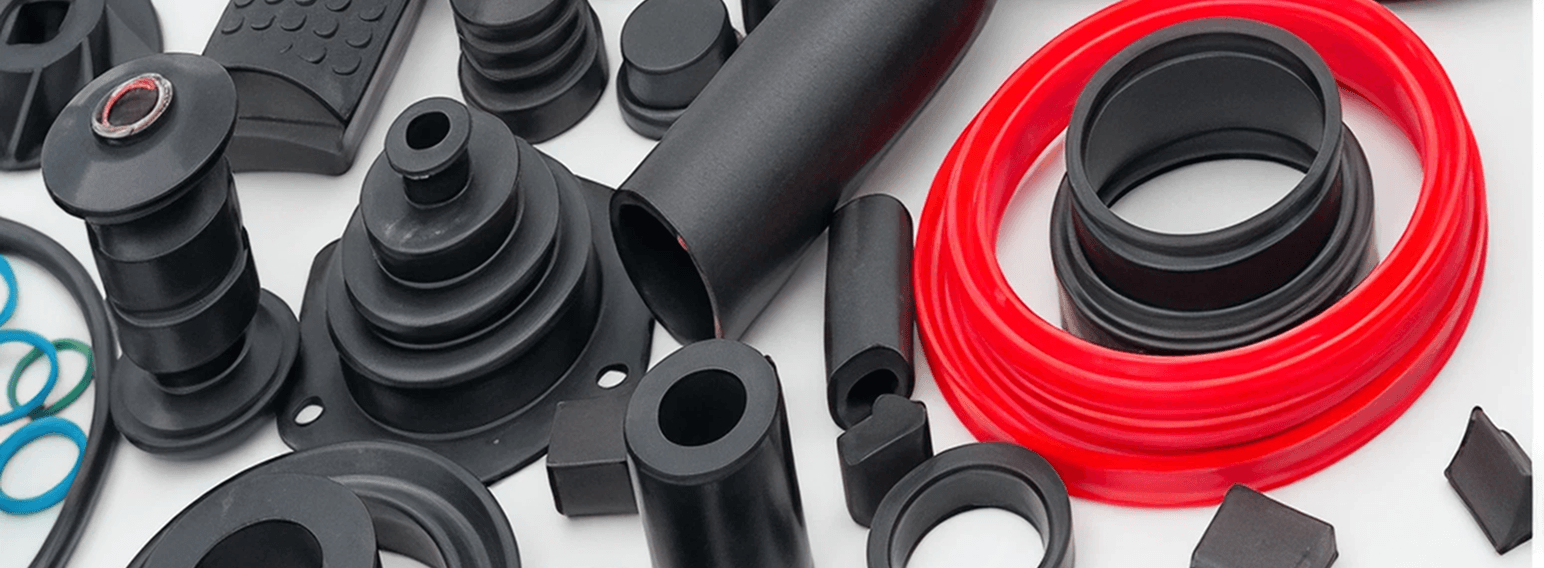
    Rubber components, including cable connectors, enhanced with graphene nanotubes safely dissipate electrostatic charge, preventing sparking near fuel systems. Nanotubes maintain stable antistatic performance and mechanical integrity even after prolonged exposure to heat, fuels, and harsh operating conditions, while remaining clean and non-contaminating with no carbon release.

    Rubber parts
  • Interior solutions

    Graphene nanotubes enhance coatings for aerospace interiors by providing durable antistatic and anti-dust performance, reducing electrostatic buildup and contamination in cabins and cockpits. This results in cleaner, safer, low-maintenance interior surfaces, making advanced synthetic leather a lightweight, high-performance alternative to traditional materials used in aircraft interiors.

    Interior solutions

Welcome more joint R&D projects in this field