
Automotive

Automotive

Graphene nanotubes for next-gen automotive: functionality and energy efficiency

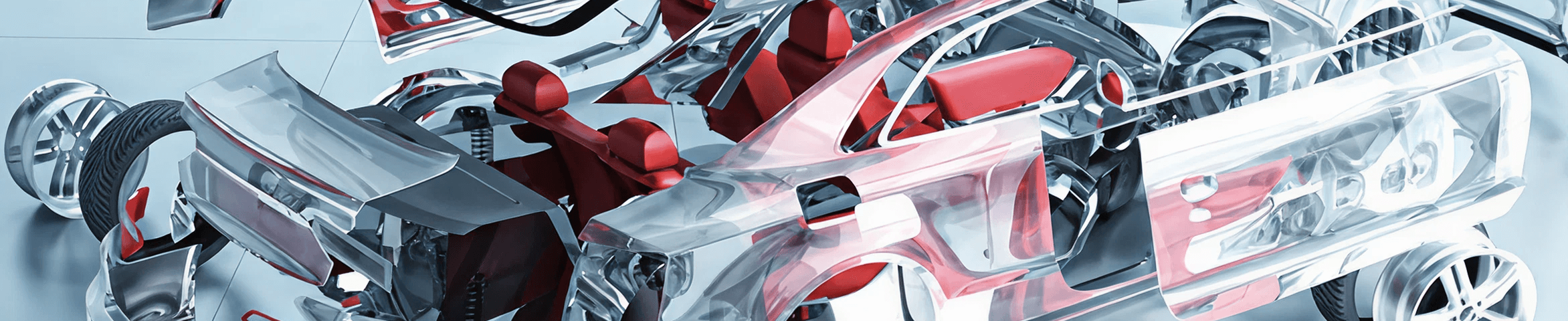
The transport of the future requires new materials that will make vehicles intelligent, functional, and energy-efficient. Revolutionary graphene nanotube-based solutions for the automotive industry meet this challenge, driving forward the sustainable transformation. Graphene nanotubes help automotive manufacturers to optimize cost-efficiency and improve the performance of various car components. The use of elastomers, thermoplastics, and thermosets reinforced with graphene nanotubes expands the limits on the development of completely new cars with lightweight bodies; safe and energy-efficient tires; smart interiors; and long-lasting, high-performance batteries for EVs.

Graphene nanotubes–ultimate additive for electrodes

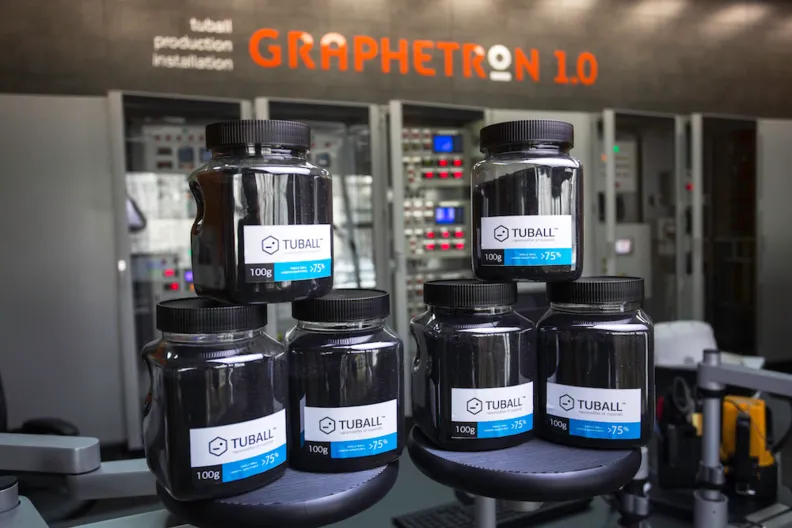
A graphene nanotube, also called a single wall carbon nanotube, can be described as a one-atom-thick graphene sheet rolled into a tube more than 5 µm in length and 1.6 nm in width. These nanotubes—nature’s longest and most flexible material for conductivity and reinforcement of electrodes, including high-performance cathodes, thick electrodes, silicon anodes, and semi-solid batteries.

Do you have questions or ideas for new applications of graphene nanotubes?

  • Auto tires

    Graphene nanotubes allow for fine-tuning formulations to achieve the required electrical dissipation in tires without compromising wet grip, energy efficiency, handling, or vehicle safety. Taber abrasion tests find no free-standing nanotubes are released from tire tread wear.

    Auto tires
  • EV lithium-ion batteries

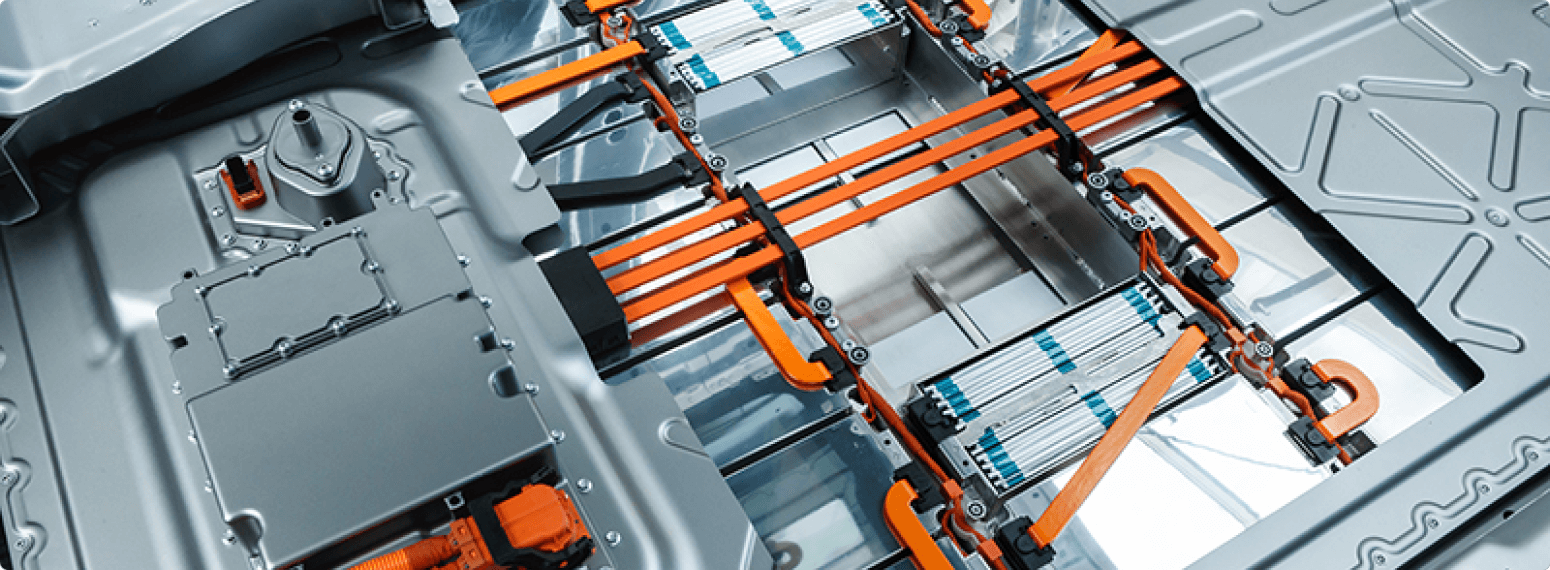
    Graphene nanotubes—nature’s longest and most flexible material for conductivity and reinforcement of electrodes—resolve the major technological challenge of improving electric vehicle battery energy density, charge rate, and service life. Nanotubes serve as enablers for all new battery technologies.

    EV lithium-ion batteries
  • Car body parts

    Graphene nanotubes inside thermoplastics enable in-line electrophoretic painting of car plastic exterior parts together with metal components. They provide the polymer matrix with homogeneous electrical conductivity while preserving product durability and strength.

    Car body parts
  • Automotive rubber parts

    Increased durability, mechanical property stability, retained elasticity, and electrical conductivity are enabled by graphene nanotubes in rubber car parts. This set of properties is crucially important for car seals, O-rings,  hoses, ignition wire cores, and cable connectors.

    Automotive rubber parts
  • Car interiors

    Nanotube-enhanced car seats, panel surfaces, and electronic screen coatings provide superior comfort, functionality, and safety, while also making cleaning easier.

    Car interiors

Welcome more joint R&D projects in this field