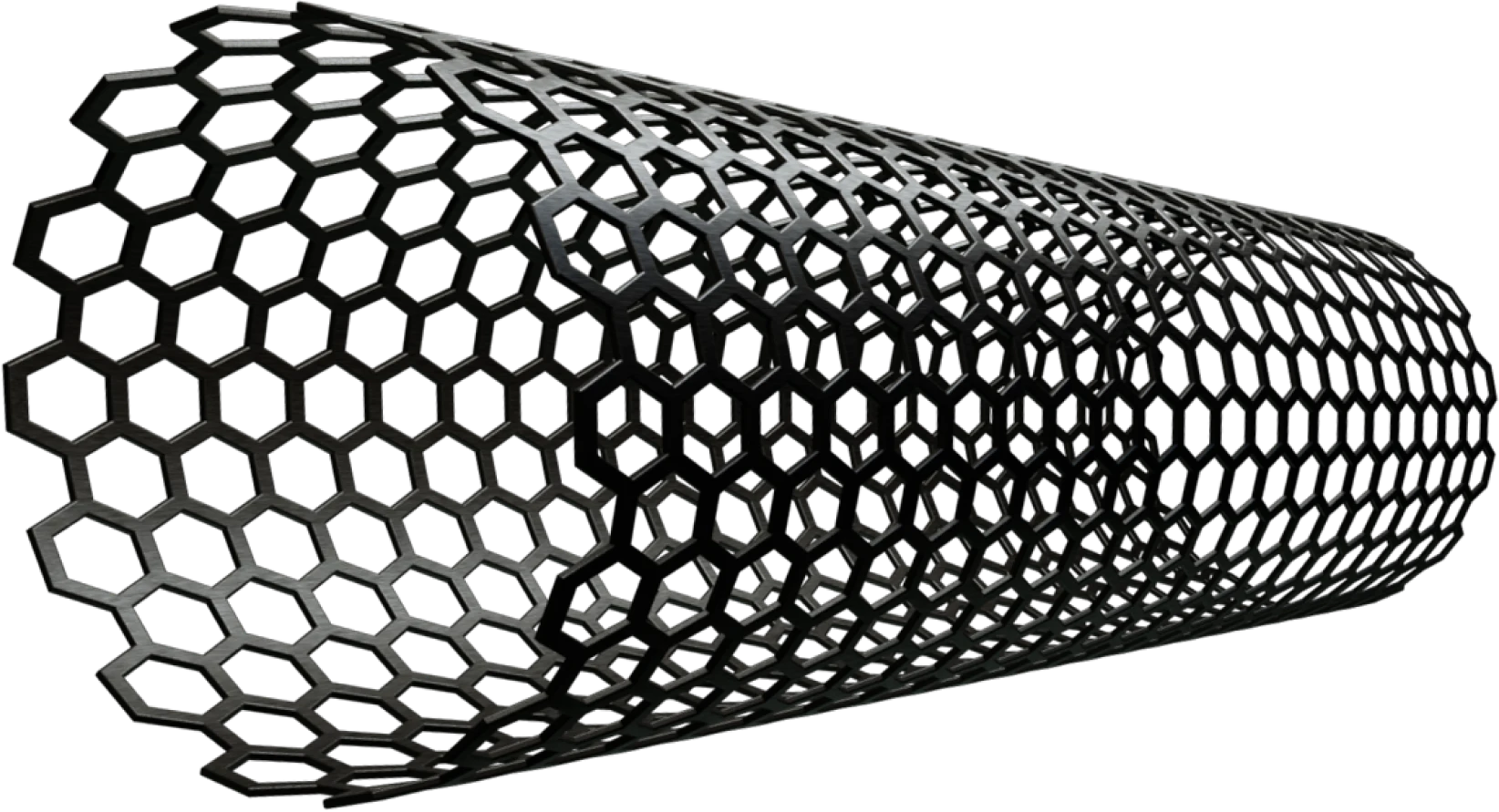
Graphene nanotubes provide silicone printing pads with stable anti-static properties while preserving their original hardness, elasticity, and mechanical stability throughout their service life. These pads prevent static-related defects such as contamination, poor ink transfer, and potential damage to sensitive substrates.
Working at ultralow dosages, nanotubes make it possible to maintain the rheology of the uncured compound, preserve a wide color palette for ESD products, and enable the use of standard processing and mixing equipment.
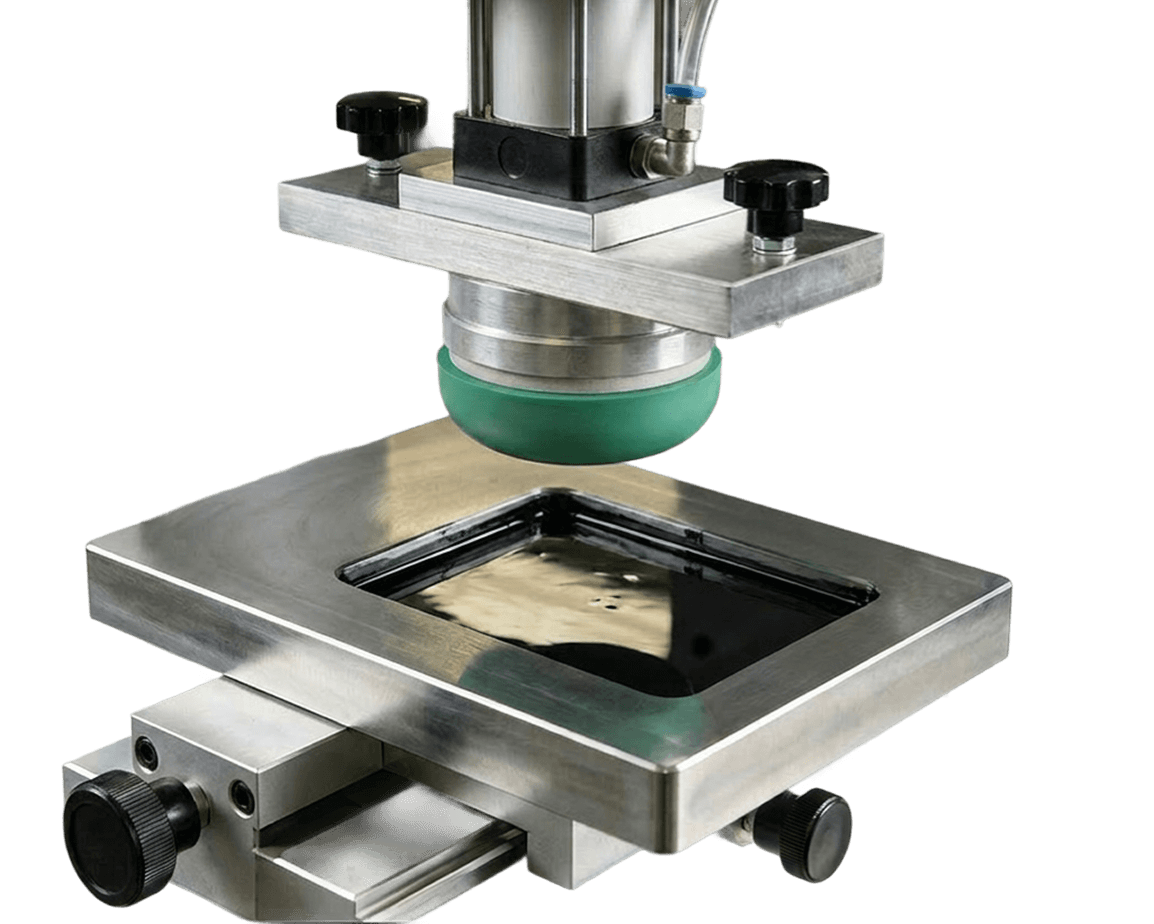





Pad printing is a process used to transfer an image onto various objects, including irregular and curved surfaces. The image is first etched onto a printing plate and filled with ink. A soft silicone pad then presses onto the plate, picks up the inked image, and transfers it onto the substrate. Because the pad must conform to different shapes and textures, silicone printing pads need to be highly flexible and elastic to ensure precise ink pickup and accurate transfer. They must also be durable to withstand repeated compression and long production cycles without losing shape or performance. Anti-static properties are important as well, to reduce dust attraction and help maintain consistent print quality, especially when printing on plastic or other static-prone materials.

TUBALL™ graphene nanotubes provide an excellent combination of properties for polyurethane. In contrast to carbon black, they enable conductivity in polyurethane while preserving hardness and tensile strength. The advantage of nanotubes over ammonium salts is in enabling permanent electrical conductivity in thermoset compounds.
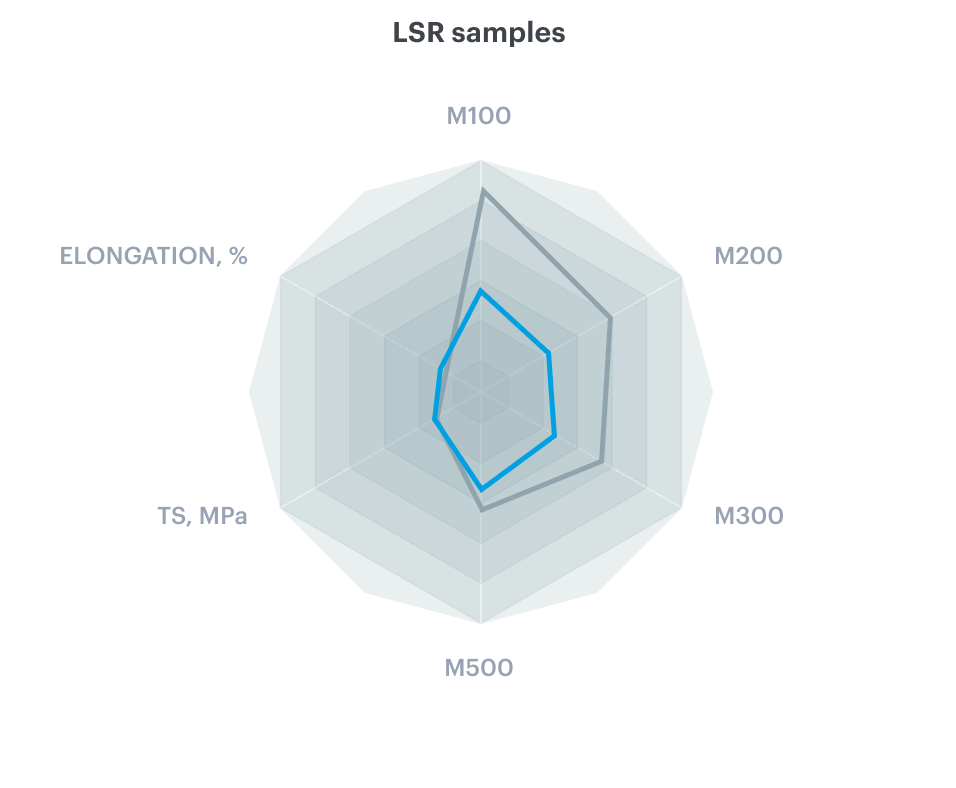
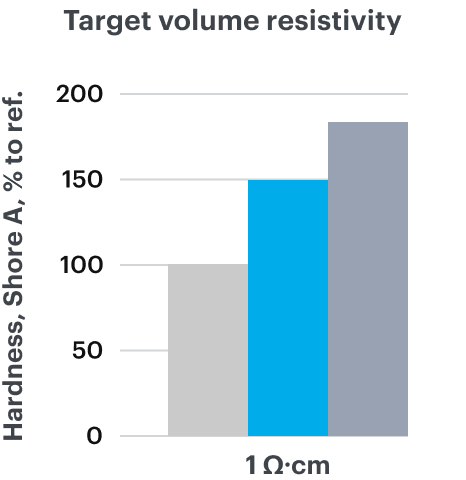

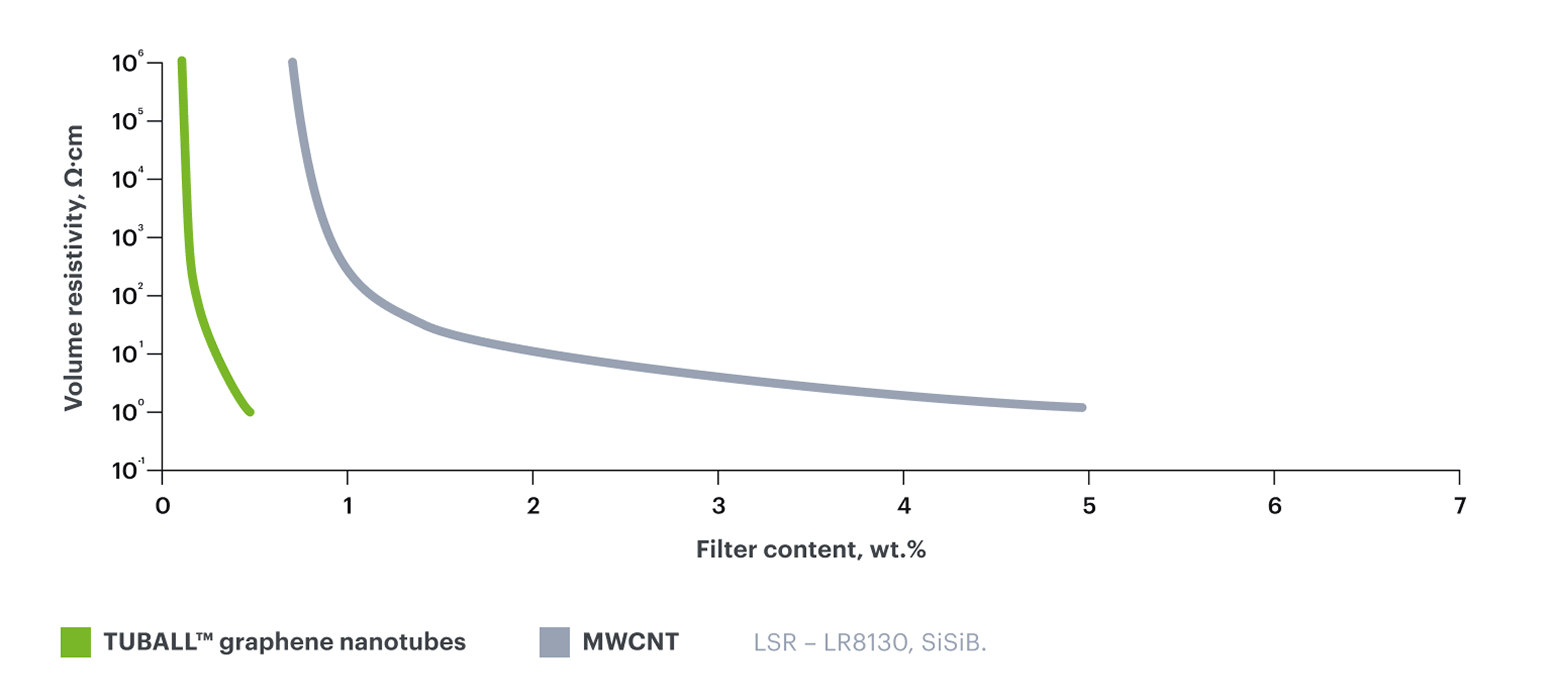
0.05–0.5 wt% TUBALL™ graphene nanotubes—up to 10× lower than required with multi-wall carbon nanotubes (MWCNTs)—provides silicone compounds with stable electrical resistance that remains unchanged throughout their service life and is independent of humidity.

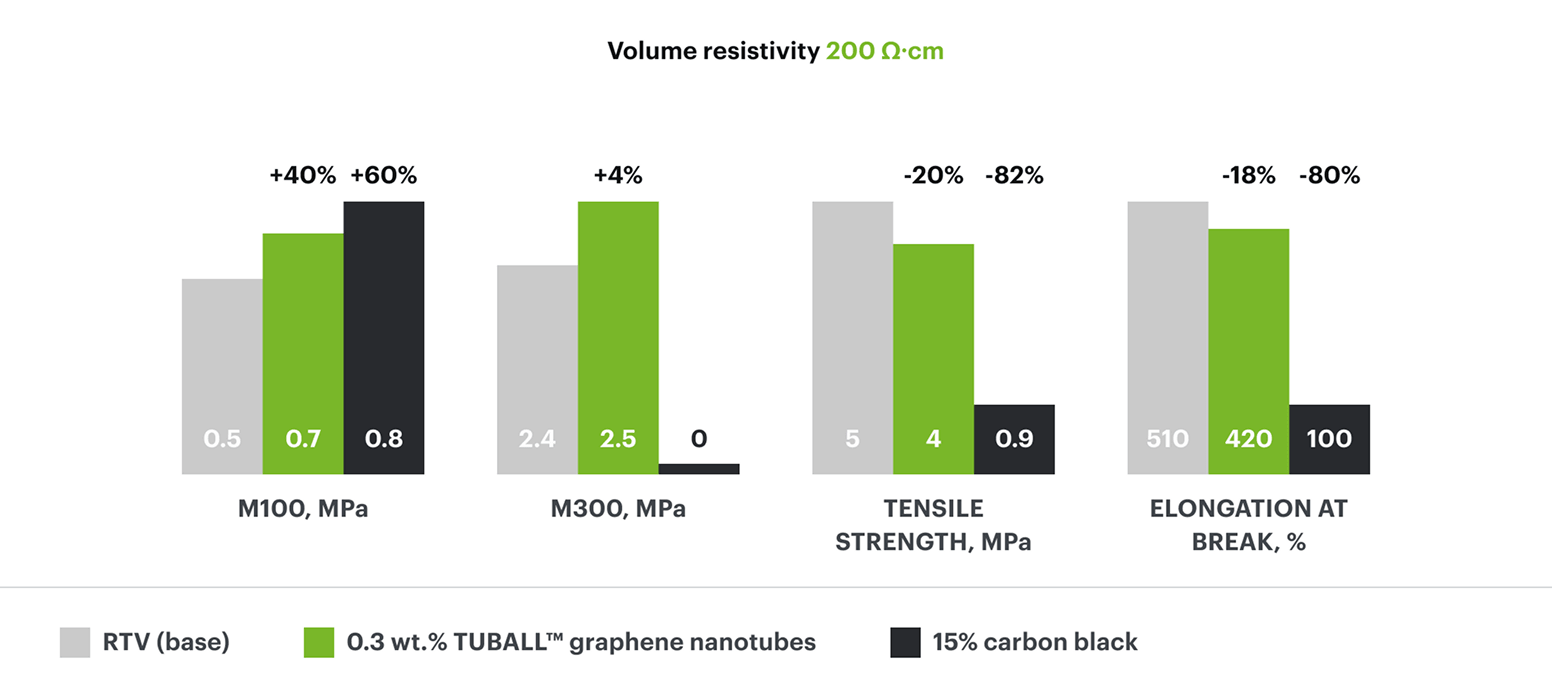
The high conductivity, strength, and flexibility of TUBALL™ graphene nanotubes help manufacturers to overcome the limitations of conventional anti-static agents. Compared to carbon black, graphene nanotubes demonstrate much better mechanical properties—for example, 4-times greater elongation at break of conductive room temperature vulcanized (RTV) silicone rubber.
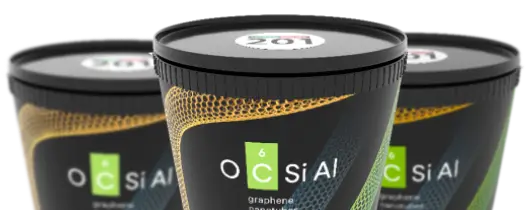





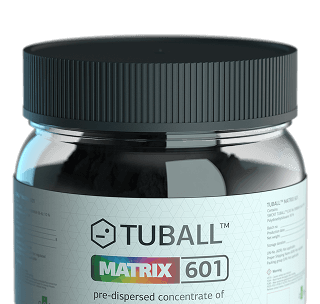
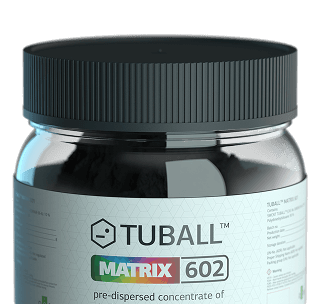
TUBALL™ MATRIX 601 and TUBALL™ MATRIX 602 are concentrates based on different polymer carriers and pre-dispersed TUBALL™ graphene nanotubes. They are specifically designed for producing conductive RTV silicone rubber without compromising its flexibility or other key mechanical properties.
Contact us for product processing guidelines and additional technical documentation
TUBALL™ MATRIX 601 is a graphene nanotube-based concentrate specifically designed to provide superior electrical conductivity to silicone compounds (LSR – liquid silicone rubber, RTV – room temperature vulcanized rubber) while retaining mechanical properties and minimally impacting the host matrix. TUBALL™ MATRIX enables ultra-low dosage of conductive filler for anti-static, static dissipative and conductive applications. Produce conductive compounds without losing flexibility or compromising mechanical properties.
To buy nanotube products, please contact us. Price depends on the required volumes.
TUBALL™ MATRIX 602, a graphene nanotube-formulated super-concentrate based on crosslinking carrier for liquid silicone rubbers (LSR), room temperature vulcanised rubber (RTV) and high consistency rubbers (HCR), was specifically developed to improve nanotube usability by providing a fine dispersion of nanotubes in the host matrix while maintaining softness.
The cost of our SWCNT products depends on the quantity ordered. Please reach out to us for a personalized quote.