In the consumer electronics and semiconductor industries, protective films serve a dual role: they protect smartphones, tablets, and laptops from scratches, fingerprints, and dust, while also providing durable ESD protection for semiconductor devices and other static-sensitive components during manufacturing, handling, transportation, and storage. These films can also be used for electronics and wafer handling for ESD-safe contact surfaces in positioning and sensing applications.
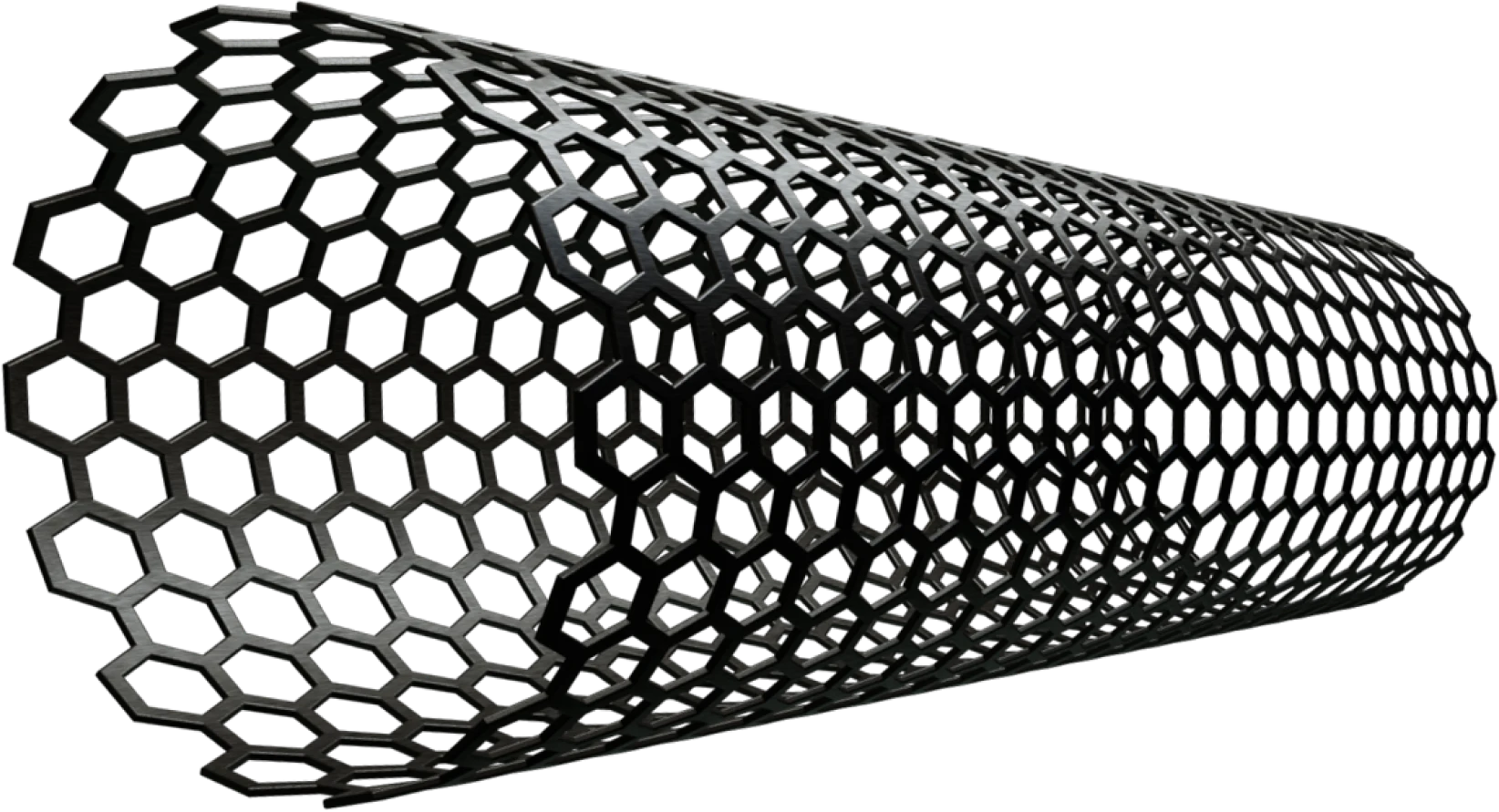
By incorporating graphene nanotubes, protective films achieve stable, permanent piezoresistive response, combining strong mechanical performance, high functionality, and minimum impact to film and its production process. Nanotubes enable transparent, anti-static coatings for 3C products and wafer storage without requiring changes to standard processing methods or equipment.
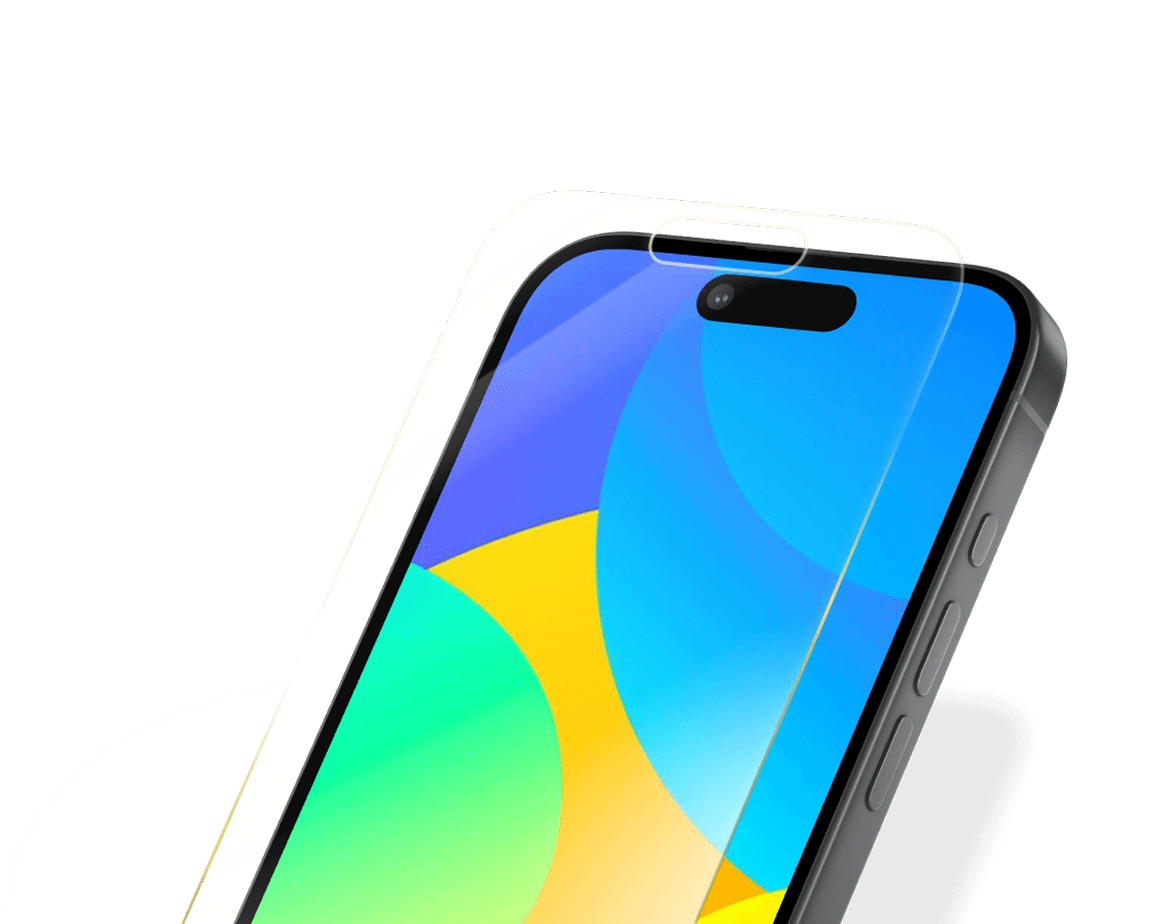






Pressure-sensitive adhesive film used in the computer, communications, semiconductors, and consumer electronics industries adheres to surfaces with light pressure, providing excellent permanent piezoresistive response and protection against scratches, dust, and fingerprints. Their applications are diverse and essential for protecting wafers as engineered substrates that solve critical challenges in wafer thinning, dicing, 3D integration, and protection, directly impacting manufacturing yield and device reliability.
The anti-static properties of this film are crucial for preventing the build-up of static electricity on electronic components and devices, protecting them from ESD-caused damage and dust collection. For this reason, the PSA layer should be electrically conductive.
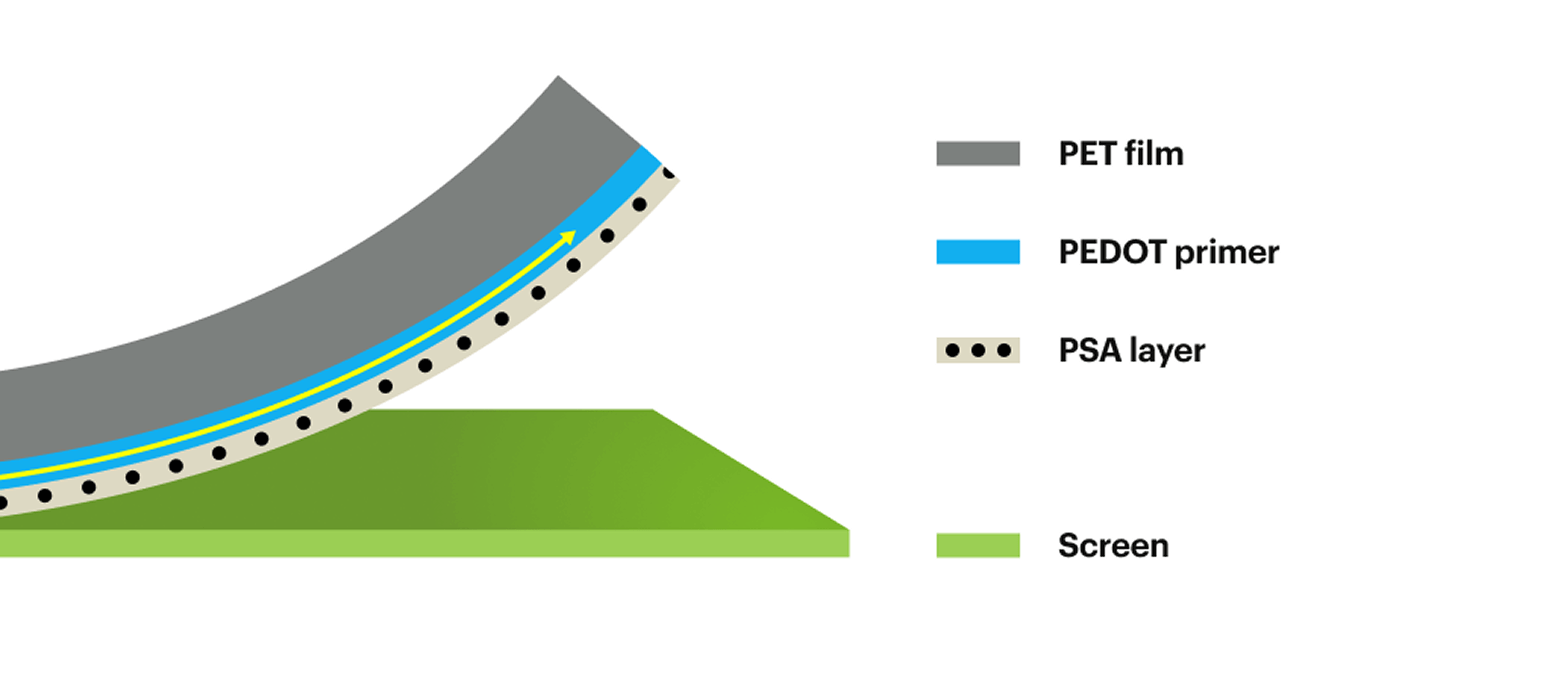

With an extremely high length-to-diameter ratio and a large surface area, coupled with excellent conductive and thermal properties and high strength, the addition of just 0.04 wt.% graphene nanotubes inside of the films on PET or PTFE substrates guarantees stable, permanent electrical resistance of 10⁶ ohms within the pressure-sensitive adhesive layer.
Such an ultralow dosage has no influence on the key mechanical parameters of the material, making nanotubes a superior conductive agent for 3C protective films, semiconductor devices, electronic components, and other static-sensitive products. In comparison, traditional PSA on conventional polymer primer can only achieve a surface resistivity of 10¹⁰ ohms/sq, and at lower resistivity levels, it tends to become unstable over time.
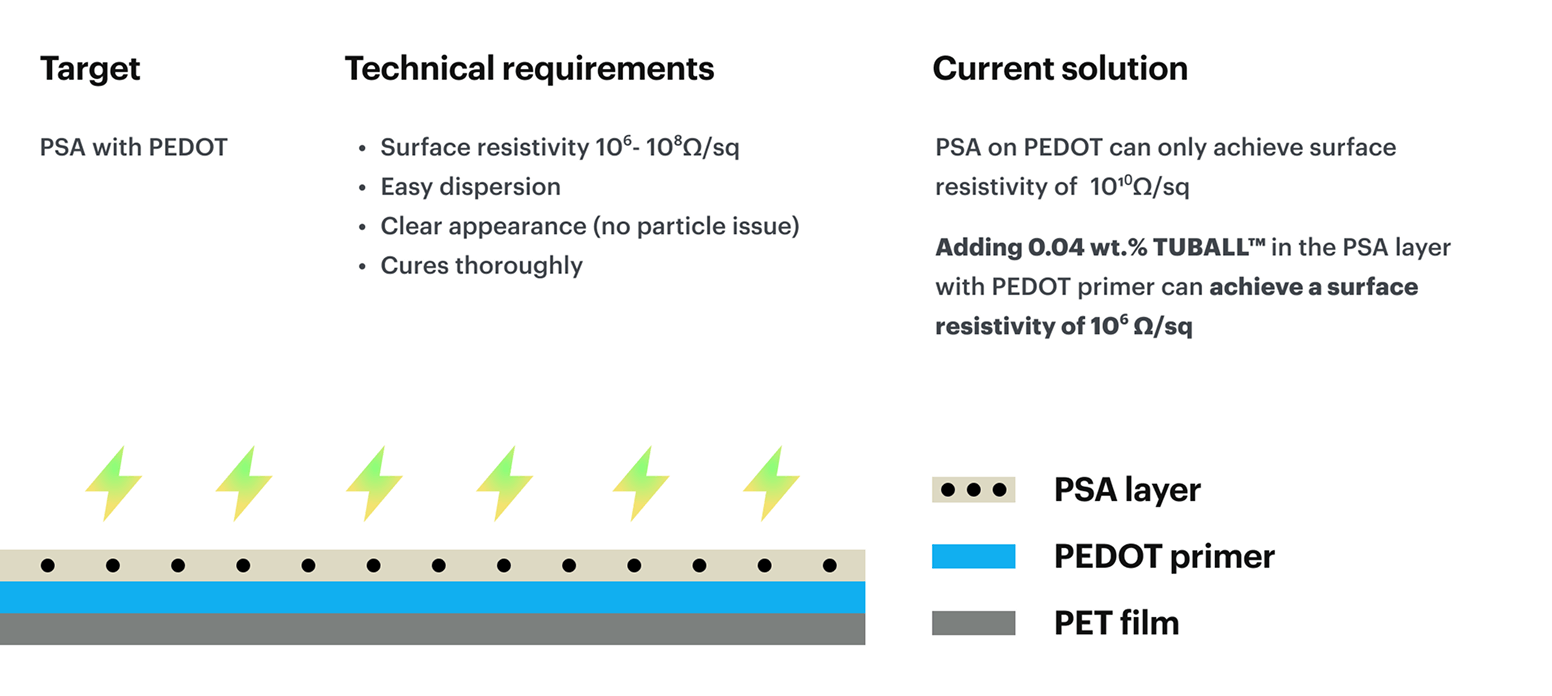

Graphene nanotubes create a permanent 3D conductive network within the material, which remains stable throughout its service life. Their ultra-long morphology ensures no degradation of anti-static properties in film coatings.
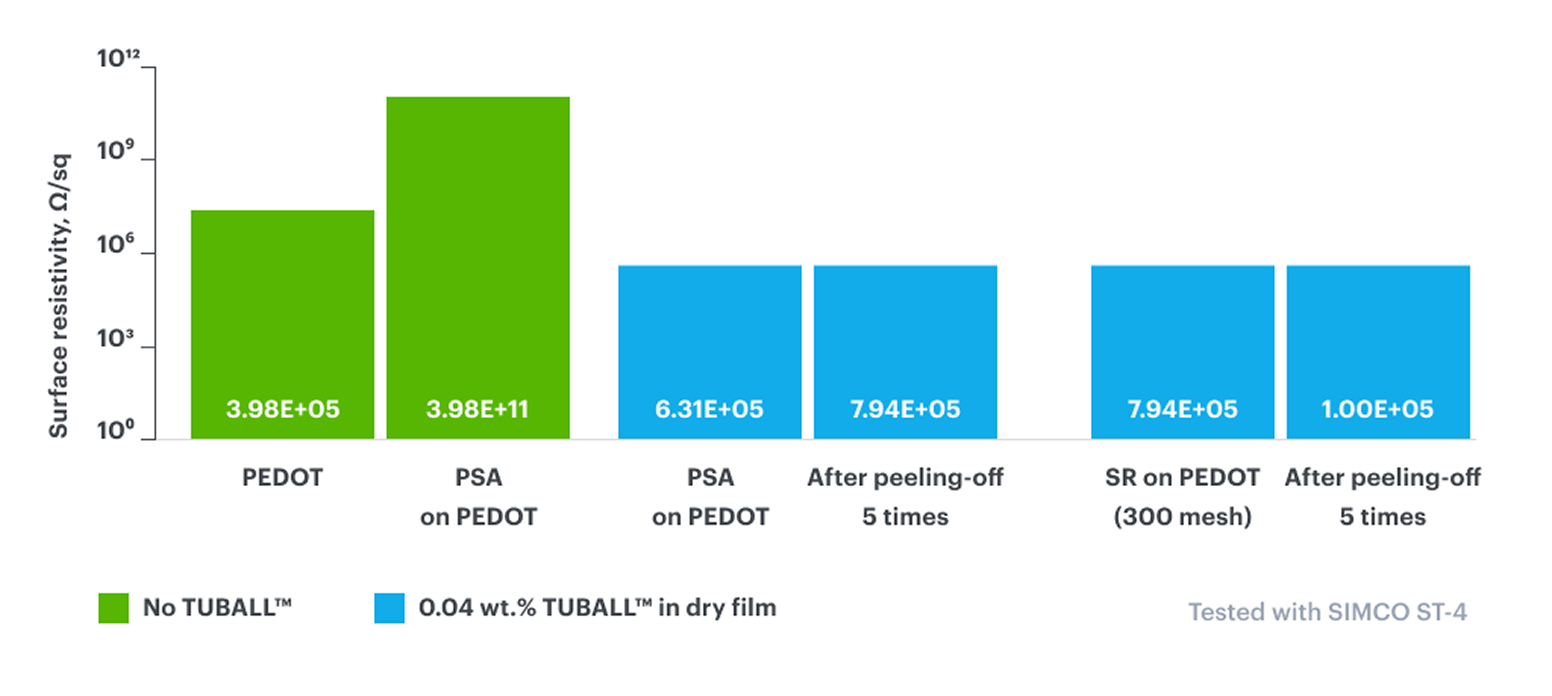

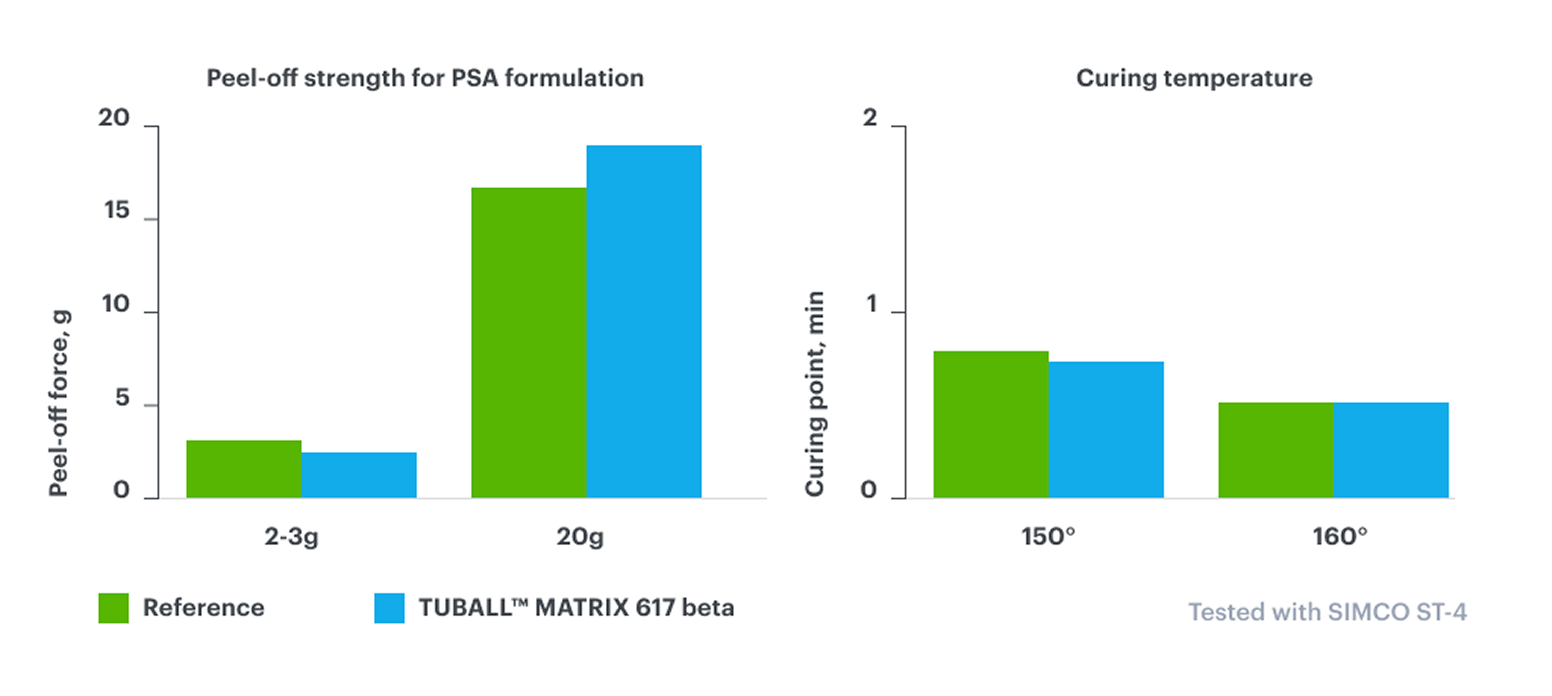
Using graphene nanotubes in combination with PEDOT primer makes it possible to get even lower surface resistivity and to maintain all key technical parameters, including peel-off strength, with the original curing system, up to 80% transparency, less than 6% haze value, and good wet-out performance.

The electrical resistivity provided by TUBALL™ graphene nanotubes enables the anti-dust effect and touch-screen performance of the film, ensuring the required functionality and simplifying device maintenance.
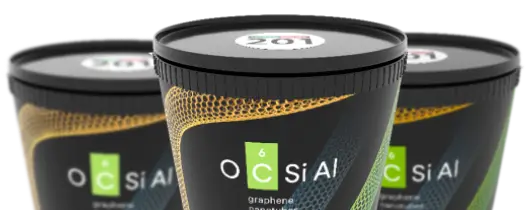





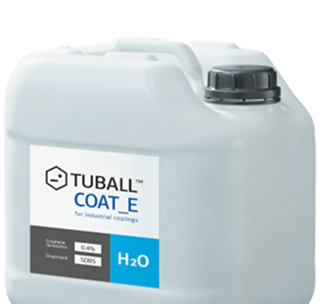
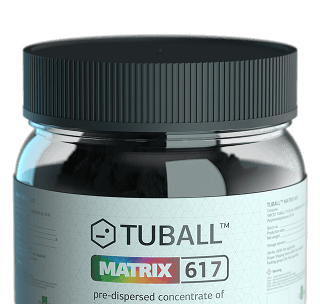
TUBALL™ based concentrate and suspensions are specifically designed for silicone PSA systems and water-based systems to provide compatibility with standard mixing process and equipment. The concentrates are easy to handle even in demanding applications, notably in low solid-content systems. It can be added during the slurry compounding stage and doesn’t affect the manufacturing process.
Contact us for product processing guidelines and additional technical documentation

An industrial modifier based on TUBALL™ nanotubes and reactive polymer, specifically designed for silicone PSA system.