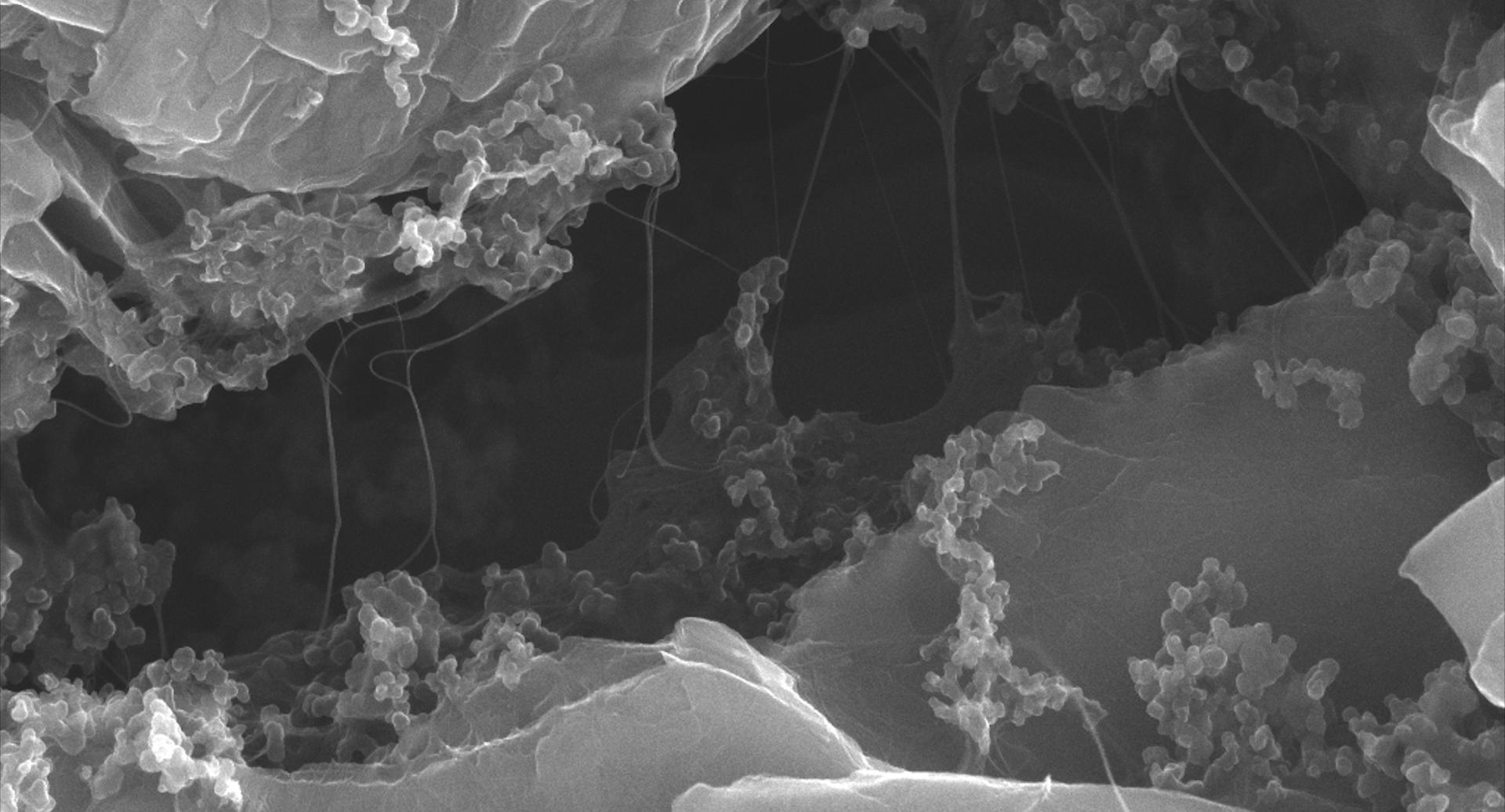
[#Webinar] ⚡ Just one week to go! Haven’t registered yet? Now’s the time! Discover how to take your PVC products to the next level with graphene nanotubes—an industrially proven solution that’s easy to integrate into existing production processes! 📅 October 27 ⏰ 3.00 pm CET 🎟️ Register for free: https://lnkd.in/d2dfBkfA #polyvinylchloride #PVC #vinyl Cristina Planchonfabio tombolato
[R&D] Same battery recycling process. Two types of nanotubes. Strikingly different results. Researchers from @[University of Natural Resources and Life Sciences, Vienna (BOKU)](urn:li:organization:15090660), Stat Peel, and OCSiAl measured airborne nanotube concentrations during laboratory-scale battery recycling. TUBALL™ SWCNTs: 0.097–0.875 µg/m³—below the recommended exposure limit in both tests. MWCNTs: 1.21–1.37 µg/m³—above the limit in both tests. The difference matters as battery recycling expands and the industry focuses on safer, more sustainable processes.
Henry Ford’s wife, Clara, drove a Detroit Electric back in 1914. 🔋 More than a century later, we’re here at The Battery Show North America 2026 in Detroit, working on what comes next for EV batteries. The materials have changed considerably, and even a small amount of an advanced additive can make a big difference. We’re showcasing how TUBALL™ single wall carbon nanotubes help battery manufacturers improve conductivity, reduce swelling, and enhance electrode flexibility and processing.